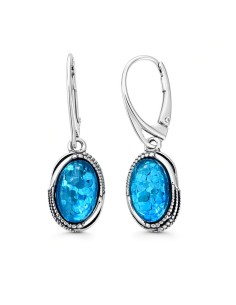
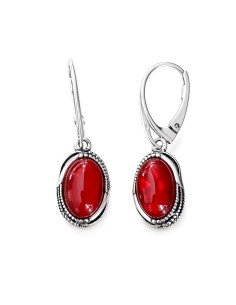
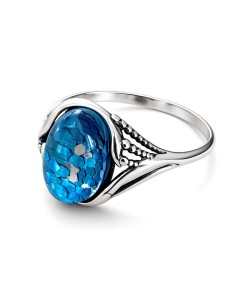
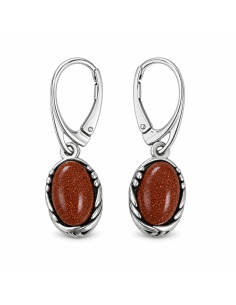
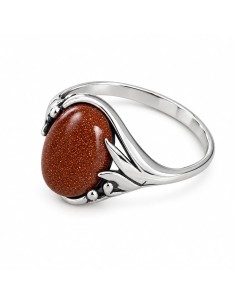
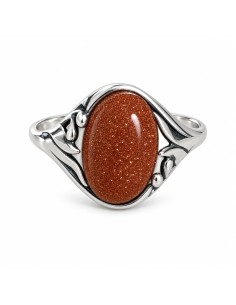
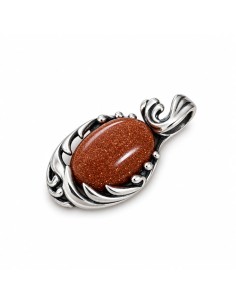
Red gemstones: key takeaways
| Topic | What to know about red gemstones |
|---|
| Symbolism | Red stones are linked with different emotions: ruby is traditionally associated with love and strength, garnet with courage and protection, carnelian with energy and creativity. |
| Color psychology | Red is commonly associated with confidence, and others tend to read it as a sign of elegance. |
| Myths and facts | Not every red stone carries the same meaning, and symbolism varies by culture and region. |
| Style trends | Red stones, including spinel and reconstructed coral, work as a key accent in minimalist looks for mature women. |
| Care | Regular cleaning and proper storage keep red stones beautiful and durable for longer. |
The symbolism of red gemstones — coral, ruby, garnet and red cubic zirconia
Red has accompanied humanity for thousands of years as a symbol of love, passion and vitality, and red gemstones have carried that meaning in jewelry across cultures. In ancient Egypt, red stones were worn by pharaohs as a sign of divine power. Asian cultures saw red as the color of happiness and prosperity and often used red stones in wedding jewelry. In medieval Europe, knights wore red stones as talismans of courage before battle.
Every culture gave red stones its own meanings, creating a rich symbolism that is both universal and regional. In Christian tradition, the ruby symbolized the love of Christ, while in Hinduism red stones were associated with the root chakra, linked to survival and strength. Many Native American traditions held that red stones guarded against evil spirits and strengthened a warrior’s spirit.
Today’s jewelry with red stones combines this rich tradition with a modern, minimalist style. Silver and gold-plated jewelry set with red stones builds a bridge between history and the present. Women over 35 often value these symbols not only as decoration but as a way to express their own strength, love and courage.
Key aspects of red stone symbolism:
- Universality: red, the color of life and energy, appears in every culture — including jewelry, where red gemstones have always held a special place.
- Protection: red stones were traditionally believed to ward off evil
- Strength: they were believed to boost spiritual and physical strength
- Status: in many societies, red stones were reserved for the elite
Popular red gemstones and their meanings
Different red stones carry different symbolic meanings, so you can choose the jewelry that resonates most with your values. Ruby, garnet and carnelian are the three most popular red stones, and each is associated with its own qualities.
Ruby is considered the king of red stones and is traditionally a symbol of passionate love and inner strength. It is one of the hardest gemstones (9 on the Mohs scale), which makes it a durable choice for everyday jewelry. Its deep, intense red is associated with royalty and luxury. Natural ruby cabochon earrings are an elegant way to bring this symbolism into your look.
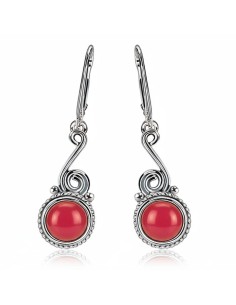
Garnet is the stone of courage, protection and determination, and it is more affordable than ruby. It comes in many shades of red, from deep burgundy to lighter cherry, including fiery, ruby-like tones. In the Middle Ages, crusaders are said to have worn it as a protective talisman, and garnet is still traditionally said to strengthen a sense of security and give courage in difficult moments. Sterling silver earrings with agate show how beautifully a stone can be set in elegant silver.
Carnelian has a warmer, orange-red tone and is associated with vitality and creativity. In crystal lore it is the stone of artists and entrepreneurs, said to encourage action and self-confidence. The ancient Egyptians believed carnelian protected the soul in the afterlife. Its warm color pairs perfectly with gold and gold-plated settings, showing the range of shades red gemstones can offer.
| Stone | Symbolism | Hardness (Mohs) | Cost | Best for |
|---|
| Ruby | Love and strength | 9 | High | Special-occasion jewelry |
| Garnet | Courage and protection | 6.5–7.5 | Moderate | Everyday wear |
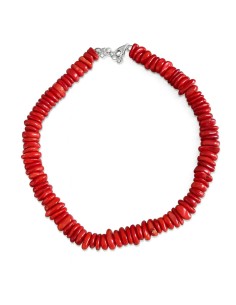
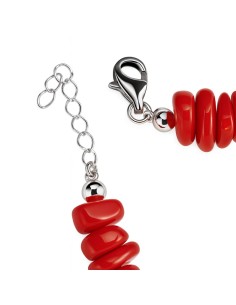
| Carnelian | Energy and creativity | 6.5–7 | Low | Casual looks, e.g., paired with a reconstructed coral bracelet |
How to tell these stones apart:
- Ruby: the purest red, with purplish nuances
- Garnet: darker, often with a brownish or burgundy tint — one of the most widely available red gems
- Carnelian: warm, with orange tones and a softer, more matte look, yet still valued as a semi-precious stone
Pro tip: When choosing a sterling silver ruby cabochon ring, pay attention to how the stone is cut, as this can significantly affect its glow. A cabochon (a smooth, domed cut) brings out the depth of color and gives jewelry a timeless character that suits a mature, elegant style.
How the color red affects emotions and perception
The color red has a strong psychological pull. Color psychology commonly links red with energy, excitement and confidence, which is why it plays such a powerful role in jewelry. Many women find that wearing red stones makes them feel more elegant and self-assured.
Red works on two levels: internal (how we feel) and external (how others see us). Internally, red is associated with drive, courage and positive energy, and red stones can serve as a daily reminder of your own strength and worth. Externally, red signals confidence, draws attention and commands respect.
Emotional qualities most often associated with red:
- Confidence: red is linked with self-assurance
- Energy: it is associated with action and breaking out of passivity
- Attraction: it catches the eye and evokes positive associations
- Determination: it is traditionally seen as the color of drive — a feeling many people connect with wearing red gems
Many women over 35 especially value jewelry with red stones as a way of expressing inner strength. At this stage of life, many look for ways to highlight their elegance without being loud. A subtle red accent — a ring or a pair of earrings — strikes the perfect balance between femininity and power.
Pro tip: If you are new to red stones, start with one small piece, such as a delicate ring or pendant. It lets you get used to wearing red before you go for a bolder set, perhaps one with a fiery ruby.
Common misconceptions about red gemstones
Many myths have grown up around red stones, and they can make it harder to choose jewelry wisely. Let’s clear up the most common ones.
Myth one: all red stones mean the same thing. In reality, each red stone has its own symbolism. Ruby stands for romantic love, garnet for courage and protection, and carnelian for vitality. Your choice of stone can reflect the specific emotion you want to express.
Myth two: red gemstones only suit evening looks. This misconception limits the ways you can wear beautiful jewelry, including precious red gemstones. Red stones subtly set in silver go perfectly with everyday, minimalist outfits. A small pair of garnet earrings beautifully complements a business suit or a casual weekend outfit.
Myth three: red stones are only for young women. Not at all. Mature women, with their life experience, are often the ones who appreciate the depth of red stone symbolism best — whether it’s ruby or red cubic zirconia. After 35, wearing red becomes a conscious choice rather than a passing trend.
Key cultural differences in symbolism:
- In Western culture, ruby symbolizes romantic love and passion — a look that red cubic zirconia, a popular alternative, also captures.
- In Asia, red stones stand for happiness and prosperity
- In Native American traditions, red is the color of protection and spiritual strength
- In European tradition, garnet signifies loyalty and devotion
Myth four: synthetic red stones are worthless. Although natural stones have greater collector value, high-quality synthetic rubies and other lab-created red stones can be beautiful and durable — and a great choice for jewelry lovers. What matters is that the seller is transparent about the stone’s origin.