Blue-Green Gemstones in Jewelry: Aquamarine, Turquoise and More

The allure of blue-green gemstones

For centuries, the blue-green color has fascinated people because it brings to mind the best things in life: harmony, calm and closeness to nature. In jewelry, this shade is especially sought after, because blue-green gemstones combine the cool elegance of blue with the fresh energy of green. A piece set with a stone like this is more than an ornament — it’s a small piece of nature you can carry with you every day.

Every blue-green stone tells a different story. Aquamarine recalls the clear water of tropical seas, while turquoise, often veined with darker matrix, carries the spirit of ancient civilizations. At Polcarat Design we draw on this natural beauty to create pieces that express your personality and add a glow to any outfit.

Treasures from Polish soil — blue stones with a hint of green

Many colorful gems travel to us from distant corners of the world, but Poland has a few gemological secrets of its own. Its geology favors beryl and, with it, beryl’s beautiful blue-green variety — aquamarine. The best-known finds come from the mountains of southwestern Poland, around the Giant Mountains and the Izera Mountains.

When you choose a blue-green stone, you choose more than a color — you also choose the feelings and associations it evokes, from calm and courage to creativity and a sense of renewal.

Jewelry with blue-green stones is remarkably versatile. It looks stunning with silver, which brings out its cool tones, but it works just as well with gold, which adds warmth. That’s why these gems are so loved:

  • Symbolism — they unite the calm of blue with the harmony of green.
  • Versatility — they suit many complexions and styles, from everyday looks to evening wear.
  • Individuality — every stone has its own shade and inner pattern.

This variety means that everyone can find a blue-green gemstone that suits them in the Polcarat Design collection.

The most popular blue-green gemstones for bracelets, rings and necklaces

The jewelry world is full of gems that can hypnotize with their sparkle, but blue-green gemstones have something truly special. Their color unites the calm of the ocean with the wild energy of nature. Let’s take a look at the most loved stones in this shade, found in jewelry collections at Polcarat Design and around the world.

Each of these stones has its own “personality,” and it shows in the design of every piece. Together, blue-green gems bring together the symbolism of the sea, of nature and of deep emotion.

Diagram of a blue-green gemstone linked by arrows to wave, leaf and heart icons

Choosing a stone like this is about more than looks. It’s a nod to the symbolism of harmony and feeling that runs deep in all of us.

Aquamarine — the gem of sea stories

When we think of this color palette, aquamarine is often the first stone that comes to mind. Its name comes straight from Latin and means “seawater,” which describes its color perfectly. Its subtle, crystal-clear shade makes it extremely elegant and easy to wear with everything.

Its color recalls the sea and can range from pale blue to a distinct blue-green. Aquamarine, a variety of beryl, was already known in antiquity and soon became a talisman believed to protect sailors. Set in sterling silver, it shows off its remarkable brilliance — it’s a gemstone that is hard to walk past.

Turquoise — a stone with soul

Turquoise has a completely different character from transparent gems such as aquamarine or topaz. It is opaque, often with a soft, matte surface, and its intense color catches the eye at once. It is often marked with darker veins, called matrix, which give it a slightly raw charm.

Turquoise has been treasured for centuries by many cultures — from the ancient Egyptians to Native Americans. It was traditionally regarded as a protective stone said to bring luck and prosperity.

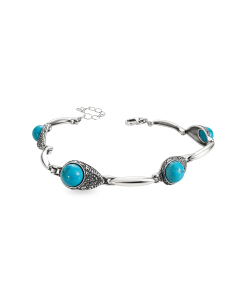
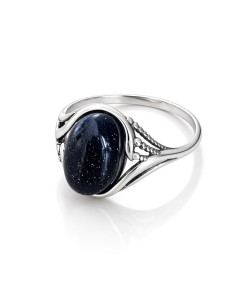
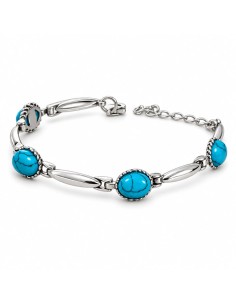
At Polcarat Design we often set turquoise in silver, which beautifully highlights its cool tone. It’s a perfect choice for anyone who loves boho style and jewelry with a story. Turquoise used in jewelry comes in many shades — sometimes light blue, sometimes a more intense blue, and sometimes leaning toward green. That variety is part of its beauty, although it can make it hard to put together a perfectly matching jewelry set.

Amazonite and rare varieties of sapphire

Beyond these two favorites, the world of gemology has other fascinating stones to offer. Amazonite, with its soft mint-green color and subtle white streaks, is traditionally seen as a stone of calm and balance. Its pastel shade is perfect for delicate, everyday looks. A good example of its charm is our delicate sterling silver amazonite pendant.

It’s also worth mentioning rare varieties of sapphire that can take on blue-green hues. Sapphires, a variety of corundum, are famous for their exceptional hardness (9 on the Mohs scale), second only to diamond. We mostly associate them with deep blue, but trace elements can shift their color toward beautiful sea-green tones.

The table below will help you quickly compare the properties of these stones.

Blue-green gemstones for jewelry compared

We’ve put together a quick cheat sheet with the key features of the most popular stones in this color. It will help you recognize them and decide which one suits you best.

GemstoneDominant shadeMohs hardnessTransparencyTypical use in jewelry
AquamarineLight blue-green7.5–8TransparentRings, earrings
TurquoiseIntense blue to blue-green5–6OpaqueNecklaces, bracelets
AmazoniteMint, pastel green6–6.5Translucent to opaqueDelicate pendants, earrings
Sapphire (blue-green variety)Deep sea tones9Transparent to translucentStatement rings

As you can see, each of these stones has something different to offer — from the crystal-clear delicacy of aquamarine, through the earthy character of turquoise, to the unmatched hardness of sapphire. The choice comes down to your taste and the story you want your jewelry to tell.

How to tell a genuine blue-green gemstone

Telling a real treasure of nature from a clever imitation — glass or dyed quartz, for example — may seem tricky, but don’t worry: there are a few reliable clues. Once you know what to look for, choosing jewelry that will bring you joy for years becomes much easier. A genuine blue-green gemstone has a character of its own. It is often less transparent, with natural irregularities and cloudy streaks that look different in every type of stone. Some stones, such as smoky or rose quartz, can have a paler color and look almost gray or colorless. That doesn’t make them fake — collectors often value them even more.

Start with the color. In natural stones, perfectly even color is rare. Slight changes in saturation, soft transitions between shades and delicate streaks are a sign that you’re holding a work of nature rather than a factory product.

Look inside the stone — inclusions are a sign of authenticity

One of the surest signs that a stone is natural is its inclusions. What are they? Tiny natural “imperfections” that formed inside the mineral as it grew millions of years ago. They can look like minute bubbles, delicate feathers or fine needles.

Remember that flawless clarity is extremely rare in nature and usually comes with an astronomical price. That’s why these small marks, like nature’s fingerprints, are the best evidence that a stone is natural. Synthetics and glass imitations are usually perfectly clean — which, paradoxically, is exactly what should make you look twice.
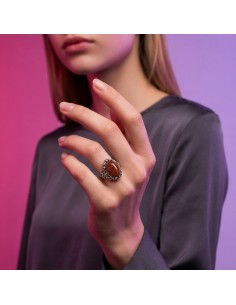
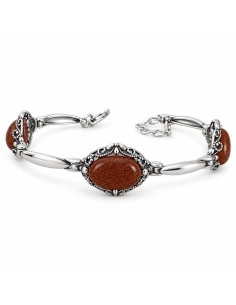
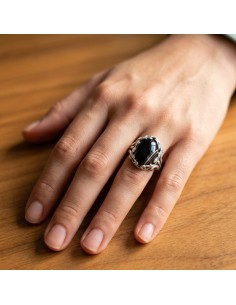
A natural stone tells the story of its formation through tiny imperfections. Perfect clarity is often the domain of lab-made stones, so natural inclusions are a mark of authenticity, not a flaw.

A trusted jeweler is the key to peace of mind

When you plan to buy a more valuable piece, don’t hesitate to ask the seller about the stone in detail: its weight, color, clarity, cut and origin. A good jeweler will answer openly and tell you whether a stone is natural, treated or lab-made.

In the end, the most important safeguard is buying from a jeweler you trust. Polcarat Design builds its reputation on honesty and transparency. Our jewelry is made of 925 sterling silver in a nickel-free alloy and is checked by the Polish Assay Office, and we clearly say whether a stone is natural, reconstructed or synthetic. Choosing a proven source simply minimizes the risk and lets you be sure your jewelry is exactly what you paid for.

Sometimes, as with labradorite, it’s the play of color itself that gives a natural stone away. You can see it clearly in our sterling silver labradorite pendant, where every stone shows its own flashes of blue and green.

The hidden meaning of blue-green gemstones

Jewelry is more than a pretty object — it’s also an expression of personality. It often quietly carries our emotions, memories and hidden dreams, and a blue-green gemstone plays a special part in that story. Its color, combining the calm of blue with the fresh harmony of green, has fascinated and inspired people around the world for centuries.

Blue-green shades are naturally associated with renewal, balance and inner calm. They bring to mind the endless ocean and the lush green of a forest, and they have long symbolized truth and hope. Wearing a piece with such a stone can be a personal reminder to pause and catch your breath in the middle of a busy day.

Amulets and talismans of the past

Ancient cultures believed that stones of this color held great power. Aquamarine, whose name literally means “seawater,” was considered a stone of courage and a talisman for sailors on dangerous voyages, meant to bring them safely home. Today it is associated with clarity of mind and the courage to make important life decisions.

Turquoise, in turn, was revered for thousands of years as one of the most important protective amulets. Ancient Egyptians, Persians and Native Americans believed it warded off evil, brought good luck and strengthened bonds of friendship. Interestingly, turquoise was also valued in Poland, especially in folk jewelry, and it can still be seen in historical pieces in Polish museums.

Choosing a blue-green gemstone from Polcarat Design means more than picking a beautiful stone. It’s a piece of history and a symbol to carry with you every day — a nod to nature and a reminder of your inner strength.

Who is blue-green gemstone jewelry for?

A piece with a blue-green stone, such as chalcedony, makes a thoughtful gift for someone who needs calm and inspiration in life — or who is simply starting something new. It’s a lovely present for a person entering a new chapter, changing jobs or setting off on a journey.

In the Polcarat Design collection you’ll find jewelry that pairs this rich symbolism with timeless design, so you can carry a small, personal talisman with you. Our pieces are made to express care and carry your best wishes.

How to choose blue-green gemstone jewelry you’ll love

Choosing the one perfect piece of jewelry is about more than matching it to an outfit. It’s an art in which your personality and lifestyle matter most. At Polcarat Design we understand this well, which is why our collection with blue-green stones is so varied. You’ll find both subtle pieces that quietly lift your everyday look and striking accessories for truly special occasions.

Every blue-green gemstone has its own story and character, and it’s worth getting to know it before you choose. Delicate, transparent aquamarine stands for timeless elegance and calm. Bold, opaque turquoise, on the other hand, gives an outfit an artistic, slightly nonchalant edge.

Match the stone to the occasion and your style

Wondering how to wear these gems to make the most of them? Think about your typical day and the moments when you want to feel special. The right stone can work wonders for your look, adding confidence and sparkle to any occasion.

  • At the office and every day — minimalism and subtlety rule here. Think discreet aquamarine studs or a small amazonite pendant: a perfect, understated accent. They look great with a classic shirt or a simple knit dress.
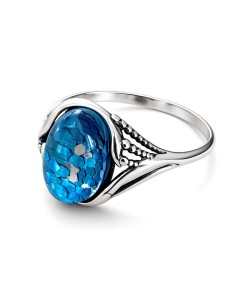
  • Meeting friends — time for a more relaxed vibe. A bracelet with several small turquoise stones or a ring with a more playful shape adds lightness, color and easy chic to your outfit.
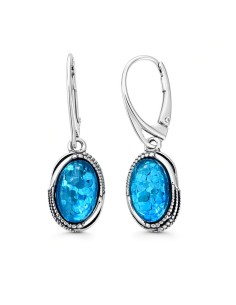
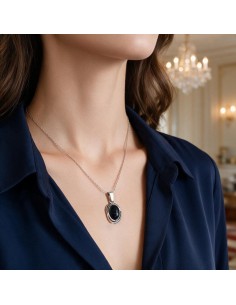
  • A night out — the perfect moment for bolder, more dramatic pieces. Try a statement necklace with a large turquoise in a silver setting or drop earrings with faceted aquamarine. They are sure to turn heads and make the evening feel special.

Remember that 925 sterling silver, which we use for most of our settings at Polcarat Design, pairs beautifully with the cool, sea-like tones of blue-green gems and brings out the full depth of their color.

Your coloring and the shade of the stone

Blue-green shades are remarkably versatile and flattering, but choosing the right saturation can bring out your natural beauty even more. It’s a simple rule that helps you create a look in which everything works together.

The most important thing is that your jewelry brings you real joy and reflects who you are. Don’t be afraid to experiment, play with fashion and mix different styles to create combinations that are all your own.

If you have a cool coloring — fair, porcelain or slightly pink skin and ash or platinum hair — your best allies are stones with clearly blue tones. Crystal-clear aquamarine or light, sky-blue turquoise will beautifully brighten your complexion.

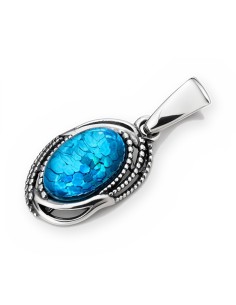
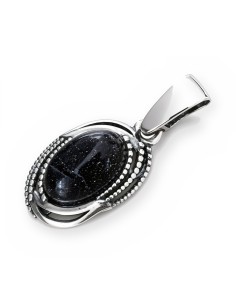
Women with a warm coloring — peachy or olive skin and honey, caramel or chestnut hair — should reach for stones with a dominant green note. Turquoise in a deeper, sea-green shade or greenish amazonite will harmonize perfectly with your natural palette. A great example is our bold sterling silver turquoise pendant, an excellent choice for women who love strong, confident accents.

Whatever your coloring, at Polcarat Design you’ll find jewelry that makes you feel truly special, thanks to the glow of its stones.

How to care for jewelry with blue-green gemstones

Already have your dream piece with a blue-green stone from Polcarat Design? Wonderful. To keep it shining for years, it needs the right care. Think of every stone as having its own needs and weak spots — knowing them is the key to keeping your treasures beautiful for a long time.

The basic rule is simple: put your jewelry on last and take it off first, to protect more delicate stones such as opal. What does that mean in practice? Avoid direct contact with perfume, hairspray and body lotion. The chemicals in cosmetics can permanently damage the surface of some stones — especially porous ones like turquoise — making them dull and changing their color for good.

Simple ways to clean it at home

Cleaning jewelry doesn’t have to be complicated or require a trip to the jeweler. The safest all-round method is lukewarm water with a few drops of mild soap. Soak the piece for a few minutes, then gently clean it with a soft toothbrush, reaching every corner of the setting.

Keep in mind that stones differ in hardness. Harder aquamarine (7.5–8 on the Mohs scale) can take much more than soft, porous turquoise (5–6). That’s why with turquoise you should avoid long soaking and skip any scrubbing.

After washing, always rinse your jewelry thoroughly under lukewarm running water and dry it with a soft, lint-free cloth. Water droplets left to dry can leave unsightly marks, especially visible on silver.

How to store your treasures safely

How you store your jewelry matters a great deal. Tossing it loose into one box with other pieces is a common mistake that leads to scratches. Harder stones such as sapphire or diamond will easily scratch the surface of softer ones.

Here are a few practical tips to avoid that:

  • Separate compartments: it’s best to keep each piece on its own. A jewelry box with soft, padded compartments is ideal.
  • Fabric pouches: no special box? No problem. Soft fabric pouches are a great alternative that will protect your treasures.
  • Avoid sun and moisture: long exposure to strong sunlight can make some stones fade. Keep your jewelry in a dry, dark place to preserve its beauty, especially stones such as aquamarine or topaz.

Follow these simple rules and your jewelry from Polcarat Design will look like new for years. It may even become a treasured keepsake, handed down from generation to generation.

Blue-green gemstones: frequently asked questions

We’ve gathered the questions we hear most often about blue-green jewelry stones. We hope these short, practical answers clear up any doubts and help you choose your jewelry at Polcarat Design with even more confidence.

Will a blue-green stone suit my coloring?

Almost certainly — it’s one of the most versatile colors in jewelry. The key is the shade. The cool, blue tones of aquamarine look beautiful with fair, almost porcelain skin, while the warmer, greener notes of turquoise flatter warmer complexions. At Polcarat Design you’ll find a wide choice of pieces to match the stone to your coloring.

Which blue-green stone is the most durable? I’m looking for something to wear every day.

If you want jewelry that can handle everyday life, choose aquamarine. Its hardness on the Mohs scale is 7.5–8, which makes it highly resistant to accidental scratches and one of the more durable gemstones for jewelry. Aquamarine rings and bracelets are a great choice for constant wear. Turquoise is more delicate (5–6 on the Mohs scale), so it needs more attention and gentler handling.

Where can I find jewelry with genuine stones?

Above all, choose established, reputable jewelers who are open about the origin of their stones and say clearly whether a stone is natural, reconstructed or synthetic. In our online store you’ll find a wide selection of gemstone jewelry for every jewelry lover. Each product comes with a jeweler’s tag listing its specifications, so you always know what you’re buying.


Discover jewelry with natural and reconstructed stones at Polcarat Design and find your perfect blue-green gem at polcaratdesign.pl.

Product added to wishlist