Can You Shower with Sterling Silver Jewelry? A Care Guide

Many silver jewelry lovers wonder whether they can keep their favorite pieces on while bathing — can you shower with sterling silver, swim in it or wear it in the bath? The question comes up especially often in summer, when jewelry may be exposed to seawater or pool water. Water, cosmetics and detergents can significantly affect how long silver lasts and how well it keeps its shine. In this guide, you’ll learn how contact with water affects silver jewelry, what speeds up wear and how to care for your silver pieces so they last for years.

Key takeaways: can you shower with sterling silver?

PointDetails
Silver loses its shineOn contact with detergents, water and cosmetics, silver jewelry dulls and loses its luster.
Chlorine and salt damage silverSwimming in pools and contact with seawater speed up corrosion and dulling of the silver surface.
Take it off before bathingIt’s best to remove silver jewelry before every bath or shower to prevent buildup and damage.
Gold-plated silver is sensitiveGold-plated silver is sensitive to water and detergents and easily loses its plating.

How bathing affects silver jewelry — what to avoid

Silver is a precious metal with exceptional aesthetic qualities, but it also reacts chemically with substances found in water, which can make it darken. Chlorine in pool water causes corrosion and loss of shine, while sea salt speeds up dulling. These substances act on the surface of the metal and can leave lasting changes in its appearance.

Cosmetics are another threat to silver jewelry. Soaps and shampoos leave a residue that dulls the surface and makes jewelry lose its natural luster. Decorative elements and fine details, where residue builds up most, are especially vulnerable.

Gold-plated silver calls for even more care. The layer of gold applied to the silver is very thin and prone to wear from water and detergents. Bathing regularly in such jewelry quickly wears the plating away, exposing the silver underneath. Even brief daily contact adds up over time.

Wearing silver jewelry in the shower every day significantly shortens its life. Even if you don’t notice any changes at first, microscopic damage accumulates over time. The silver becomes dull, loses its depth and needs cleaning more and more often. That’s why it’s better to take silver jewelry off before every shower and wash, to keep it in good condition for longer.

Pro tip: regular maintenance helps you avoid problems with tarnish. If you forget to take off your silver jewelry before a shower, dry it straight away. With a piece like our silver bracelet with crystals, dry it with a soft cloth right after bathing and check that no moisture is left between the crystals. And never store jewelry in damp places. It’s a simple way to minimize damage.

Chlorine and salt are silver’s worst enemies, so keep your jewelry away from them. Even a single swim in a pool can leave marks on a delicate surface, so always remember to take your silver jewelry off.

The main risks to silver while bathing:

  • Chlorine in pools and hot tubs causes chemical corrosion
  • Sea salt speeds up oxidation
  • Soaps and shower gels leave a residue that’s hard to remove
  • Shampoos contain chemicals that dull silver
  • Hot water intensifies all of these reactions

How to plan everyday wear of silver jewelry — a simple care routine

Building jewelry care into your daily routine is the key to making it last. Taking jewelry off before you bathe helps you avoid buildup and damage that could require costly restoration, especially with gold-plated pieces. It’s worth getting into the habit of keeping your jewelry somewhere outside the bathroom.

Getting ready to wear silver jewelry, such as a chain, takes just a few simple steps:

  1. Put your jewelry on only after your morning routine and after applying cosmetics
  2. Set up a dedicated box or tray for jewelry in the bedroom, away from moisture
  3. Take off all silver jewelry before your evening bath or face washing
  4. Check clasps and connecting parts regularly so you don’t lose anything valuable
  5. Avoid wearing gold-plated jewelry on days when you plan intense physical activity

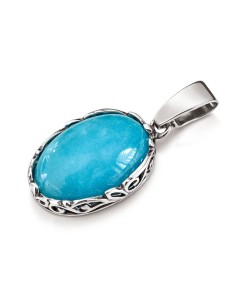
Gold-plated jewelry needs special attention. Never wear it while bathing, swimming or working out at the gym. Sweat and moisture are just as damaging as soapy water. If you own a pearl necklace, give it extra care too. The same goes for stones: a silver pendant with amazonite also deserves gentle treatment, since natural stones can react with chemicals in cosmetics, which may affect their appearance.

A separate box for storing jewelry while you bathe should have a soft interior divided into compartments. This prevents the scratches that form when pieces rub against each other. Boxes lined with velvet or flannel are ideal and also help protect against moisture — avoid keeping jewelry anywhere damp.

Regular cleaning and drying after you take your jewelry off are key parts of its care. Even if it hasn’t touched water, sweat and sebum from your skin build up on its surface. A gentle wipe with a soft cloth after each wear removes them before they can affect the look of the silver.

Man cleaning a sterling silver ring at the kitchen table

Pro tip: Keep a small box by your bed just for the jewelry you take off in the evening. Once you’re in the habit of putting your pieces in the same place, the risk of forgetting and stepping into the shower with them drops dramatically.

Soft cloths for caring for silver jewelry are available at most jewelry stores. Choose microfiber cloths or ones treated with anti-tarnish agents. Avoid paper towels, which can scratch delicate surfaces.

How to care for and clean silver jewelry after contact with water

When silver has been in contact with water, acting quickly is key. The faster you dry your jewelry, the lower the risk of permanent spots or dulling — and the better your chances of preventing tarnish. Don’t let it air-dry on its own, because water leaves mineral deposits that build up on the metal over time.

Step-by-step care after contact with water:

  1. Take the jewelry off right away and gently dry it with a soft, lint-free cloth
  2. Check all recesses and the spaces between stones, removing moisture with a cotton swab
  3. If you notice residue, use a dedicated silver cleaner or a mild soap solution
  4. Gently polish the surface with circular motions, without pressing too hard
  5. Leave the jewelry to dry completely in an airy place before putting it away

Gentle jewelry cleaning requires the right tools. Regular polishing restores the shine of the silver surface and minimizes the effects of earlier contact with water. Never use rough sponges, abrasive pastes or hard-bristled brushes, so you don’t damage your jewelry.

Cleaning methodToolPurposeHow often
Dry polishingMicrofiber clothEveryday careAfter each wear
Gentle cleaningSilver cleaning solutionRemoving buildupEvery 2 weeks
Deep cleaningBrush + cleanerStubborn dirtEvery 2 months
Professional restorationJeweler’s servicesSerious damageOnce a year or as needed

Avoid harsh detergents, which can damage not only silver but also natural stones. Substances such as ammonia, bleach and acids are too strong for delicate jewelry. Even popular home remedies with baking soda can be too abrasive for gold-plated surfaces.

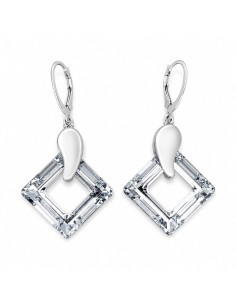
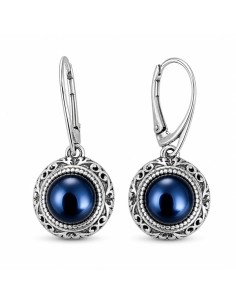
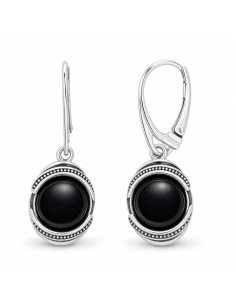
Regular polishing isn’t just about looks. A smooth, polished silver surface is less prone to collecting dirt and dulls more slowly. It’s worth spending a few minutes a week gently polishing pieces such as silver earrings with crystals so they keep their shine for years.

Pro tip: Store your silver polishing cloths in a sealed bag so they keep their properties. When a cloth turns very dark from residue, it’s time to replace it with a new one.

As the table shows, each method has its place in jewelry care. There’s no single universal solution for every situation. Match the technique to how dirty the piece is and to the type of jewelry you own.

Can you shower with gold-plated sterling silver?

Gold-plated silver is a special case that calls for a different approach than classic 925 sterling silver. Gold-plated jewelry loses its gold layer in water much faster than plain silver dulls. Gold plating is usually only a few microns thick, which makes it very delicate.

Expert advice on this is almost unanimous. Most specialists advise against bathing in gold-plated jewelry, although some allow brief contact with clean water. Even the more lenient ones stress that the jewelry should be dried and cleaned immediately.

If you can’t avoid getting gold-plated jewelry wet, be very careful. Take it off as soon as you’re out of the water and wipe it thoroughly with a soft cloth. Don’t let the water dry on its own, because it leaves mineral marks that speed up wear of the plating.

Avoiding cosmetics and detergents is essential with gold-plated jewelry. The chemicals in shampoos, gels and soaps act like a gentle abrasive that gradually wears away the gold layer. Even natural soaps can be too harsh for such a delicate surface.

Key rules for gold-plated jewelry:

  • Never wear it while swimming in a pool or the sea
  • Take it off before every bath or shower, even a quick one
  • Avoid contact with perfume, hairspray and lotions
  • Put gold-plated jewelry on last, after your whole beauty routine
  • Store it separately from other jewelry, in a dry place

Gold-plated jewelry adds instant elegance, but it calls for a mindful approach. A single moment of carelessness can cost you that beautiful gold finish.

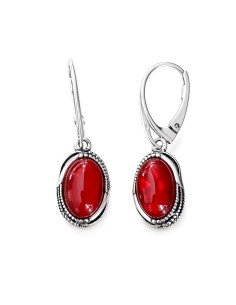
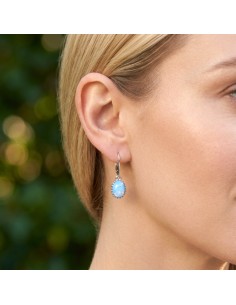
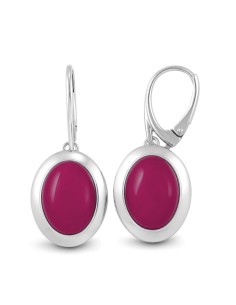
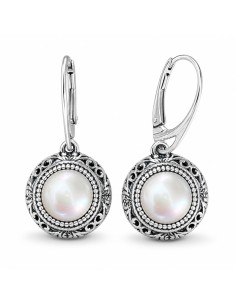
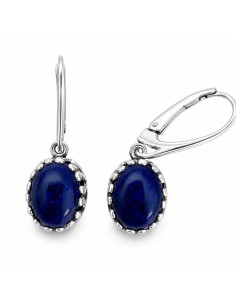
Gentle care is especially important for gold-plated pieces, because once the gold layer has worn off, it can’t be restored with home methods. Professional re-plating takes time and money, so prevention is better than repair. If you own silver earrings with a ruby cabochon in a gold-plated version, treat them like real treasure.

Discover the Polcarat Design silver jewelry collection

Now that you know how to care for and protect silver jewelry, it’s worth exploring a collection that combines beauty with durability. Polcarat Design offers a wide range of sterling silver jewelry with natural and reconstructed stones, including necklaces — which, like all jewelry, are best taken off before bathing. Every piece is cast and hand-finished in our family workshop in Rumia, Poland, and made to last for years with proper care.

Our range includes silver rings with a ruby cabochon, elegant earrings with stones and pendants for special occasions. Each piece combines craft precision with the beauty of the stones.

Well-cared-for jewelry keeps its shine for years, and the tips in this guide will help you keep every piece in great condition. Explore our full collection of silver and gold-plated jewelry, which combines tradition with modern design — a great choice for anyone who loves silver and stones and values quality and elegance.

Frequently asked questions

Does bathing in silver jewelry cause immediate damage?

A single bath in clean water usually doesn’t cause visible damage to silver. Problems build up gradually with regular contact with water, cosmetics, detergents and cleaning products. Chlorine and salt act faster and can leave marks after the first exposure. The key is to dry your jewelry immediately after it’s been in water.

How often can you clean silver jewelry?

Daily care — a gentle wipe with a soft cloth — is not only safe but recommended. Deeper cleaning with dedicated products every two weeks, or whenever you notice dulling, is enough. A professional cleaning at a jeweler’s once a year is worth it, especially for jewelry with natural stones.

Are all types of silver equally water-resistant?

No, different types of silver vary in how well they cope with water. 925 sterling silver is relatively resistant, though still prone to dulling. Gold-plated silver is much more sensitive because of its thin gold layer. Oxidized silver can lose some of its characteristic dark patina with frequent contact with water, so it needs extra care.

How do you protect silver from tarnishing?

The most effective method is to minimize contact with moisture, cosmetics and chemicals. Store jewelry in a dry place, ideally in sealed bags or in boxes lined with anti-tarnish fabric. Regular polishing with a soft cloth removes early signs of dulling before they become permanent. Avoid leaving silver in the bathroom, where humidity is high.

Is swimming in salt water worse for silver?

Yes, salt water is particularly harsh on silver. Salt speeds up corrosion and oxidation, causing faster dulling and spots. Seawater also contains other minerals that can react with the metal. After accidental contact with salt water, rinse your jewelry immediately in clean water and dry it thoroughly. Still, it’s best to avoid wearing silver when swimming in the sea.

Related products

Product added to wishlist