How to Choose a Natural Stone Necklace: Meaning, Style and Care

Pearl, jasper, citrine, tourmaline… why is natural stone jewelry so special?

In an age of mass production, a natural stone necklace feels fresh and genuine. Every stone, shaped over millions of years deep in the earth, is truly its own: its structure, shade and inner inclusions work like a natural fingerprint, and no two are exactly alike.

It’s these small natural “imperfections” that reveal a stone’s real origin and make a piece of jewelry feel truly yours. When you choose a necklace from Polcarat Design, you’re choosing something that outlasts passing trends — timeless elegance with a piece of the planet’s history set in stone.

Precious vs semi-precious stones — what’s the difference?

You’ve probably come across the split between precious and semi-precious stones. The line can be blurry, but traditionally the first group includes the hardest and rarest gems, such as diamond, ruby, sapphire and emerald. Semi-precious stones — amethyst, agate, amber or labradorite — are far more accessible, yet just as beautiful.

Their strength is an incredible variety of colors, patterns and textures. At Polcarat Design we specialize in these stones because we love bringing out their best. That’s how we make necklaces that are as lovely to look at as they are accessible.

Choosing a natural stone necklace is a personal journey. It’s a decision to wear something meaningful — a small piece of nature that feels like yours and highlights your individual style. At Polcarat Design you’ll find designs that match what you’re looking for.

Amber, amazonite, hematite, labradorite… why authenticity matters

Authenticity is key here. It stands not only for a distinctive look but also for the meaning that tradition has attached to stones for centuries. When you buy, choose trusted sellers who stand behind the origin of their materials.

At Polcarat Design we make sure every necklace combines craft precision with reliable quality: 925 sterling silver in a nickel-free alloy, checked by the Polish Assay Office. Every natural stone necklace in our collection is a promise of durability and real beauty that helps you tell your own story.

Natural stone necklace meanings: the symbolism of popular stones

Choosing a stone is about more than looks. It’s an intuitive click — a connection with a mineral formed over millions of years. Each stone tells a different story and has long been linked with different traits of character. That’s why a well-chosen natural stone necklace can become a personal talisman you wear every day.

Instead of an encyclopedic list, let me take you on a short tour of the symbolism of the most popular stones in the Polcarat Design range. You’ll see which one speaks to you and helps you express what’s on your mind. It’s a bit like choosing a friend — what matters is that certain something, a match of characters.

Natural stone necklace: beauty, symbolism and a connection with nature

The real value of natural stone jewelry lies in this harmony of beauty, deeper meaning and natural origin.

Amethyst — a stone of harmony and calm

With its mesmerizing violet color, amethyst has been associated with inner balance for centuries. In crystal lore it’s seen as a stone of calm and a quiet mind — a fitting choice for anyone who lives life on the run and needs a moment to breathe.

If you meditate, or simply want to wear a small reminder to look after your inner calm, amethyst is a great pick. Tradition also links it with an open mind and intuition.

In the Polcarat Design range you’ll find amethyst necklaces where the deep violet of the stone pairs beautifully with silver, creating jewelry full of class and calm.

Agate — a symbol of balance and strength

Agate is a true chameleon. It comes in so many colors and patterns that they’re hard to count, and each variety carries slightly different symbolism. What they share is the idea of balance — agate is traditionally seen as a stone of stability.

It’s said to stand for confidence and courage in difficult decisions, which makes it a favorite of those who value a sense of stability and the courage to face challenges. Agate is a reminder of the inner strength we all have.

Wearing agate is a bit like having a quiet, reliable ally. Its charm isn’t loud; in tradition it’s a stone of courage and of keeping a cool head in tough moments. At Polcarat Design you’ll find agates in many beautiful versions.

Lapis lazuli — a stone of wisdom and truth

With its deep blue color flecked with golden pyrite, lapis lazuli looks like a piece of the night sky captured in stone. As far back as ancient Egypt it was prized as a stone of wisdom, truth and spiritual insight, and it’s traditionally associated with clear thinking and honest communication.

It’s a popular choice among artists, speakers, leaders and anyone who wants to deepen their self-awareness, and in tradition it stands for creativity and inner wisdom. A lovely example of how this stone looks in jewelry is our silver lapis lazuli pendant from the Polcarat Design collection, with an intense color and an elegant shape.

Amber — sunny Baltic gold

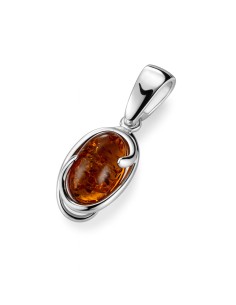
Although amber is technically a fossil resin, it has been treated like a special stone for centuries. Its warm, sunny color brings to mind optimism and the joy of life, and in folk tradition amber is seen as a good-luck talisman.

The history of stone jewelry in Poland goes back to the Middle Ages, and Baltic amber — known here as “Baltic gold” and still found on the Polish coast — has always held a special place in it.

An amber necklace is a great choice if you love warm colors and want to wear a piece of sunny heritage. At Polcarat Design you’ll find a wide range of amber jewelry, from classic shapes to modern, bold designs.

How to choose a natural stone necklace that suits you

Choosing a natural stone necklace is about more than taste. It’s about an accessory that works with you — your style, your temperament and even your coloring. A well-chosen natural stone necklace isn’t just decoration: it feels like a second skin, quietly highlights your best features and adds confidence.

To make the best choice, think about a few things. It’s a bit like picking the perfect dress — color matters, but so do cut, fabric and how you feel in it. Jewelry works the same way: metal, stone cut, chain length and clasp should come together into a whole that simply suits you.

Precious metal — the frame for the stone

A necklace setting is like the frame of a painting, and the stone is the painting. The metal affects not only how the piece looks but also how long it lasts. The two most popular choices are silver and gold, each with its own character.

  • Silver (925 sterling): A true classic and a versatile choice. Its cool tone pairs beautifully with cool-colored stones such as amethyst, lapis lazuli or labradorite and brings out their depth. Silver is also a great match for cool coloring. At Polcarat Design we use only 925 sterling silver, which means durability and good looks for years.
  • Gold (and gold-plated silver): Gold instantly adds warmth and a touch of luxury. It flatters warm-colored stones — think amber, citrine or carnelian — and suits warm or neutral skin tones. Gold-plated silver offers the look of gold in a more affordable form.

Remember that the metal should play on the same team as your complexion and the rest of the jewelry you wear every day. The goal is a harmonious, consistent look.

Stone cut and shape — the key to sparkle

The cut is simply the way a jeweler works a rough stone to bring out as much sparkle, color and life as possible. It’s a real art that can completely change how a mineral looks. A well-executed cut makes light dance across the surface of the stone and draws every eye.

Choosing a cut is like choosing a haircut — the right one highlights the best features. A faceted cut adds sparkle, while a smooth cabochon brings out the stone’s inner pattern and depth of color.

Here are the most popular cuts worth knowing:

  • Faceted cut: The surface is cut into many small flat faces (facets) that reflect light like tiny mirrors. It’s ideal for transparent stones such as topaz or amethyst, giving them spectacular sparkle.
  • Cabochon (smooth) cut: The stone is polished smooth into a rounded, domed shape. This cut shows off the patterns, inclusions and play of color in opaque stones such as agate, labradorite or turquoise. A great example is our silver agate pendant, where the smooth surface lets you fully enjoy the stone’s natural bands.

Pendant, charm and chain: match the chain length to your neckline

The right necklace length can work wonders — it can visually lengthen the neck, highlight the collarbones or nicely fill a neckline. It’s a detail that makes a big difference to the whole outfit.

Necklace lengthWhere it sitsBest necklines
40–45 cm / 16–18 in (princess)Right at the collarbones or slightly belowV-neck, crew neck, boat neck, shirt collar
50–60 cm / 20–24 in (matinee)Mid-chestTurtleneck, high or square neckline
Over 70 cm / 28 in (opera)Below the bust lineSimple tops, high-neck dresses, layered looks

Natural stone necklaces keep growing in popularity: interest in craftsmanship and sustainability leads more and more people to look for jewelry with character.

When choosing a necklace, follow not only trends but above all your intuition. Real beauty lies in authenticity, and Polcarat Design jewelry is made to highlight it.

How to tell if a natural stone is real

Buying a natural stone necklace is an investment in beauty that lasts for years. But how can you be sure that what you’re holding is a real treasure of nature and not a clever glass or plastic imitation? Fortunately, there are simple at-home checks that help you make an informed choice.

Checking authenticity doesn’t require professional jewelry equipment. Often a bit of attention, some knowledge and trust in your own senses are enough. That way your natural stone necklace from Polcarat Design will be not only a beautiful accessory but also a source of real satisfaction.

The temperature test: feel the coolness of nature

One of the simplest and most intuitive tests is the temperature test. Natural stones, as minerals, are good conductors of heat. In practice, that means they feel cool to the touch at room temperature.

Try holding the stone against your cheek or wrist, where the skin is thinner and more sensitive. If you feel a distinct coolness that slowly fades as the stone warms up from your body heat, that’s a very good sign. Glass or plastic imitations quickly take on the surrounding temperature and don’t give you that clear initial chill.

Look closer for inclusions

Nature is rarely perfect, and that’s exactly where its beauty lies. Natural stones almost always have internal features called inclusions. These can be tiny fractures, delicate streaks, tiny fluid pockets or even crystals of other minerals trapped in the stone’s structure millions of years ago, as it formed.

Use a jeweler’s loupe, or even your smartphone camera’s zoom, to take a close look inside the stone. If you see that irregular world of tiny flaws, it points to natural origin. A perfectly clean, crystal-clear interior, on the other hand, may suggest a synthetic stone or plain glass.

Remember that in the world of natural stones, perfect clarity is extremely rare and usually comes at a very high cost. Natural inclusions are nature’s own proof of authenticity.

Price as a clue: don’t fall for “bargains”

We all love a good deal, but a suspiciously low price for a natural stone necklace should raise a red flag. Mining, sorting and cutting real minerals is costly and time-consuming, so jewelry with genuine stones always has its value.

If an offer seems too good to be true, it probably is. Compare several sellers — a sudden, drastic markdown in one store may mean the product is only an imitation. Choosing a trusted store like Polcarat Design means a fair price for a genuine product.

Women’s natural stone necklaces: buy from trusted sellers

The surest way to avoid disappointment is to buy jewelry from reputable sellers who have built their brand on quality and customer trust over many years. Established stores like Polcarat Design stand behind the authenticity of what they sell and tell you clearly what each stone is.

With a trusted jeweler you gain not only confidence in the stone but also expert knowledge and service. It’s peace of mind and the assurance that your dream necklace is exactly what it should be — a beautiful stone set with craft precision.

How to care for a natural stone necklace so it keeps its shine

Your natural stone necklace is more than an accessory. It’s a small work of art, an investment in beauty that will delight you for years with a little care. Proper care is the key — it keeps the stones and the precious metal of the setting shining for a long time.

Caring for jewelry doesn’t have to be complicated; a few basic rules are enough. Every stone is different, with its own hardness, structure and sensitivity. Once you know how to treat a particular mineral, it’s easy to avoid accidental damage or dullness.

Cleaning a natural stone necklace step by step

Regularity and gentleness are the basics. Everyday grime such as dust, sweat or traces of cosmetics can dull the stones over time. Fortunately, the safest method is also the simplest — a soft, damp microfiber cloth.

What if the dirt is more stubborn? Mix lukewarm water with a few drops of mild soap. Dip the cloth, wring it out well and gently wipe the necklace. Finally, dry the jewelry just as gently — moisture is the enemy of a beautiful shine.

Golden rule: keep harsh detergents, solvents, alcohol and bleach away. Aggressive chemicals can permanently damage the porous structure of stones such as turquoise or malachite and discolor the metal too.

What to avoid while wearing jewelry

To keep your necklace looking new for as long as possible, build a few simple habits. Jewelry doesn’t like chemicals, so always take it off before:

  • Housework: cleaning products can be genuinely harmful to it.
  • Bathing or swimming: chlorinated water is enemy number one for both stones and silver.
  • Workouts: sweat can speed up the dulling of stones and the tarnishing of metal.
  • Applying cosmetics: put on perfume, hairspray and lotion before your jewelry so they don’t build up on its surface.

Storage is the key to longevity — take extra care with amber, coral, turquoise and emerald

How you store your jewelry matters a lot. Necklaces tossed loose into one box are asking for trouble — they tangle and scratch each other. Harder stones show no mercy to softer ones, and metal parts leave scratches on delicate surfaces.

The ideal solution? Store each necklace separately, preferably in a soft pouch or a jewelry box with compartments. This protects jewelry not only from scratches but also from dust, light and moisture. Take special care of a silver amber pendant — amber is relatively soft and scratches easily.

Follow these simple rules and your favorite natural stone pendant from Polcarat Design will look freshly bought for many years.

How to style a natural stone necklace for every occasion

One of the biggest advantages of a natural stone pendant is its versatility. It moves easily between styles — from a relaxed everyday look to refined evening elegance. The secret is to match the type, size and setting of the stone to the character of the rest of your outfit.

We’ll show you how to work this jewelry into your wardrobe so every outfit gets a little edge. It’s the best proof that natural stones can tell the story of your style, whatever your plans.

For the office — subtle elegance with a stone pendant

At work, class and good judgment count, but that doesn’t mean giving up personal touches. A delicate natural stone necklace can be the finishing touch to an office dress code, adding a hint of color and character.

The key is choosing subtle designs — pieces that don’t shout but quietly underline your professionalism. Instead of large, eye-catching forms, go for the refined minimalism you’ll find at Polcarat Design.

At the office, jewelry should be a quiet whisper of elegance, not a loud fashion statement. A delicate stone necklace is a perfect way to express yourself while staying fully professional. Earrings can complete the look.

Practical tips:

  • Delicate rose quartz: A subtle necklace with a small rose quartz in a silver setting, like those from Polcarat Design, looks lovely with a white shirt or an elegant blouse and adds warmth and femininity.
  • Calm agate: A fine chain with a small, smooth agate in gray or blue tones is understated elegance itself. It goes perfectly with navy blazers and formal dresses. Other subdued options include brown tiger’s eye, soft-toned synthetic opal or black cubic zirconia (a lab-made stone, but a popular one in jewelry).
  • Short chain: Aim for princess-length necklaces (about 45 cm / 18 in). They sit right at the collarbones and look great with V-necks or under an open shirt collar.

Everyday — relaxed and creative

After hours you can relax and experiment much more. A natural stone necklace is a fantastic way to liven up even the simplest jeans-and-white-tee outfit and give it character.

Everyday outfits are where jewelry can take the lead. Play with colors, textures and lengths and create your own combinations inspired by the Polcarat Design range.

Casual look ideas:

  • Boho vibe: A long necklace with irregular nuggets of turquoise or colorful agates completes a flowy dress, a tunic or a loose sweater.
  • Layers, layers, layers: Combine several fine necklaces of different lengths. Try pairing a delicate chain with a small stone, for example from the Polcarat Design collection, with a plain chain and a longer necklace with a larger pendant.
  • A bold pop of color: A simple monochrome outfit (say, a black turtleneck) is the perfect backdrop for a statement necklace with a large stone such as amber or lapis lazuli.

For a night out — sparkle and sophistication

An evening outfit calls for the right finishing touch, and a striking natural stone necklace can be the star. For special occasions, reach for deep-colored stones with intense sparkle that add a luxurious touch.

Here you can go for bolder shapes and more dramatic stones. Just make sure the necklace works with the dress and doesn’t compete with the rest of your jewelry.

How to shine in the evening:

  • Mysterious labradorite: A necklace with a large faceted labradorite and its mesmerizing play of color is a stunning addition to a simple, elegant dress in black, navy or bottle green.
  • Regal garnet red: A short necklace with garnets or rubies beautifully highlights the neckline of a ball gown and adds a touch of royal splendor.
  • Classic pearls: Technically, a pearl isn’t a stone, but it often appears alongside them. A necklace combining cultured pearls with small rock crystals is the essence of timeless elegance — ideal for weddings or formal galas. Smoky quartz also looks beautiful in an evening setting.

You’ll find plenty of inspiration in the wide range at Polcarat Design, where every natural stone necklace is made with passion and attention to detail.

Natural stone necklace FAQ

The world of jewelry, especially natural stones, raises plenty of questions. No wonder — a natural stone necklace is more than an ordinary accessory. We’ve gathered the most common questions to help you understand and appreciate these small works of art.

Can a natural stone necklace get scratched?

Yes, it can. Stones are hard and durable, but not indestructible. Each has a different scratch resistance, measured on the Mohs scale. Quartz, for example, rates 7 and is far harder and more resistant than delicate amber, which rates just 2–2.5.

That’s why storage matters so much. The golden rule is to keep each necklace separately, ideally in a soft pouch, so it doesn’t rub against harder objects. Look after your treasures and your Polcarat Design jewelry will serve you for years.

How often should I clean jewelry with stones?

It depends on how often you wear it. If your necklace is an everyday companion, wipe it gently with a soft cloth once a week to remove dust and the traces of the day. A deeper clean, for example in water with a little soap, is enough every few months.

Remember that with jewelry care, less is more. Regular, gentle care beats occasional aggressive cleaning. That’s the secret to keeping stones shining for a long time.

Can anyone wear any stone?

Absolutely. Choosing a stone is above all a matter of taste and what speaks to you. Many people are guided by symbolism or traditional beliefs, but there are no strict rules. No stone is “forbidden” or “assigned” to you.

What matters most is that you feel good and special wearing your necklace. Choose a stone whose color and shape simply speak to you. That personal bond is what turns jewelry into your own keepsake, and you’ll find the perfect piece at Polcarat Design.

Are natural stone necklaces heavy?

A necklace’s weight depends on the size and type of stones. A delicate chain with one small stone is barely noticeable. Larger designs, like those in the Polcarat Design collection, are made with comfort in mind — even when the stones are bigger.

A good designer knows how to balance weight and construction so jewelry is comfortable all day long. If you’re unsure, start with something more delicate. You’ll quickly see that comfort and beauty can go hand in hand.

Can a stone’s color fade over time?

Some stones, such as amethyst or rose quartz, can be sensitive to prolonged sunlight. Like colorful fabrics, they may fade slightly under UV rays.

Fortunately, this is easy to prevent. Make it a habit not to leave your jewelry on a windowsill or in another sunny spot. When you’re not wearing it, put it in a jewelry box or pouch. That way your natural stone necklace will keep its deep color for years.


Discover jewelry in which every stone tells a different story. At Polcarat Design we make necklaces and other pieces with passion and craft precision — cast and hand-finished in our workshop in Rumia, Poland — so you can express yourself. Browse our collection and find something special at polcaratdesign.pl.

Product added to wishlist