Common mistakes when choosing and caring for turquoise jewelry
Choosing and caring for turquoise jewelry is a delicate art that requires not only an eye for beauty but also some specialist knowledge. Many jewelry lovers make mistakes that can permanently damage this delicate stone with its rich history and symbolism.
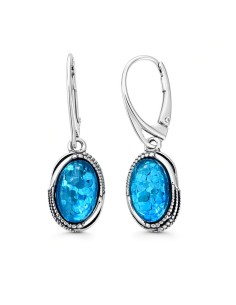
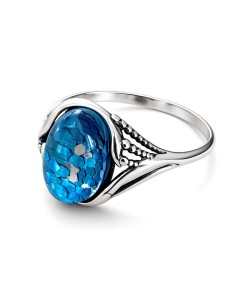
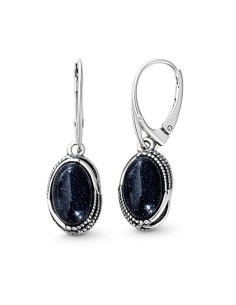
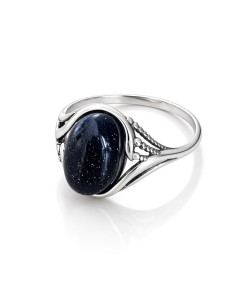
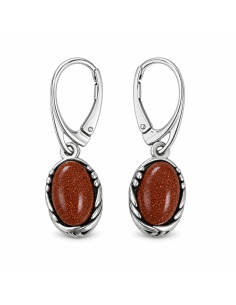
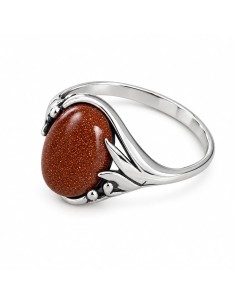
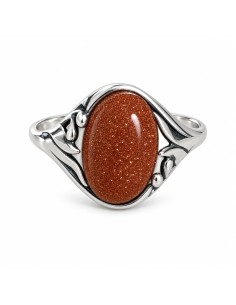
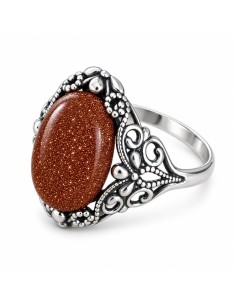
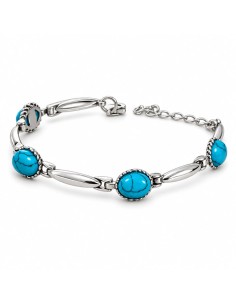
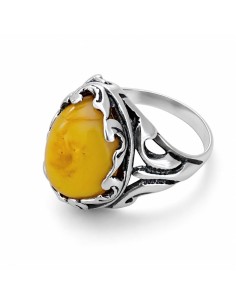
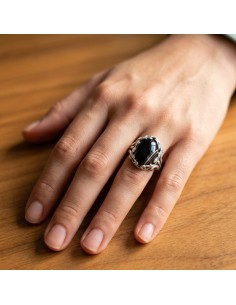
The first common mistake is improper storage. Many people don’t realize that turquoise is a relatively soft mineral, prone to scratches and damage. A sterling silver ring with blue goldstone — like any piece with a softer stone — should be stored separately in a soft pouch or a dedicated jewelry box, away from harder pieces that could scratch it.
The second key mistake is improper care. Turquoise is highly sensitive to chemicals, perfume, cosmetics and even plain water. People often forget to take off their jewelry before applying perfume or creams. Sweat, skin oils and chemicals can permanently change the color and structure of the stone and lead to its deterioration.
The last, often underestimated issue is incorrect cleaning. Harsh cleaning agents, ultrasonic cleaners or brushes can seriously damage the delicate structure of turquoise, which is a relatively soft stone. Professionals recommend cleaning it only with a soft, damp cloth and avoiding any chemical products.
Conservator’s pro tip: before every cleaning session, make sure you use only gentle, proven methods — your turquoise will reward your care for years.
Discover the beauty of turquoise jewelry at every stage of its making
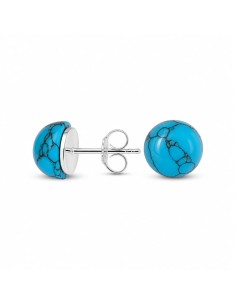
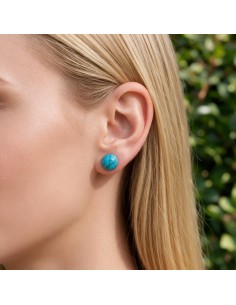
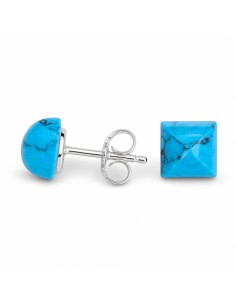
The journey from raw stone to finished jewelry requires precision and passion. If you want to fully appreciate the natural beauty of turquoise and the quality of carefully finished sterling silver jewelry, our collection was created for you. You will find selected pieces with turquoise that combine traditional cutting and stabilization techniques with modern design — cast in 925 sterling silver and hand-finished in our family workshop in Rumia, Poland.
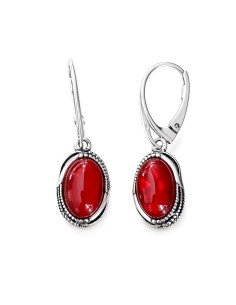
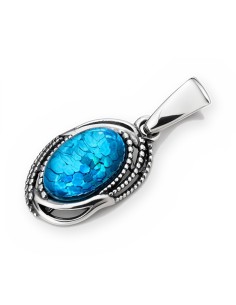
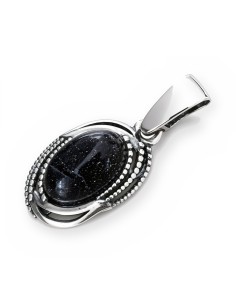
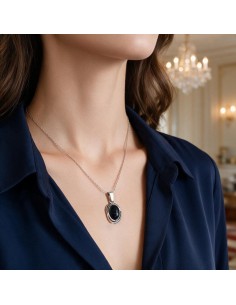
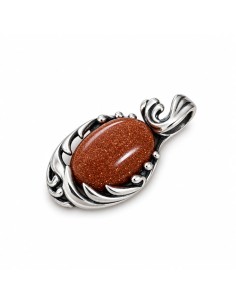
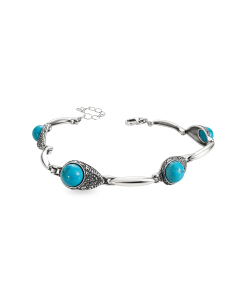
Take a look at our designs, such as a sterling silver turquoise ring or a sterling silver turquoise pendant. Visit Polcarat Design and let the natural beauty of the stone and fine craftsmanship tell your personal story of style and harmony.
Frequently asked questions about turquoise jewelry
What are the main stages of making turquoise jewelry?
Making turquoise jewelry involves several key stages: selecting the rough stone, cutting and polishing it, stabilizing the turquoise and setting it in a silver piece that is cast and then finished by hand. Each of these stages affects the final look and durability of the jewelry.
How is Persian turquoise different from other types?
Persian turquoise has an intense, pure blue and is considered the most prized type, while Mexican turquoise has a more rustic character with greenish tones and brown veining, and Chinese turquoise usually comes in muted shades of blue and green.
How do I care for turquoise jewelry so it stays beautiful?
Store your turquoise pieces separately, away from harder stones, avoid contact with chemicals and do not use harsh cleaning agents. Clean it with a soft, damp cloth so you do not damage the stone or the finish of the jewelry, especially if the piece also includes pearls.
Turquoise has a characteristic color — lighter than lapis lazuli, darker than aquamarine. In many traditions it is regarded as a stone that protects against negative energy, a blue-green talisman, while its natural veining gives every stone its own character. Turquoise has fascinated people for thousands of years, and in jewelry it makes an ideal accent — one that, according to tradition, also carries protective meaning.
Why wear turquoise jewelry?
Turquoise is traditionally associated with emotional harmony and spiritual calm. It also symbolizes protection and strength, which makes it a popular choice in jewelry, especially as a talisman.
Recommended for you