- Silver Jewelry Tips
- 0 likes
- 520 views
- apatite, apatite meaning, apatite properties, apatite jewelry, blue apatite, apatite earrings, apatite pendant
TL;DR:
- Apatite is a natural mineral from the phosphate group, prized in jewelry for its intense colors and luster.
- It has scientific significance as the mineral component of bones and teeth, though in jewelry it is valued mainly for its looks.
- Apatite jewelry is ideal for anyone who loves natural stones, originality and carefully hand-finished settings.
Did you know that the mineral that builds your bones and teeth can also become a beautiful piece of jewelry at your neck? Apatite is a calcium phosphate that has formed the skeletons of vertebrates for millions of years, and at the same time it delights jewelers with its color and luster. In the world of natural stone jewelry, apatite is winning more and more fans, and for good reason. This article explains apatite meaning and properties, clears up a few doubts, debunks some popular myths and shows you why apatite may be exactly the stone you have been looking for.
Apatite properties: key takeaways
| Point | Details |
|---|---|
| A natural mineral with an intriguing origin | Apatite stands out for its intense color and its fascinating link to the mineral in our bones. |
| A stylish choice for any outfit | The stone works in both everyday and evening looks, highlighting your personal style. |
| Safe wear and care | With proper care you can enjoy apatite jewelry for many years. |
| Facts over myths | Enjoy the proven qualities of apatite and don’t take its metaphysical properties literally. |
What is apatite and where does it come from?
Apatite is intriguing from a scientific point of view — now let’s explain what makes it special as a jewelry stone.
Apatite is a natural mineral from the phosphate group. Chemically, it is a calcium phosphate containing fluorine, chlorine or a hydroxyl group, which means it occurs in nature in several varieties. The most common are fluorapatite, chlorapatite and hydroxylapatite. Each differs slightly in composition, but all share a similar appearance and the optical properties that make them attractive to jewelers.

The name “apatite” comes from the Greek word apatao, meaning “to deceive” or “to mislead.” For centuries the mineral was mistaken for other gemstones, such as beryl, tourmaline or aquamarine. It was only in the 18th century that mineralogists finally classified it as a separate mineral. This history of mistaken identity is a fitting metaphor for its nature: apatite can surprise and delight once you get to know it.
Apatite deposits are found all over the world. The finest jewelry-quality specimens come from Brazil, Mexico, Madagascar, India, Canada and Myanmar. Vivid blue apatite is sometimes called “Paraíba apatite” and is especially prized by collectors, while Madagascar supplies beautiful green and yellow varieties.
| Property | Data |
|---|---|
| Chemical composition | Ca₅(PO₄)₃(F,Cl,OH) |
| Hardness (Mohs scale) | 5 |
| Luster | Vitreous to resinous |
| Transparency | Transparent to opaque |
| Colors | Blue, green, yellow, violet, colorless |
| Main deposits | Brazil, Madagascar, India, Canada, Mexico |
The colors of apatite are a real feast for the eyes: from intense sea turquoise through deep navy and juicy green to soft honey yellow and subtle violet. Each color comes from different trace elements, such as iron or manganese, in the mineral’s structure.
“Apatite is a calcium phosphate, similar to the hydroxylapatite in human bones — a mineral that literally carries a trace of life.”
Apatite has a hardness of 5 on the Mohs scale. For comparison, diamond rates 10 and quartz 7. This means apatite is relatively soft and needs gentle handling. Still, in a well-made silver setting and worn with care, apatite jewelry can last for many years and delight you with its intense sparkle.
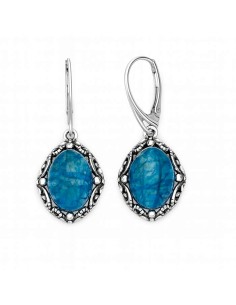
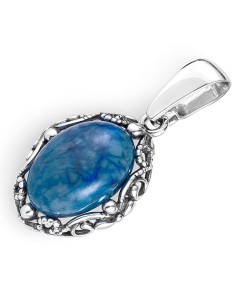
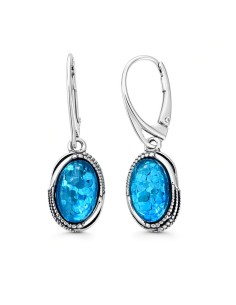
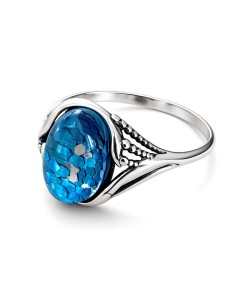
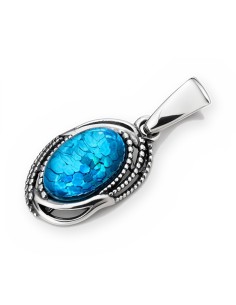
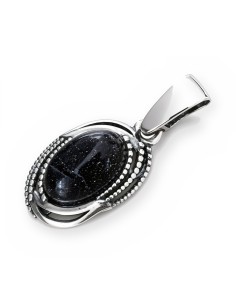
Apatite is also special for its natural luster. A well-cut stone reflects light like shimmering seawater, so every pair of apatite earrings or apatite pendant looks like a miniature ocean captured in a silver setting.
Apatite meaning and properties: facts vs myths
Now that we know the structure and origin of apatite, it is time to separate what scientists confirm from popular myths about healing properties.
Apatite has a fascinating history both in science and in the tradition of crystal healing (lithotherapy). It is worth approaching the subject with an open mind, but also with common sense. Let’s see what is fact and what remains in the realm of belief and tradition.
Scientifically confirmed facts
Apatite plays a key role in biology and medicine. Hydroxylapatite, one of its varieties, is the main mineral component of bone and tooth enamel. That is why synthetic hydroxylapatite is used in dental and orthopedic implants: it is biocompatible, which means the human body accepts it and does not reject it.
In jewelry, apatite is valued for its vivid color and natural luster. Its optical properties make it an attractive material for artistic jewelry.

Is apatite a stone of communication? Myths and traditional beliefs
In crystal lore, apatite is credited with a number of metaphysical properties, including links to the chakras and to communication. It is said to strengthen intuition, spark creativity, ease communication and help concentration. Some traditions associate it with the third eye and clairvoyance.
However, there is no empirical scientific evidence of any effect of apatite on well-being, emotions or cognitive abilities. No reliable clinical study has shown that wearing a stone affects health or the mind beyond the placebo effect.
| Property | Fact or myth? |
|---|---|
| Main mineral component of bones and teeth | Scientific fact |
| Use in implants | Scientific fact |
| Vivid color and luster | Jewelry fact |
| Strengthening intuition | Myth / tradition |
| Sparking creativity | Myth / tradition |
| Curing diseases | Myth / tradition |
| Easing communication | Myth / tradition |
Qualities that truly make apatite special in jewelry:
- Intense natural color — no dye can match the depth of natural color
- Vitreous luster — the stone reflects light beautifully in any setting
- Individuality — no two stones are identical
- Wearable natural beauty — a vivid natural gemstone you can enjoy every day
- A wide range of colors — every woman can find a shade that suits her
Pro tip: if you are interested in crystal healing, treat the properties attributed to stones as a beautiful tradition and a source of personal inspiration, not as medical advice. The real value of apatite lies in its natural beauty and its remarkable history.
Who is apatite jewelry for? Symbolism and style
Now that we understand the properties of apatite, it is worth knowing who will especially love this stone.
Apatite is a stone that is hard to pigeonhole. It is neither too delicate nor too loud. It has the rare quality of suiting many types of women and many styles. Still, some people will fall in love with it at first sight.
Above all, apatite will win over women who value originality and natural materials. If you prefer a stone with history and character to mass-produced jewelry with glass imitations, apatite is for you. Every specimen is different, which makes apatite jewelry a truly personal choice.
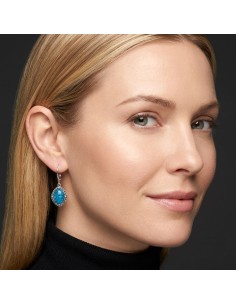
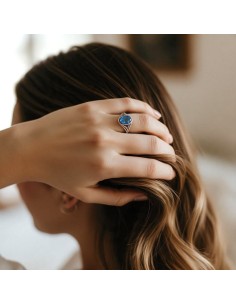
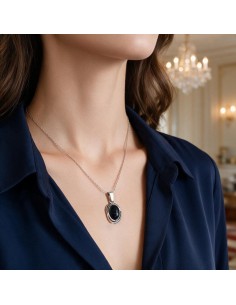
Professionally active women looking for an elegant but not overly formal accent for everyday outfits will appreciate the subtle blue or green of apatite. In a silver setting it works with casual jeans as well as with an elegant office blouse. It is like a master’s brushstroke on the canvas of an everyday outfit: one stone changes the whole picture, especially when it is well cut.
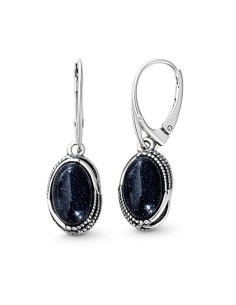
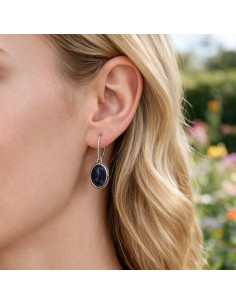
Apatite in jewelry works in necklaces, earrings and bracelets, and looks most beautiful with silver, pearls or quartz. A silver setting enhances the cool, sea-blue shade of blue apatite, creating an effect that is both modern and timeless.
Who will especially appreciate apatite jewelry:
- Natural stone lovers — for whom the history and authenticity of a mineral matter
- Women who love color — apatite lets you choose a shade that matches your personality
- Anyone looking for an original gift — apatite jewelry is an unexpected but delightful choice
- Fans of minimalist elegance — one striking stone in silver is enough to complete a look
- Active women — apatite earrings or a bracelet make a light everyday accent
If you are looking for a gift for someone close, apatite is a wonderful choice for the woman who has everything. It is original enough to surprise and beautiful enough to be remembered. Sterling silver jewelry with a natural stone is a gift that says, “I know your taste and I appreciate who you are.”
Pro tip: when matching apatite to an outfit, pay attention to its shade. Blue and turquoise apatite pairs beautifully with cool clothing colors (grays, whites, navy), while yellow and green apatite brightens warm, earthy tones.
Apatite also works as a birthday or anniversary stone. Although it is not officially assigned to any month, its traditional symbolism of communication and creativity makes it a lovely gesture for artists, writers, teachers and all women who live by words and imagination.
How to care for apatite jewelry
To enjoy the beauty of apatite for many years, it is worth learning a few practical care rules.
Apatite is beautiful, but it needs attention. With a hardness of 5 on the Mohs scale, it can be scratched by many everyday objects, including other stones in your jewelry box. The good news is that with proper care, apatite jewelry will delight you for many years.
Here is how to care for your apatite step by step:
Store it separately. Every stone should have its own place. Small velvet pouches or compartments in a jewelry box work best, so the apatite does not rub against other stones or the metal parts of your jewelry.
Avoid contact with chemicals. Perfume, hairspray, cleaning products and even soap can damage the surface of the stone or weaken its color. Always put on your apatite jewelry as the last step of getting ready, after applying cosmetics.
Take your jewelry off before physical activity. Exercise, gardening, cooking or cleaning all expose apatite to knocks and scratches. One careless movement can damage the stone permanently.
Clean it gently. Use lukewarm water and a soft cotton cloth or a soft-bristled brush. Do not use ultrasonic jewelry cleaners or chemical agents. Dry the stone thoroughly after washing.
Avoid prolonged sun exposure. Over time, intense UV light can affect the color of some apatite varieties, especially yellow and green ones. Store your jewelry away from windows and direct sunlight.
Apatite needs special care: avoid scratches and contact with chemicals and harder stones. Store it separately and it will keep its natural sparkle for many years.
If your apatite jewelry has a silver setting, remember to care for the silver too. Silver darkens over time and develops a patina. You can polish it gently with a special silver cloth, taking care not to touch the stone with it. Sterling silver earrings with crystals and other designs with stones need similar care, and the results are well worth the effort.
Regular but gentle cleaning and sensible storage are really all apatite needs. It is not a temperamental stone, but one that asks for respect. And that is exactly what makes jewelry with it more than an ornament. It becomes something you care for, something that accompanies you in everyday life and gains personal value over time.
Our perspective: apatite, a beauty backed by science and style
We want to share something that is rarely said when choosing natural stone jewelry. Many women reach for a particular stone because it “supposedly brings luck” or “boosts energy.” And while we understand the charm of these stories, we believe apatite deserves more than metaphysical labels.
It is worth focusing on the tangible, proven qualities of apatite: its scientific history, its remarkable color and its natural origin. This is a stone that literally carries a trace of life, because it is chemically related to the mineral that builds human bones. Isn’t that a more beautiful story than any legend?
The modern woman chooses jewelry consciously. She asks where a stone comes from, how it was cut and what makes it special. Apatite answers these questions openly: it is natural, it has a fascinating history and it captivates with a color that needs no explanation.
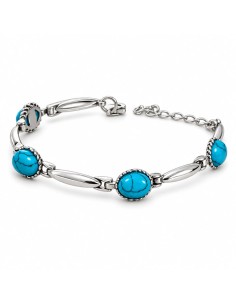
The love of natural stones is not a passing trend. It is a return to values: authenticity, individuality and conscious choice. Just like labradorite earrings, apatite jewelry tells a story worth carrying with you every day.
Find your natural stone jewelry
Inspired by apatite? It is just the beginning of a beautiful adventure with natural stone jewelry. At Polcarat Design you will find carefully selected designs created for women who value quality, natural materials and artistry. Every setting is made of 925 sterling silver, cast and then hand-finished in our family workshop in Rumia, Poland.
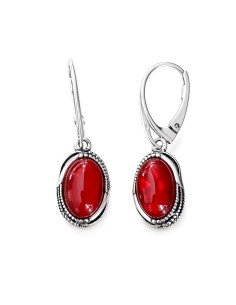
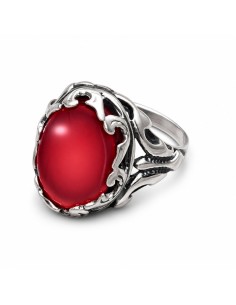
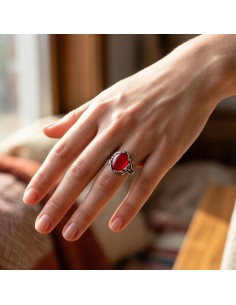
If you are looking for a gift — or a treat for yourself — take a look at our sterling silver ring with a ruby cabochon, which captivates with its simplicity and elegance. For lovers of intense color we have lapis lazuli earrings, and for those who love a romantic, delicate mood, a rose quartz pendant will be ideal. Each design is a ready gift idea or a subtle accent for everyday wear.
Frequently asked questions about apatite
Is apatite suitable for everyday wear?
Yes, apatite can be worn every day, but it needs gentle handling and should be stored separately from other stones and jewelry so that it does not get scratched or lose its sparkle.
How can I recognize genuine apatite in jewelry?
Genuine apatite has a vivid, glassy color and relatively low hardness. Because it comes in many colors, from sea blue to deep navy, it is best to buy it from trusted sellers who provide a detailed description of the stone.
Which stones go best with apatite?
Apatite pairs well with silver, pearls and quartz, creating combinations that are both elegant and natural.
Is apatite jewelry a good gift?
Apatite is a versatile and expressive stone that makes a special gift for a woman who values elegance and originality, especially when it is set in silver and finished with care in every detail.