How to buy and give opal or pearl jewelry without a faux pas: pearl jewelry and what pearls mean
Knowing about superstitions is one thing; practical buying decisions are another. A few rules that really work:
- Check whether the recipient takes superstitions seriously. If so, ask directly about her stone preferences or choose a stone with no cultural “history” — rock crystal, agate or sodalite, for example.
- Buying pearls for yourself? Tradition says that buying them yourself neutralizes the superstition. Buy them and wear them without worry.
- Giving pearls as a gift? Add a symbolic coin, or ask the recipient to give you a penny in return. It’s an old but still living “neutralizing” ritual.
- An opal as a gift? Include a short card with the story of the stone and care instructions. Knowledge works better than ritual.
- A bride and pearls? If the family tradition is strong, suggest pearls as her “something borrowed,” or choose pearl earrings instead of a necklace, which is often seen as less “binding” in superstition.
A few more tips for choosing a gift:
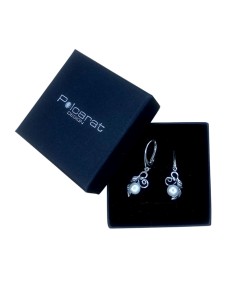
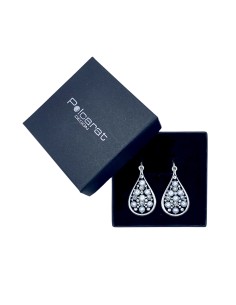
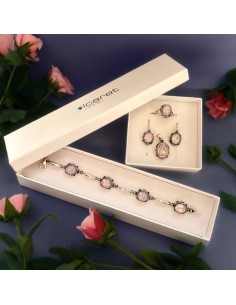
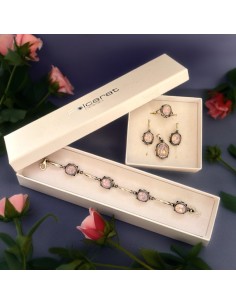
- A beautiful leather ring box changes how a gift is received. Carefully presented jewelry says “I thought about this,” which in itself defuses many of the fears about jewelry bringing bad luck.
- A greeting card with a short description of the stone and its symbolism in different cultures shows that the gift is thoughtful and caring.
- Choosing the color of the stone with the recipient in mind makes the jewelry feel personal, rather than a “generic gift with a superstition attached.”
Pro tip: When choosing jewelry for a wedding or as a gift for someone who takes superstitions seriously, talk to a jeweler before you buy. A good jeweler knows these concerns and will help you choose a stone and setting that are both beautiful and symbolically reassuring.
What gemology says: do the properties of opals and pearls explain the superstitions?
Gemology looks at stones through a loupe, not through the lens of folklore. Opals and pearls have specific physical properties that may explain some of the associations — though not any “magic.”
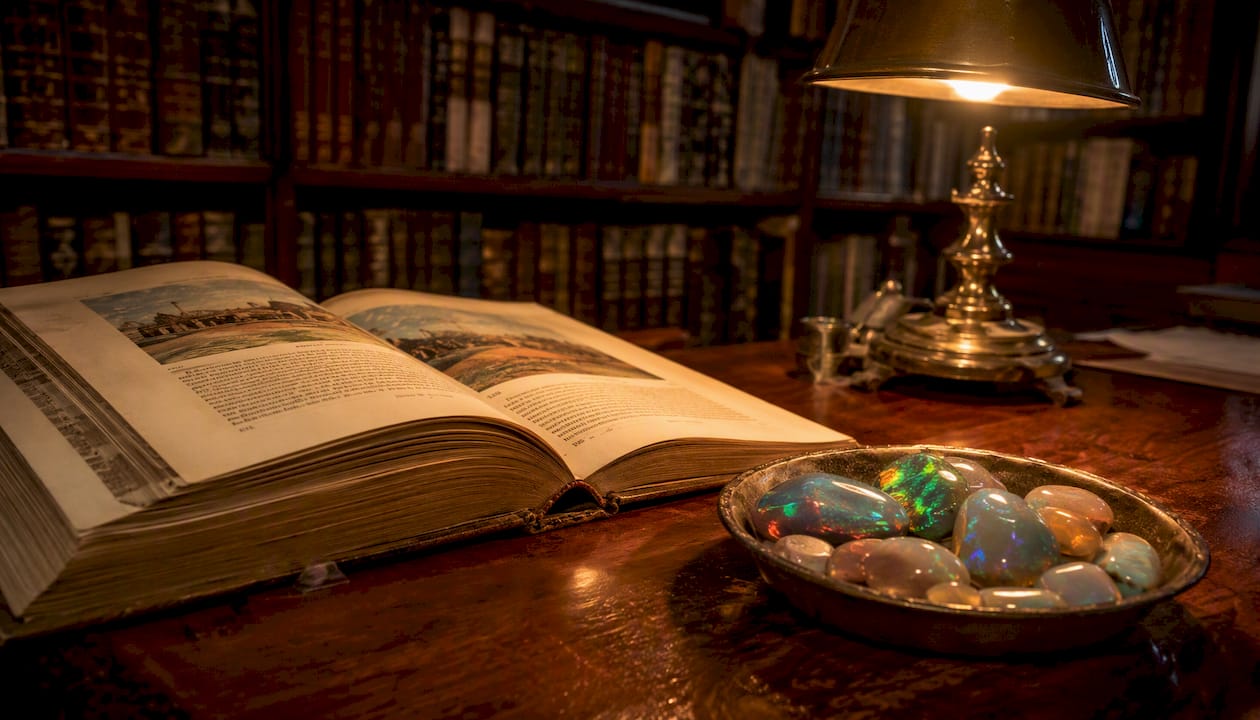
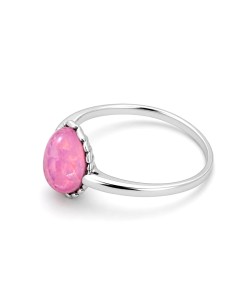
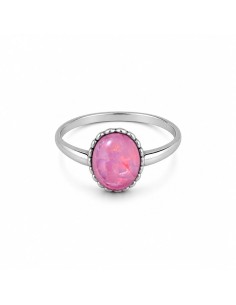
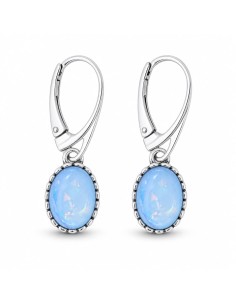
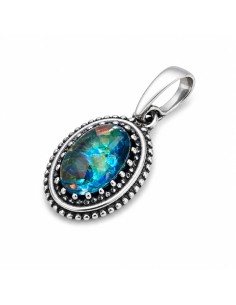
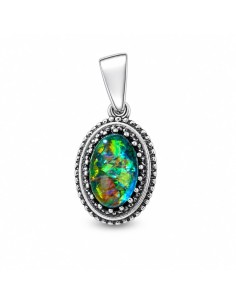
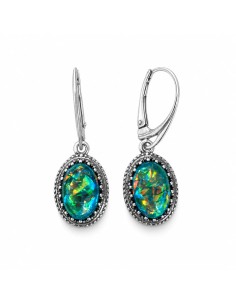
Natural opal is a form of hydrated silica. It contains roughly 3 to 21% water in its structure, which makes it sensitive to changes in temperature and humidity. It can crack with sudden changes, fade with long exposure to sunlight and lose its luster when it dries out. Perhaps it was this “instability” — a stone that changes its appearance depending on conditions — that inspired Scott to describe it as reacting to emotions. The opals in our collection are synthetic opals, created in a laboratory.
A pearl is an organic gem, built up by mollusks in layers of nacre (aragonite). It is soft on the Mohs scale (2.5–4.5) and sensitive to acids, perfume and sweat. Pearls can yellow and lose their luster if they aren’t cared for. That fragility may have strengthened the association with something fleeting and sad.
| Stone | Hardness (Mohs scale) | Main risks | Recommended care |
|---|
| Opal | 5.5–6.5 | Drying out, knocks, UV light | Store away from sunlight and avoid chemicals. |
| Pearl | 2.5–4.5 | Acids, perfume, sweat | Wipe with a soft cloth after wearing. |
Practical care tips:
- Store opals separately, ideally in a slightly humid environment or with a piece of damp sponge in the box.
- Put pearls on last, after perfume and hairspray.
- Clean both stones only with a soft, dry or slightly damp cloth, without detergents.
- Avoid ultrasonic jewelry cleaners, which can damage both stones, including the nacre that pearls are made of.
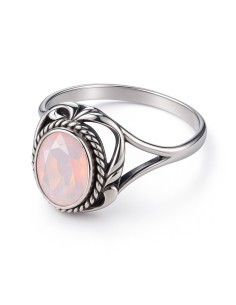
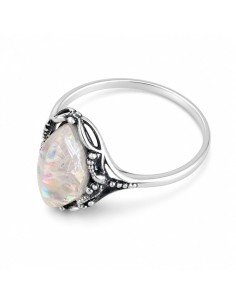
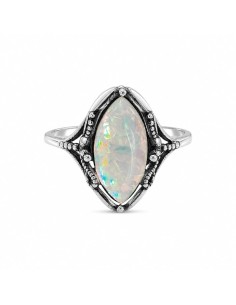
Opal and pearl jewelry in sterling silver 925, with a carefully made setting, is durable and easy to wear. That’s how we approach it at Polcarat Design: our pieces are cast and then hand-finished in our workshop in Rumia, Poland, where every stone is set by hand and checked for a secure setting, which greatly reduces the risk of mechanical damage.
Pro tip: It’s often said that a natural opal worn regularly against the skin keeps a better level of moisture. Paradoxically, the stone “lives” better when you wear it than when it lies forgotten in a drawer.
How does Polcarat Design respond to customers’ “opal = bad luck” concerns?
Polcarat Design has been making jewelry for more than 40 years and knows these concerns well. Customers ask about opals and pearls regularly, especially when choosing a gift or bridal jewelry. Our answer is always the same: education instead of silence.
One specific piece that can help you make a calm decision:
- The silver dolphin charm with a small pearl is an example of a piece that combines the subtle beauty of a pearl with a modern form — ideal if you want a pearl, but in a lighter, less “traditional” setting.
We believe every customer deserves complete information — including about what jewelry superstition says you shouldn’t wear — rather than having difficult questions brushed aside. That’s why articles like this one are part of our philosophy: before you buy, know what you’re buying and where its story comes from.
Do stones bring bad luck, or can pearls bring good luck? Key takeaways
Opals and pearls have no power to bring bad luck; their bad reputation comes from specific historical narratives that can be traced and understood — and in many cultures the pearl stands for positive values.
| Point | Details |
|---|
| Opals and bad luck | The superstition comes from Walter Scott’s 1829 novel, not from empirical observation. |
| Pearls and tears | An association from Polish folklore (the “angels’ tears” motif), reinforced by historical anecdotes. |
| Neutralizing the superstition | Pearls you buy yourself traditionally bring no bad luck; a gift can be “bought back” with a symbolic coin. |
| Practical wedding advice | If the family is sensitive to it, choose pearls as “something borrowed,” or pearl earrings instead of a necklace. |
| Polcarat Design | Offers jewelry with synthetic opals and pearls, with full stone descriptions and a clear return policy. |
Superstitions are real because we feel them, not because they work
Over years of working with jewelry, I’ve seen one thing clearly: superstitions about stones don’t disappear when someone debunks them. They disappear when a customer feels confident about her choice. That difference can’t be overstated.
Debunk the opal myth with facts, and some customers will still feel uneasy. Give the same customer a beautifully finished opal ring, tell her the story of the stone, show her how to care for it — and suddenly the opal becomes something special rather than “unlucky.” Knowledge changes emotions, but only when it’s offered with respect for the fear, not mockery.
Pearls at a wedding are a separate story. I understand that for many families this is a sensitive subject, because a wedding is the moment when fears about the future are strongest. I don’t say “ignore the superstition.” I say “understand it, then decide consciously.” Sometimes the best choice is a different stone. Sometimes a pearl with a card and its story is a gift more moving than anything else.
Jewelry superstitions are part of our culture and deserve to be taken seriously, even if gemology doesn’t support them.
Worry-free jewelry: what you’ll find at Polcarat Design
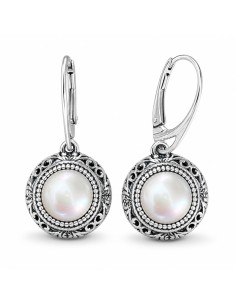
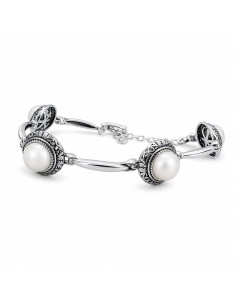
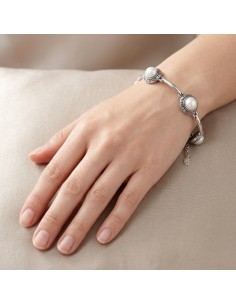
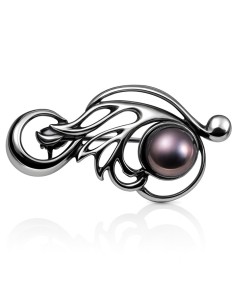
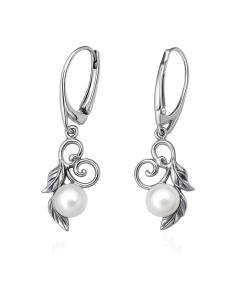
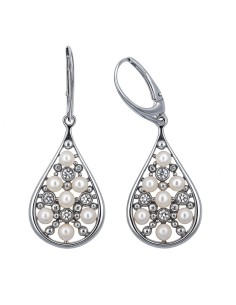
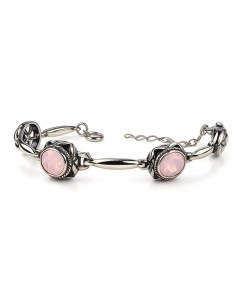
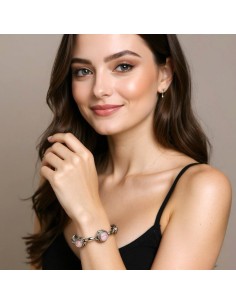
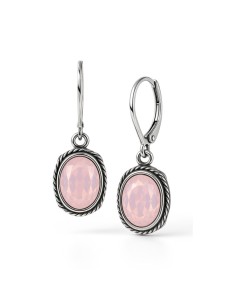
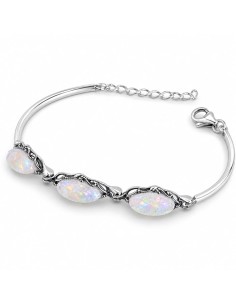
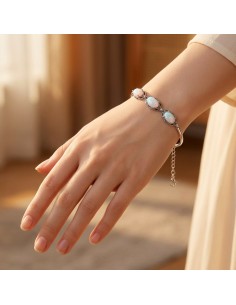
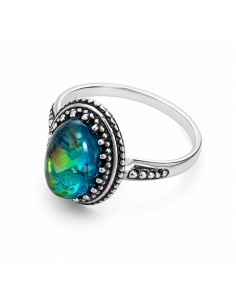
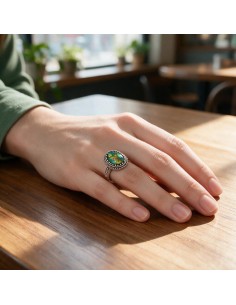
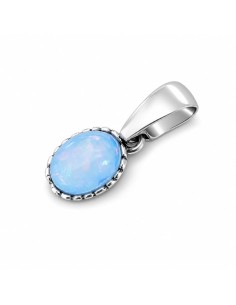
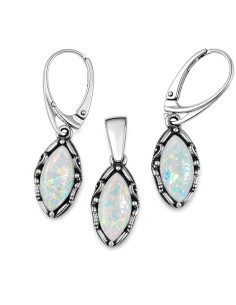
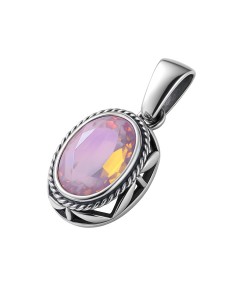
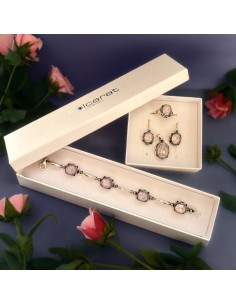
If you’re looking for jewelry that won’t leave you wondering whether it “brings bad luck,” we have a few specific suggestions, all free of superstition. A sterling silver bracelet adorned with crystals, a pendant with a crystal, or earrings with natural green agate make a lovely gift. These choices combine the beauty of the stones with a symbolically neutral history. And if you want a pearl in a modern form, the silver charm with a small pearl is a subtle, elegant compromise.
Every Polcarat Design piece is made of sterling silver 925, cast and hand-finished in our family workshop, and many designs are available in several stone colors. Our return policy gives you time to think your decision over without pressure. Browse our featured pieces and find something beautiful and symbolically reassuring.
Sources and further reading
Below are the materials this article is based on, including information about myths and superstitions surrounding jewelry. You can check each of them yourself.
| Source | Type | What you’ll find there |
|---|
| Walter Scott archive, Anne of Geierstein | Literary archive | A description of the 1829 novel and its context — the starting point of the opal myth |
| Dziennik.pl: “Do pearls really bring tears?” | Press article | Polish superstitions about pearls, historical examples (Gertruda Komorowska, Queen Bona) |
| Dziennik.pl: “This jewelry brings bad luck” | Lifestyle article | A list of popular superstitions and the role of the media in repeating them |
| Papilot: “All about jewelry superstitions” | Advice article | A comparison of pearl symbolism in different cultures, including Japan |
| Strona Kobiet: “What jewelry brings bad luck?” | Advice article | Practical advice on choosing jewelry and on wedding customs |
| Glamour Poland: “What brings bad luck? A few things” | Lifestyle article | A roundup of popular superstitions, including jewelry ones |
| Opal Auctions: “What is the curse about opals?” | Trade article (Australian market) | How the opal myth works and Scott’s influence on perceptions of the stone |
| Polcaratdesign.pl | Brand website | Sterling silver jewelry with pearls and a wide range of stones, with full stone descriptions |
Our picks







Comments (0)