- Silver Jewelry Tips
- 0 likes
- 471 views
- 0 comments
- sterling silver 925, crystal meanings, gemstone jewelry, aventurine, aventurine meaning, green aventurine, lucky stones
TL;DR:
- Aventurine is a sparkling variety of quartz that tradition calls a stone of luck and prosperity. It is durable enough for everyday jewelry, and many people like to keep it close — in a ring, a pendant or a pocket — as a small reminder to pause. If you buy it, choose a seller who clearly describes the stone, and clean it gently with mild soap and water.
Aventurine is one of those lucky stones that tend to get lost in the shadow of better-known gems — a pity, because its meaning and its shimmer are well worth discovering. If you are looking for a stone with a gentle story behind it, something to keep close on busier days, aventurine may be exactly what you need. It is not a miracle stone, and it doesn’t need to be. In this article we look at aventurine meaning in tradition, what the stone actually is, how people wear and use it and why so many choose it for very personal reasons.
What is aventurine in jewelry? Key takeaways
| Point | Details |
|---|---|
| Durability and versatility | With a hardness of 6.5–7 on the Mohs scale, aventurine is well suited to everyday jewelry and to carrying as a pocket stone. |
| Symbolic meaning | Traditionally associated with luck, prosperity and calm, aventurine is often used as a personal reminder to pause and breathe. |
| Rituals and small habits | Holding the stone, keeping it on your desk or wearing it daily can become a simple mindfulness habit — the meaning comes from what you do with it. |
| Caring for the stone | Clean it with lukewarm water and mild soap, and avoid long exposure to strong sunlight. |
| Buying with care | Choose sellers who clearly describe their stones, and look for the characteristic shimmer and fine inclusions. |
Aventurine characteristics: appearance and properties
Aventurine is a variety of quartz with one distinctive optical effect: aventurescence. This is a delicate, glittering reflection of light from microscopic mineral inclusions, most often fuchsite or hematite, that gives the stone its sparkle. You’ll see the effect especially in green aventurine when you turn it in your hands under the light. It is exactly this quality that makes the stone catch the eye straight away.
Aventurine has a hardness of 6.5–7 on the Mohs scale, which means it is hard enough to cope with everyday contact with skin, clothing and keys in a pocket. It doesn’t need special treatment when worn, although it’s best to avoid knocking it against hard surfaces.
Aventurine comes in several colors:
- Green (the most common, and the shade most often associated with luck and abundance)
- Red or orange (traditionally linked with energy and motivation)
- Blue (rarer, associated with communication and calm)
- White or gray (rare on the market, associated with neutrality and clarity)
| Color | Traditional symbolism | Popularity in jewelry |
|---|---|---|
| Green | Prosperity, luck, growth | Very high |
| Red | Energy, courage, motivation | Medium |
| Blue | Calm, communication | Low (rare) |
| White / gray | Clarity, neutrality | Very low |
Thanks to its durability and good looks, aventurine works equally well as rough pebbles and in silver settings, where it is often worn as a small good-luck charm. That is one reason aventurine jewelry is becoming more popular with designers and their customers.
Aventurine meaning and symbolism: between myth and practice
The history of aventurine is shorter and less mysterious than you might expect. The name comes from the Italian a ventura, meaning “by chance.” According to one theory, it was first given to aventurine glass — today better known as goldstone — which Venetian glassmakers are said to have discovered by accident. The stone took its name from the glass, not the other way around. This story shows how often layers of symbolism build up around minerals that have little to do with their actual history.
In crystal lore, aventurine is regarded as a stone of abundance, calm and focus, and it is popular with people who like their jewelry to carry personal meaning. Esoteric traditions link it to the heart chakra and say it encourages emotional balance and harmony in relationships.
So what can you realistically expect, and what not, when you choose aventurine? A few points worth keeping in mind:
- Aventurine won’t bring luck on its own if you put it on a shelf and forget about it.
- The stone can work as a tactile reminder that prompts you to stop and take a breath in a busy moment.
- Its value lies in its symbolism and in the habits you attach to it, not in magical properties.
- Traditionally, aventurine symbolizes growth, stability and courage, which makes it a meaningful companion when you face big decisions.
“The key isn’t the stone itself, but what you do when you touch it. A moment to pause, a breath, a return to yourself.”
Like many lesser-known stones with a clear symbolism, aventurine works best when you treat it as a cue for mindfulness — never as a substitute for therapy or professional help.
How to use aventurine every day — a stone of harmony, luck and prosperity
Enjoying aventurine doesn’t require specialist knowledge or an esoteric background. It starts with simple, repeatable gestures that turn into a habit over time. That consistency is what makes it meaningful.
Here are a few simple ideas you can try today:
- Hold it in a tense moment. When you feel under pressure, take the stone and hold it gently in your hand. Focusing on its weight and coolness gives you a small, physical cue to slow down for a moment.
- A short pause with the stone. Rest the aventurine in your palm, close your eyes and take five slow breaths. It takes two minutes — a small daily ritual many people enjoy.
- A stone on your desk. Place aventurine somewhere visible by your computer as a visual signal to pause. When your eyes land on it, remember to straighten your back and breathe.
- In your pocket. Simply touching the stone on a walk or during a phone call can become a familiar, grounding gesture. That is what it means to use aventurine as an everyday reminder.
- An evening ritual. Put the stone on your nightstand and, before you fall asleep, recall one good thing from your day. Here the aventurine becomes a physical anchor for that habit.
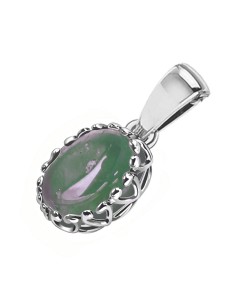
You can also wear the stone as jewelry — for example, a silver pendant with aventurine — so it’s always with you and you don’t have to worry about losing it.
Pro tip: Clean aventurine regularly with lukewarm water and mild soap, then dry it with a soft cloth. In crystal lore, some people also “cleanse” their stones with white sage smoke or full-moon light — a ritual rather than a care requirement. Avoid long exposure to strong sunlight, which may affect the color of the stone.

Luck and prosperity — aventurine in skincare and jewelry
Aventurine is one of those lesser-known stones that has made its way into the beauty world. Its popularity in facial massage comes down to its physical qualities: a smooth surface, a pleasantly cool feel and gentle pressure. In skincare it is used as a gua sha tool or a facial roller, applied over a serum or facial oil.
A few tips if you want to use aventurine in your skincare routine:
- Chill the tool in the fridge for a few minutes before use for an extra-cool feel.
- Wash the tool after each use with mild soap and water.
- Don’t use it on skin that is freshly inflamed or irritated.
- Used well, an aventurine tool can make your routine feel more pleasant, which makes it easier to stick to.
When it comes to jewelry, aventurine is one of those stones you can wear for years without it losing its charm. Because the stone is durable, aventurine rings, earrings and bracelets don’t require any special caution. Its subtle shimmer suits everyday outfits as well as dressier looks.
Below is a comparison of aventurine with other popular lucky stones, including jade and tiger’s eye, to help you choose the right one for you.
| Stone | Hardness (Mohs) | Traditional symbolism | Typical use |
|---|---|---|---|
| Aventurine | 6.5–7 | Abundance, calm, growth | Jewelry, massage tools, pocket stone |
| Amethyst | 7 | Intuition | Jewelry, meditation |
| Tiger’s eye | 6.5–7 | Confidence, courage | Jewelry, pocket stone |
| Rose quartz | 7 | Love, emotions | Jewelry, skincare tools |
| Turquoise | 5–6 | Communication | Jewelry, charms |
Stone of Luck
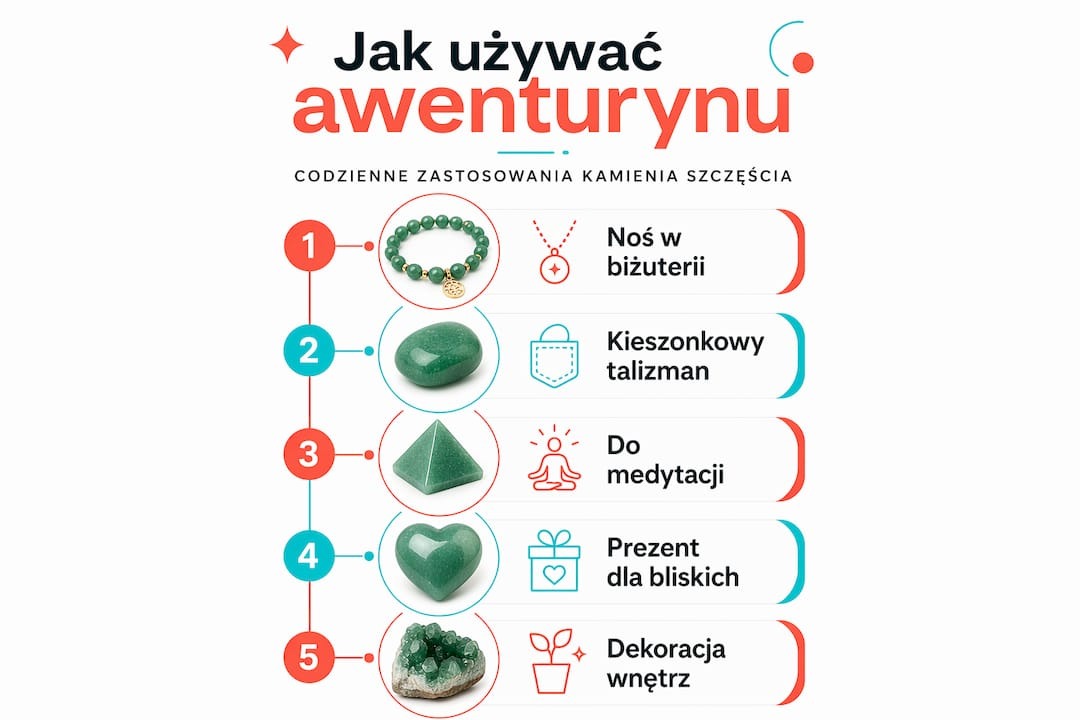
Everyday Ways to Use Aventurine
Wear it as jewelry
A silver pendant, ring or bracelet keeps the stone with you all day.
A pocket charm
Touching it on a walk or during a call can become a familiar everyday gesture.
A mindful pause
Rest it in your palm, close your eyes and take five slow breaths.
A gift for loved ones
Traditionally given as a good-luck charm — a small gift with meaning.
Home decor
On a desk or nightstand, it works as a visual cue to pause.
Aventurine’s meaning is a tradition and a symbol, not a promise of any effect.
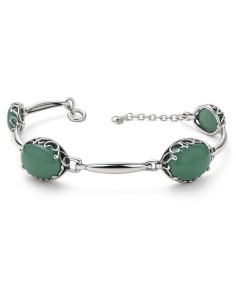
Pro tip: Silver is the ideal setting for aventurine, whatever its color. The metal brings out the cooler tones of the stone and is neutral enough not to overpower its subtle shimmer. A silver bracelet with aventurine is one of the most comfortable ways to keep the stone with you every day.
How to buy aventurine and avoid being fooled
The gemstone market is full of dyed stones and cheap imitations, so buying from a trustworthy seller really matters. Natural aventurine has a characteristic shimmer and fine inclusions that set it apart from artificial products.
What to look for when buying:
- Shimmer. Natural aventurine sparkles in the light, but the effect is subtle and irregular. If the stone looks like plastic, in a uniform and overly intense color, treat it as a warning sign.
- Inclusions. A good eye will spot tiny glittering inclusions inside the stone. A complete lack of inclusions may suggest glass or resin.
- Temperature. A natural stone stays cool to the touch longer than plastic or resin.
- Information from the seller. A reliable seller should tell you the stone’s mineral composition and, ideally, where it comes from.
- Common sense. Aventurine is an affordable stone, so an offer that looks too good to be true — or an inflated one with no explanation — deserves a closer look.
It’s best to buy aventurine from jewelers and sellers who specialize in gemstones and can give you full information about the product. Jewelers who set stones in silver themselves usually know their materials well and can answer your questions.
Our take on aventurine — how to wear it as a personal charm
Watching for years how people choose stones for everyday wear, we can say one thing: aventurine isn’t a stone for anyone looking for magic solutions. It suits people who like having a concrete, physical point of reference in the middle of a busy day.
A small green stone on a desk, for example, can become a reminder to do something that is easy to forget: take regular breaks. It sounds trivial, but when you have something with you that nudges you to pause, the habit tends to stick. Aventurine is not a replacement for therapy or professional support — it is simply a beautiful object that you can give a personal meaning.
There is one trap worth avoiding: expecting too much. People who buy a stone hoping for instant change are often disappointed after a week. Think of it instead as a companion to habits you are already building. If you practice small moments of mindfulness, aventurine can become a subtle, tangible part of them.
A stone won’t change your day for you — but it can be a small, beautiful reminder to pause.
Aventurine jewelry — a stone of optimism
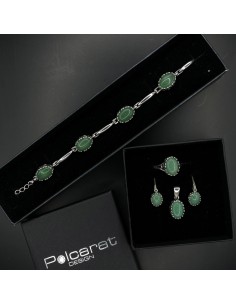
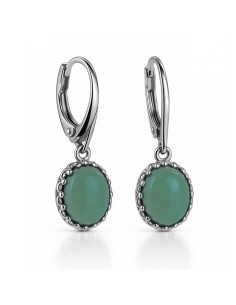
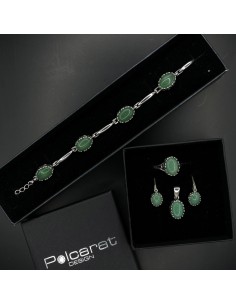
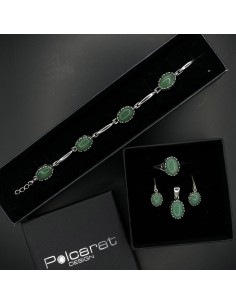
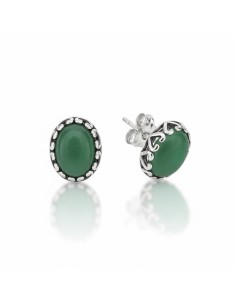
If you’d like to keep aventurine close in a beautiful, durable form, Polcarat Design offers 925 sterling silver jewelry with natural aventurine, cast and hand-finished in our family workshop in Rumia, Poland. In the collection you’ll find aventurine earrings for everyday wear, delicate pendants and aventurine rings — traditionally worn as stones of luck — that easily become part of your daily routine. The silver setting brings out the stone’s gentle shimmer. For anyone looking for a gift that combines symbolism and good looks, silver gemstone jewelry from Polcarat Design brings together careful craftsmanship and a deeper meaning.
Aventurine meaning: FAQ
What is aventurine, and why is it called a stone of luck?
Aventurine is a variety of quartz with a characteristic shimmer, traditionally regarded as a stone of luck and prosperity and worn as a good-luck charm. Its reputation comes from long-standing symbolism and folklore rather than from any proven effect.
How do people use aventurine in everyday life?
Many people keep aventurine in a pocket or wear it as jewelry and reach for it consciously in busy moments as a reminder to pause. Regular habits and personal intention matter more than simply owning the stone.
How do you cleanse aventurine at home?
For physical cleaning, use lukewarm water with mild soap and dry the stone with a soft cloth. In crystal lore, some owners also “cleanse” it with white sage smoke or by leaving it overnight in full-moon light. Avoid long exposure to direct sunlight, which may affect the stone’s color.
What colors of aventurine are there, and which is best?
The most popular is green aventurine, associated with luck and abundance. Red is traditionally linked with energy and motivation, and blue with calm. There is no single “best” variety — it all comes down to which color and symbolism speak to you.
How can you tell natural aventurine from a fake?
Natural aventurine has a subtle, irregular shimmer, visible fine inclusions and feels cool to the touch. Plastic and dyed glass warm up quickly in your hand, while natural aventurine stays cool longer and shows depth in its color.
Comments (0)