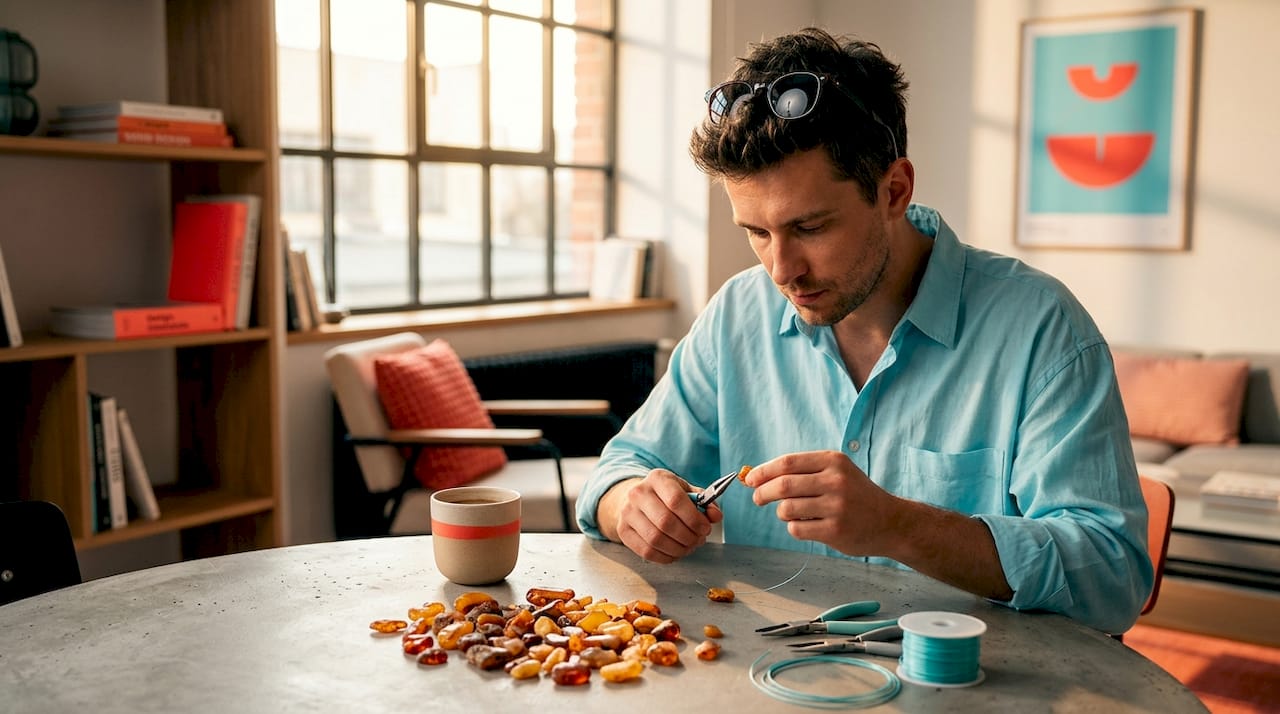
Person stringing raw Baltic amber pieces at a home table


TL;DR:

  • Baltic amber is fossilized resin from conifer trees that grew more than 40 million years ago — it is not a mineral. The resin formed in the Eocene and ended up in marine sediments, which makes every piece a remarkable natural relic. It is collected mainly after strong storms on the Polish coast, and simple salt-water and touch tests help you recognize it.

Baltic amber has fascinated people for thousands of years, yet it still holds plenty of surprises — including the story of “blue amber.” Did you know it isn’t a stone at all, but fossilized resin from conifer trees that lived over 40 million years ago? That is where the story of the “gold of the Baltic” begins. In this article you’ll find lesser-known Baltic amber facts that combine the science with practical tips: how to recognize real amber, where to look for it and the truth about its supposed healing properties. Get ready to see this natural treasure in a new light.

Fossil resin and amber jewelry — key takeaways

PointDetails
Amber is fossilized resinIt formed in the Eocene from conifer resin and is neither a mineral nor a stone.
Storms are a collector’s best friendAfter strong storms, far more amber washes up on Baltic beaches.
The salt-water test works at homeGenuine amber floats in saturated salt water, which sets it apart from glass and most plastics.
Inclusions add valueInsects and plant fragments trapped in amber are prized specimens with high collector value.
Amber categories matterNatural, modified and reconstructed amber differ in their properties and value when you buy jewelry.

Baltic amber facts: what you may not know about the gold of the Baltic

Before we get into the details, let’s answer the most basic question. What is amber? It is an organic gem material, not a mineral. Scientists know it as succinite and classify it as a fossil tree resin found mainly around the Baltic Sea, containing 3 to 8% succinic acid. This particular acid content is what sets Baltic amber apart from other kinds of amber around the world.

The deeper you dig into Baltic amber facts, the more remarkable they get. Resin flowed from conifer trees roughly 40 to 50 million years ago, settled into sediments and then, over ages of water and geological pressure, turned into a hard organic substance with a golden glow. That history is written into every piece you pick up on the beach.

How Baltic amber forms — real amber doesn’t just come from the beach

The Eocene was a time when dense conifer forests covered what is now Scandinavia and northern Europe. The resin of these trees flowed, hardened and eventually ended up in marine sediments, where amber hunters later found it. From there, the Baltic Sea still washes it ashore today, where you can find amber nuggets of all shapes and sizes.

A few key facts about how amber forms:

  • The source trees were probably pines (Pinus) or related conifers, although the exact species is still being researched.
  • The time it takes for resin to fully fossilize is measured in tens of millions of years, so every specimen is a natural relic — and a nugget from the Baltic Sea is especially prized.
  • Succinite, the scientific name, comes from its succinic acid content, a chemical marker characteristic of Baltic amber.
  • Dominican amber comes from the Caribbean. It is younger (about 20 million years old) and lacks the characteristic succinic acid content. The differences between amber varieties are noticeable to both scientists and experienced jewelers.
  • Raw material quality depends on the conditions in which the resin was stored for millions of years. Cleaner sediment usually means cleaner, more transparent amber.

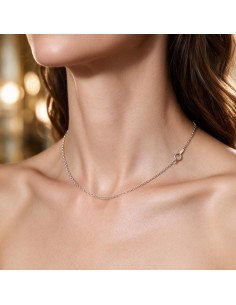
This history is why every amber pendant worn around the neck is literally a fragment of an ancient forest — and why, traditionally, some people have treated amber pieces as amulets. It’s worth remembering the next time you look at your jewelry.

Where and how to find amber on the Baltic coast — what the sea washes ashore

Amber hunting is a tradition that has survived for centuries on the Polish coast. Some of the best spots on the Baltic are Gdańsk, Jantar, Krynica Morska, Stegna and Kołobrzeg. Jantar — whose name literally means “amber” — is a true center of amber hunting.

Here is how to improve your chances of a find:

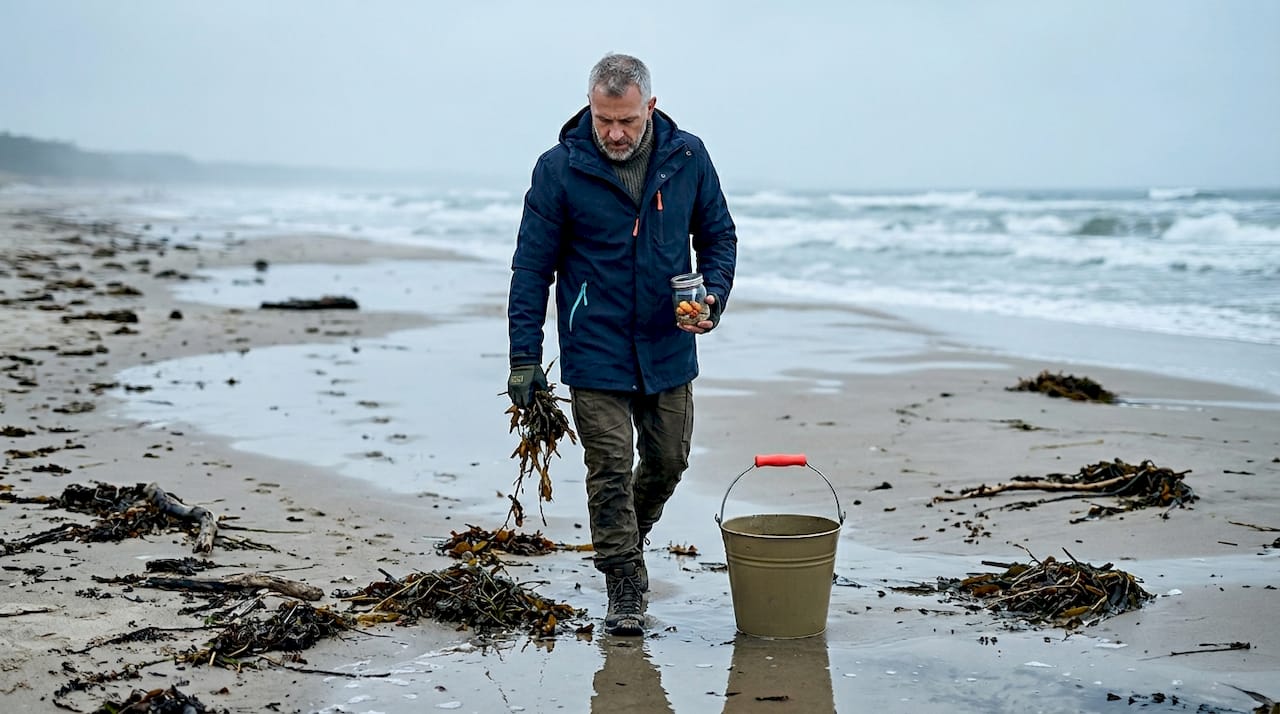
  1. Pick the right moment. The best time is a few hours after a strong storm, when the waves wash amber out of underwater sediments and throw it onto the shore.
  2. Search along the waterline. Amber collects together with seaweed and sea foam, so scan exactly that zone.
  3. Watch the color and shape. Raw amber is often matte, milky white or yellowish. It doesn’t have to shine to be valuable.
  4. Check how light the pieces are. Amber is very light. A pebble of similar size will feel noticeably heavier in your hand.
  5. Look for inclusions. Insects or plant fragments trapped in amber are a real treasure, for collectors and scientists alike.

After exceptionally strong storms, some beaches yield surprising amounts of amber — a phenomenon that locals call the “amber harvest.”

Pro tip: Take a jar of saturated salt water to the beach. If you’re not sure about a find, drop it in right there. Amber will float; a pebble will sink.

Man searching for amber on a Baltic Sea beach

How to tell if amber is real

The market is full of imitations. Plastic, glass and even synthetic resins can look deceptively like amber, but only natural Baltic amber has its distinctive properties. Fortunately, a few simple tests are enough to avoid being fooled.

  • Salt-water test. Dissolve about 3 tablespoons of salt in a glass of water. Genuine amber floats on the surface of the saturated salt water, while glass and most plastics sink.
  • Touch test. This is a key way to tell real amber from synthetics. Amber feels warm to the touch and quickly takes on body temperature. Glass stays cold for a while, even in a warm hand.
  • UV test. Under an ultraviolet lamp, genuine amber glows with a characteristic blue-green or whitish light. Plastic and glass react differently or not at all.
  • Smell test. Rubbing amber on fabric or warming it gently releases a pine-resin scent that is hard to imitate in synthetics.
  • Visual check. Real amber has natural irregularities: bubbles, streaks and flow lines. Specimens that look too perfectly uniform should make you suspicious.

Pro tip: Avoid flame tests on finished jewelry. Heating amber the wrong way can permanently damage the surface of a valuable piece. Use testing methods sparingly and only on raw material.

Colors, inclusions and the value of amber

Baltic amber isn’t just one color — one of the most surprising Baltic amber facts, and one that astonishes even experts. The range of colors depends on the number of gas bubbles, the type of inclusions and how much the material has oxidized. Every shade tells a different geological story.

Amber guide

Types of Amber — Value Hierarchy

NaturalUntreated Baltic amber, clear or milky; inclusions add valueTop of the pyramid
ModifiedNatural amber heated to change its color or clarityMiddle tier; should be disclosed
ReconstructedPressed from small amber fragments, with a uniform lookMiddle tier
PowderedAmber ground into powder rather than set as a gemBase of the pyramid

Ask the seller whether amber is natural, modified or reconstructed.

Type of amberCharacteristicsValue in jewelry
Natural, transparentGolden, clear, no cloudinessHigh, especially with inclusions
Natural, milkyWhite or cream, rich in bubblesMedium, with an original character
ModifiedHeated to change its color or clarityLower; should be disclosed
ReconstructedPressed from small fragments, uniform lookLowest

Amber categories are crucial when you buy jewelry. Natural amber is the most valuable. Reconstructed amber is made by pressing fragments together and can differ in its physical properties from natural amber, which matters especially to collectors and jewelers.

Inclusions are a category of value in their own right. Insects and plant fragments trapped in amber provide valuable paleontological data and help reconstruct ecosystems from tens of millions of years ago. A specimen with a well-preserved insect can be worth many times more than a similar piece without inclusions.

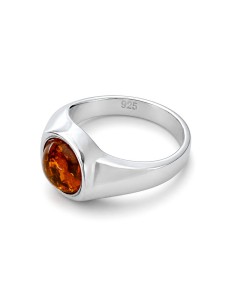
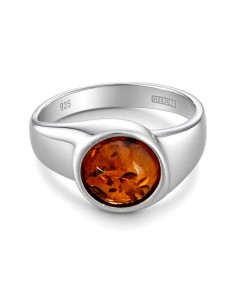
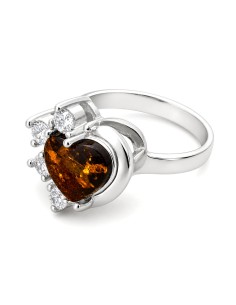
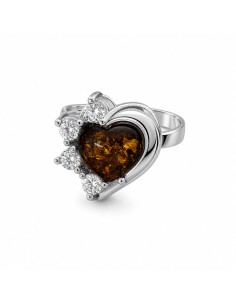
In Poland, the tradition of amber craftsmanship dates back to the Middle Ages. Amber was used for rosaries, crosses and ornaments, and the famous Amber Room remains a symbol of the material’s highest achievement in art. Today’s jewelers pair amber with 925 sterling silver in refined cabochons, pendants and rings that carry this tradition forward in a modern form.

Myths about amber’s healing properties — folk tradition vs facts

This topic stirs up strong feelings. The belief that amber heals, supports the immune system or soothes pain is deeply rooted in Polish folk tradition. It’s worth separating what is known from what is only legend, especially when it comes to amber jewelry.

  • No clinical evidence. Despite how popular these beliefs are, there are no solid clinical studies confirming that wearing amber jewelry has any healing effect.
  • Succinic acid in products. Amber extracts are used in cosmetics and supplements, but that is an entirely different use from wearing a piece of amber around your neck.
  • Sentimental value is real. A piece you associate with good memories can mean a lot to you — but that is about emotion, not chemistry.
  • Tradition has cultural value. Amber necklaces for babies and amber bracelets for adults are popular because of tradition, but they should never replace proper medical care. Health authorities, including the US FDA, warn against teething necklaces for infants because of the risk of choking and strangulation.

Treat amber as a beautiful natural material with a rich history. That’s reason enough to appreciate it fully.

What we’ve learned from years of working with amber

Watching how people shop for amber jewelry, one thing stands out: the biggest mistake is not knowing the amber categories. Buyers sometimes pay extra for reconstructed amber in the belief that they are getting a natural specimen.

The salt-water test on the beach really is a game changer. A jar of salt water quickly weeds out pieces of sea glass that look like amber at first glance, and that simple check gives you a lot of confidence when collecting.

What surprises many people most is how much the shades of Baltic amber differ. “Amber-colored” sounds like a single color, but in reality the spectrum is wide: from almost white through milky, cream and gold to deep cognac and almost black. Each shade has its own geological logic and its own aesthetic appeal in jewelry.

If we had one piece of advice for anyone who wants to buy amber jewelry, it would be this: ask the seller directly whether the amber is natural, modified or reconstructed. A good jeweler will always answer without hesitation. If they don’t know or change the subject, keep looking.

Baltic amber jewelry in silver

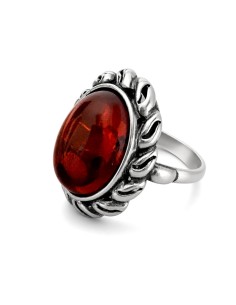
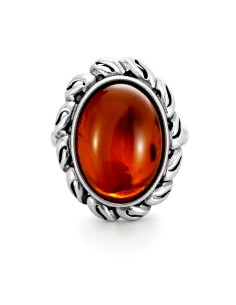
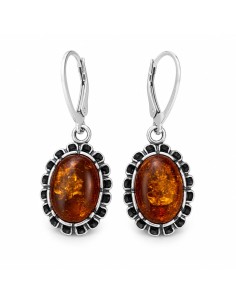
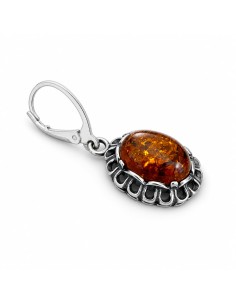
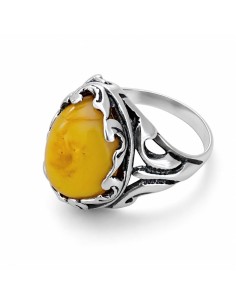
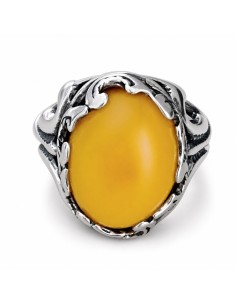
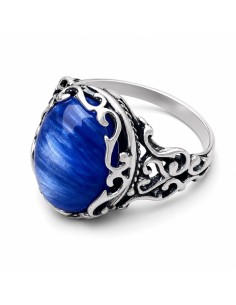
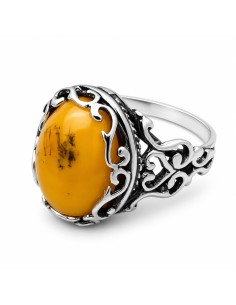
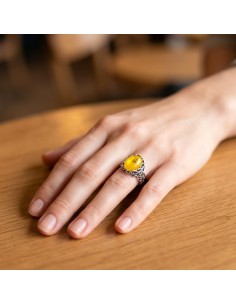
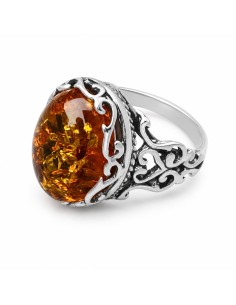
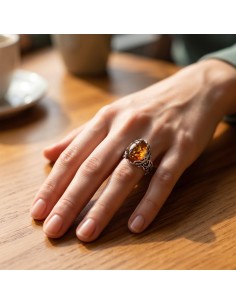
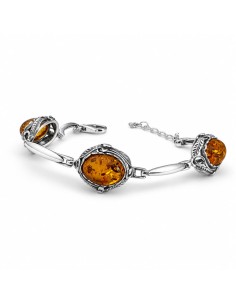
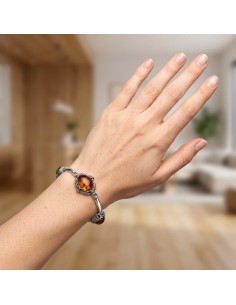
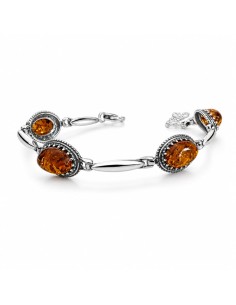
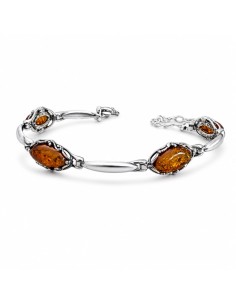
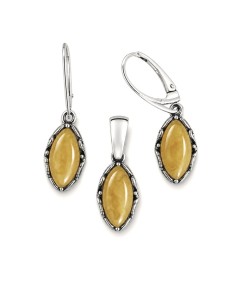
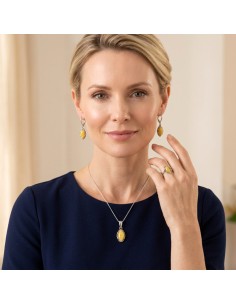
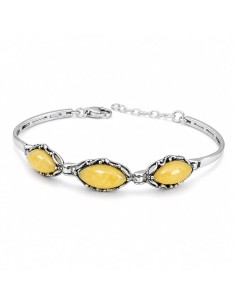
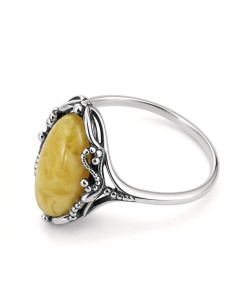
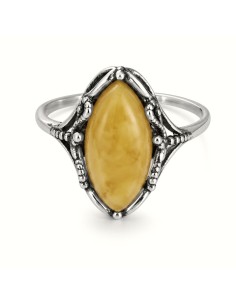
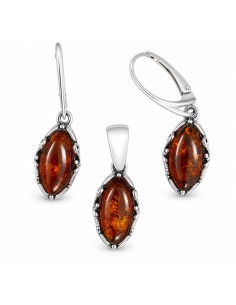
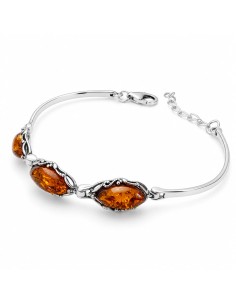
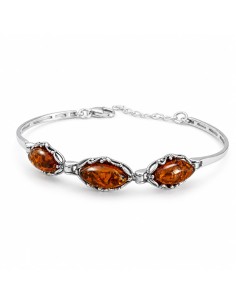
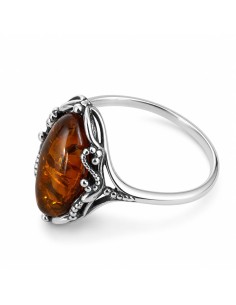
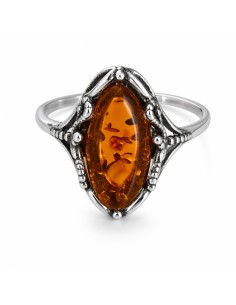
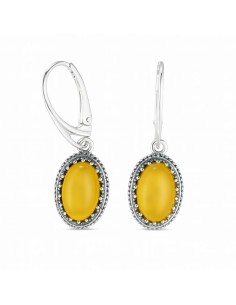
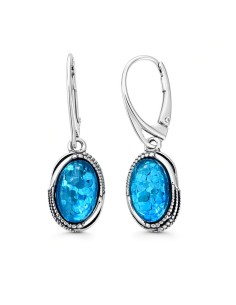
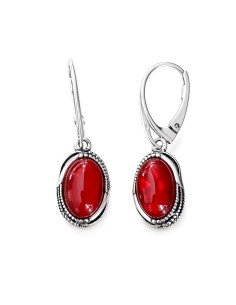
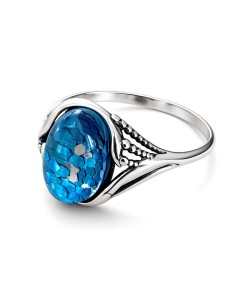
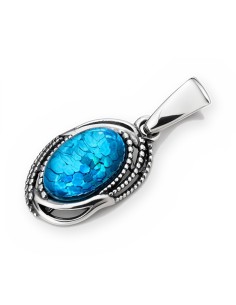
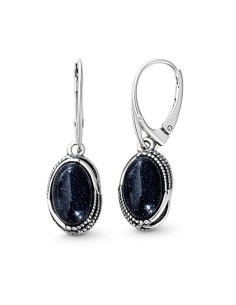
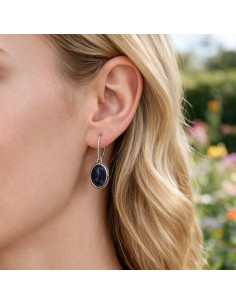
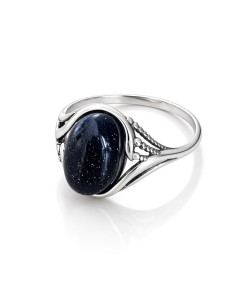
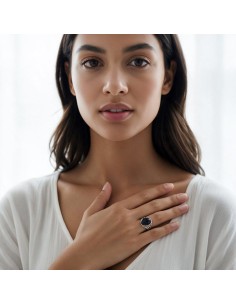
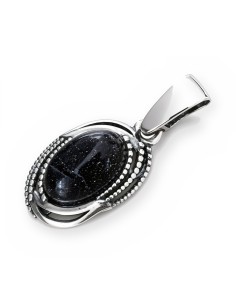
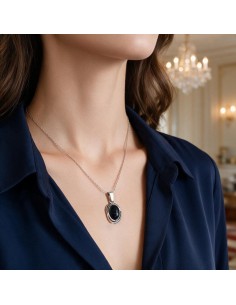
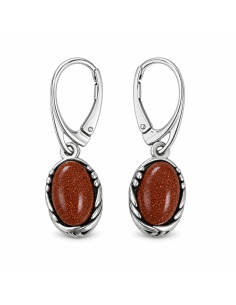
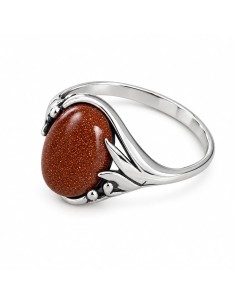
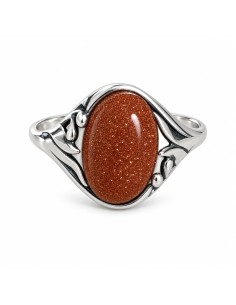
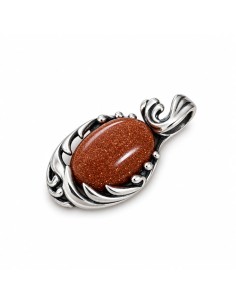
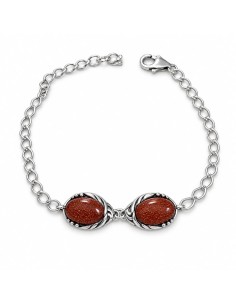
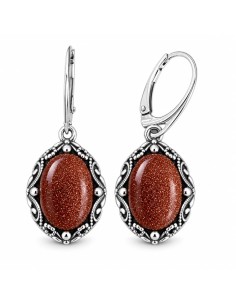
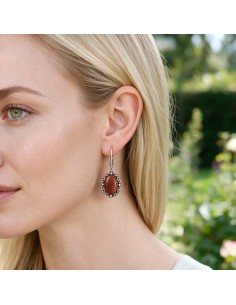
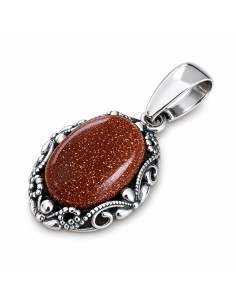
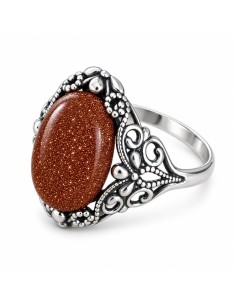
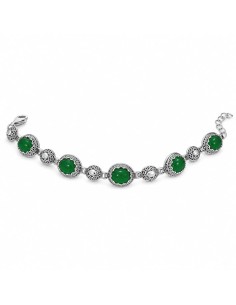
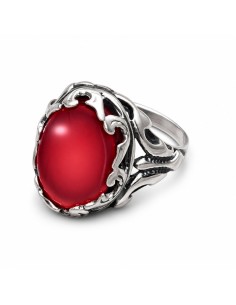
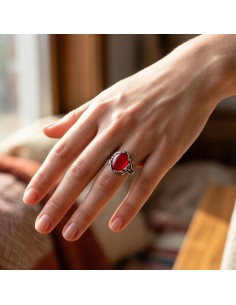
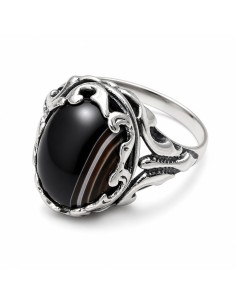
Knowing about amber makes the most sense when you put it to use in choosing beautiful jewelry. At Polcarat Design you’ll find 925 sterling silver pieces with natural Baltic amber, cast and hand-finished in our family workshop in Rumia, Poland, with each stone carefully chosen for its color and texture. An elegant silver bracelet with Baltic amber makes a gift that carries millions of years of history combined with modern jewelry craftsmanship. If you’re looking for something more classic, amber rings in a 925 silver setting and Baltic amber earrings will complete any outfit. At Polcarat Design, the natural beauty of Baltic gold meets careful attention to every detail.

Baltic amber facts: FAQ

What is the difference between Baltic and Dominican amber? And what is blue amber?

Baltic amber, known as succinite, contains 3 to 8% succinic acid and dates from the Eocene. Dominican amber is about 20 million years younger and doesn’t contain this characteristic amount of acid. The rare “blue amber” prized by collectors also comes from the Dominican Republic.

How can I check if amber is real at home?

The simplest way is the salt-water test: genuine amber floats in saturated salt water, while plastic and glass sink. Amber also feels warm to the touch and glows blue-green under a UV lamp.

What are the categories of Baltic amber?

There are four categories: natural (untreated), modified (heated), reconstructed (pressed from small fragments) and bonded. The category directly affects the value and properties of the material.

Does amber really have healing powers?

There are no confirmed clinical studies showing that wearing amber jewelry has any healing effect. It’s best to think of amber as a beautiful natural material with cultural value, not as a therapy.

Where is the best place to look for amber in Poland?

The best spots are the beaches around Jantar, Krynica Morska, Stegna and Kołobrzeg, where you can find the most amber nuggets. Your chances rise significantly a few hours after a storm, when the waves throw amber from underwater deposits onto the shore — and many enthusiasts search with a UV flashlight.

Comments (0)

No comments at this moment
Product added to wishlist