3. How to choose the right birthstone before you buy
Choosing a birthstone combines tradition with personal taste — and, for some people, with their zodiac stone. There are three systems for assigning stones: the modern one (the US standard from 1912), the traditional European one and the mystical Tibetan one. Each offers different options, so if the stone for your month doesn’t appeal to you, you can pick an alternative from another tradition.
Before you buy, consider a few practical points, whether you’re choosing a birthstone ring, earrings or a necklace:
- Mohs hardness: stones below 7 (such as opal or pearl) need gentler handling and aren’t suited to rings worn every day
- Purpose: for everyday wear, choose hard stones (sapphire, ruby, diamond); for occasional wear, you can go for more delicate ones
- Color and style: the stone should suit your wardrobe and skin tone
- The tradition that suits you: the modern list is the best known, but the traditional or mystical one may offer a stone closer to your personality
A stone’s Mohs hardness directly affects how durable the jewelry is and how well it copes with daily wear. A stone with a hardness of 8 or above can handle years of frequent wear without visible scratches.
Pro tip: A gold setting brings out warm-toned stones such as garnet or topaz, while silver contrasts beautifully with the cool colors of sapphire, aquamarine and amethyst. Think of the metal as the background of a painting: it either brings out or mutes the color of your birthstone.
4. Why birthstones keep growing in popularity
Birthstones are no longer just a jewelry curiosity — they have become part of a considered personal style. A birthstone expresses personality and the values that matter to you. It isn’t a passing trend, and many people find real meaning in their birthstone. It’s this deeper layer of meaning that draws more and more women to gemstone jewelry.
The growing popularity of birthstones has several causes:
- A personal choice: birthstone jewelry feels personal and is hard to confuse with mass-produced accessories
- Emotional meaning: a stone kept as a talisman carries a story and an intention, which makes it a thoughtful gift
- Aesthetic variety: 12 different stones mean 12 different color palettes and moods, so every month has its own distinctive birthstone
- Symbolism: in crystal lore, the colors and structure of stones are linked with particular traits and zodiac signs — a matter of belief rather than proven effect
Gemstone jewelry also fits a wider trend toward more thoughtful shopping. Women increasingly choose pieces with a story and meaning over anonymous accessories. A birthstone answers the wish for something personal that mass-market jewelry rarely satisfies, and the choice is often tied to a person’s zodiac sign and date of birth.
Birthstones by month and zodiac — key takeaways
Your birthstone by month is a great starting point for choosing jewelry that combines personal meaning with lasting beauty and symbolism.
| Point | Details |
|---|
| The 1912 standard | Each of the 12 months has a specific gemstone according to the list adopted in 1912. |
| Three traditions | The modern, traditional European and mystical Tibetan lists offer different stones for the same month. |
| Hardness determines use | Stones below 7 on the Mohs scale aren’t suited to everyday rings. |
| The setting shapes the look | Silver brings out cool colors, while gold enhances warm tones. |
| A stone as self-expression | Choosing a birthstone is a personal decision, not just a fashion one. |
Our view on birthstones: what really matters
Over years of watching women choose jewelry, I’ve noticed one pattern: many of them are guided by the meaning of their birthstone. Most start with the question “Which stone is mine?” and end with “Which stone feels like mine?” It’s a subtle but important difference.
A birthstone is a great starting point because it gives you a concrete answer in a sea of options. But the most beautiful jewelry I’ve seen on women is the kind whose owner could say why she chose it. Not “because it’s my birthstone,” but “because this color calms me” or “because I received it at an important moment in my life.”
A practical note: don’t be afraid to choose a stone from another month if the traditional or mystical list offers something closer to your character. A sodalite pendant can be just as personal as an emerald for someone born in May, if sodalite is the stone that speaks to you. Birthstones by date of birth are a tradition, not a rule.
The mistake I see most often is buying a stone purely to match an outfit, without a thought for what it means to you. A gemstone deserves a deeper reason. When you choose it deliberately, it becomes more than an accessory — it becomes a story about you.
Birthstone jewelry from Polcarat Design
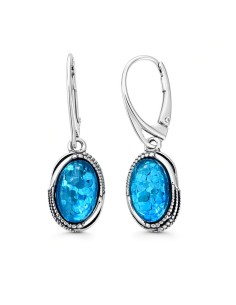
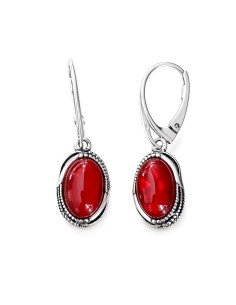
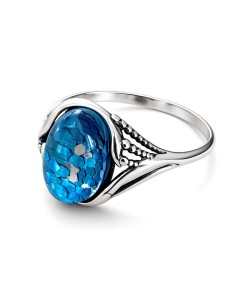
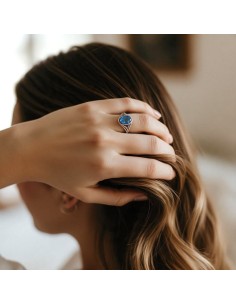
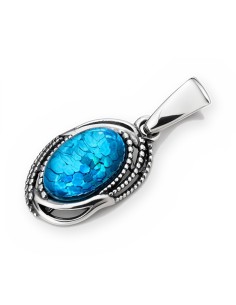
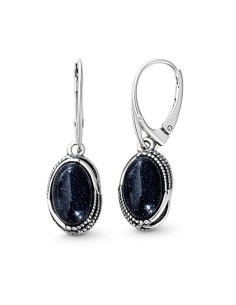
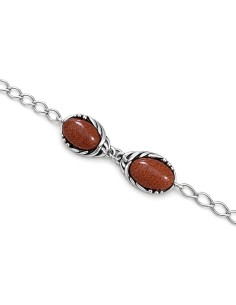
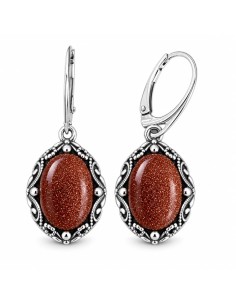
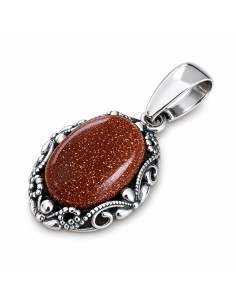
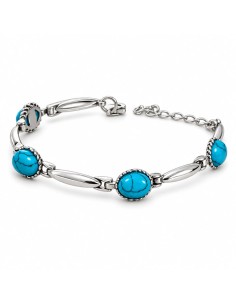
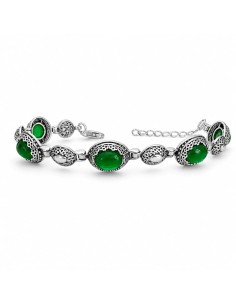
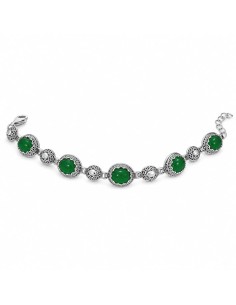
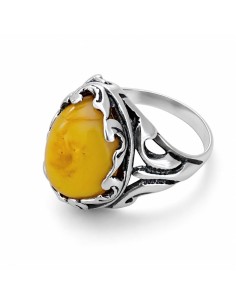
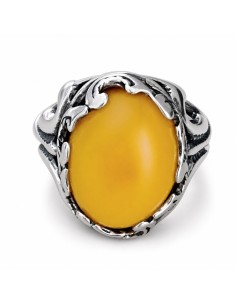
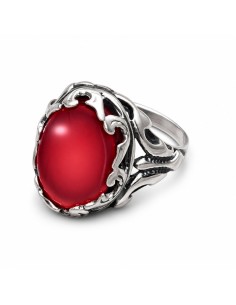
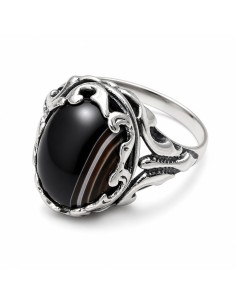
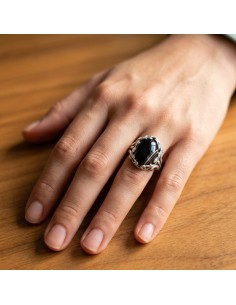
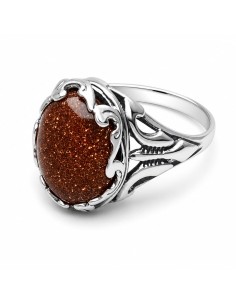
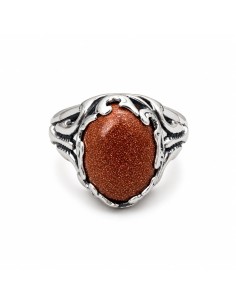
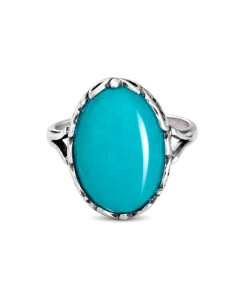
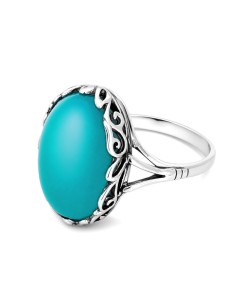
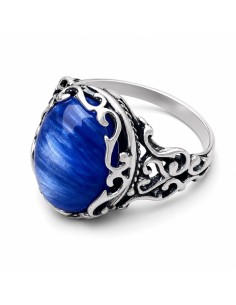
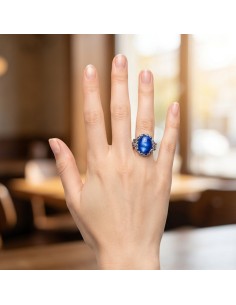
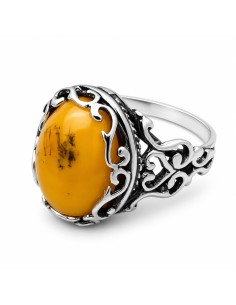
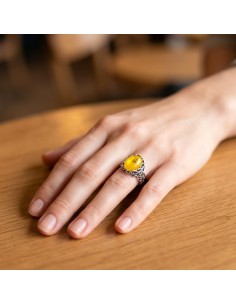
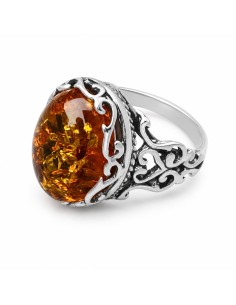
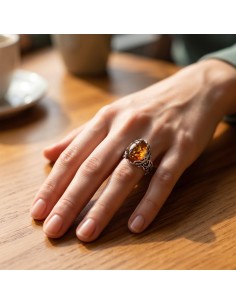
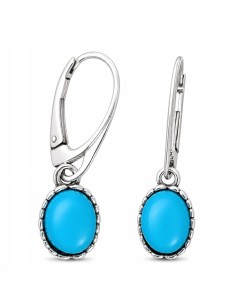
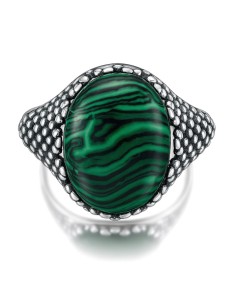
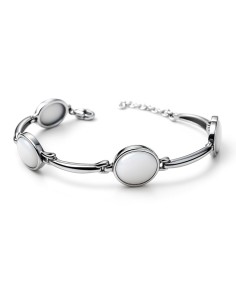
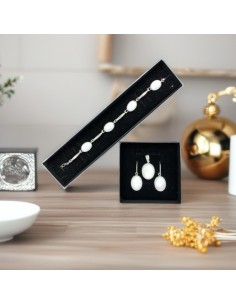
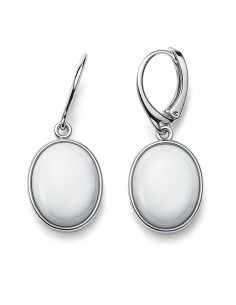
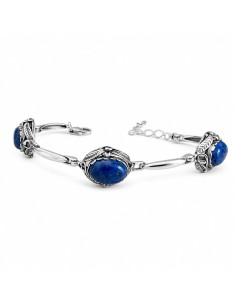
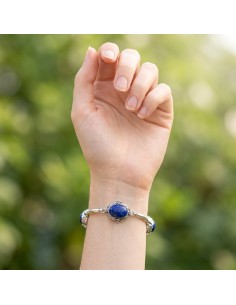
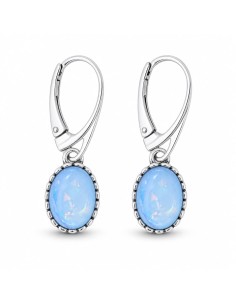
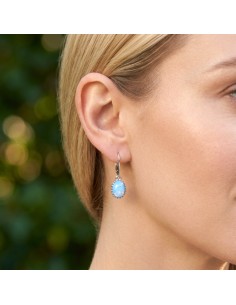
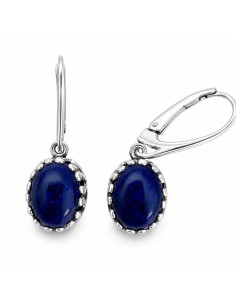
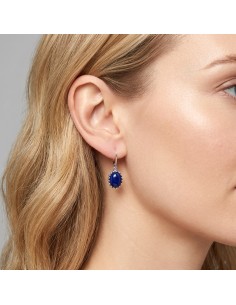
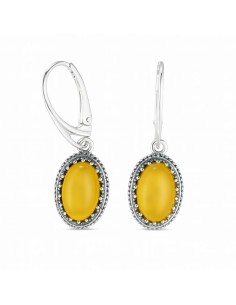
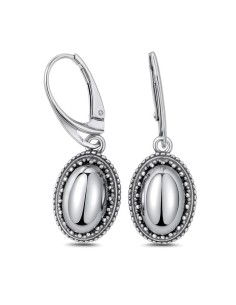
Polcarat Design makes 925 sterling silver jewelry with gemstones in our family workshop in Rumia, Poland — cast and hand-finished, with more than 40 years of experience since 1984. You’ll find ruby pendants for July birthdays, sterling silver bracelets with crystals, and rings and earrings with a wide range of stones; the type of each stone — natural, reconstructed or synthetic — is stated in the product description. Any of them makes a thoughtful birthday gift or a keepsake for yourself. Polcarat Design jewelry pairs classic design with the beauty of stones that carry meaning and history.
Frequently asked questions — how to choose your birthstone
What is the May birthstone?
The May birthstone is emerald. It symbolizes hope, renewal and fertility, and its intense green pairs beautifully with both silver and gold.
Can I wear a stone from a month other than my own?
Yes — choosing a birthstone is a personal matter. The modern, European and mystical traditions assign different stones to each month, so you have complete freedom of choice.
Which birthstone is the hardest?
The hardest birthstones are diamond (April), ruby (July) and sapphire (September), all rating 9–10 on the Mohs scale. They are suitable for everyday wear in any form of jewelry.
How do I choose a setting for my birthstone?
Silver brings out the cool colors of stones such as sapphire, amethyst and aquamarine. Gold works better with the warm tones of garnet, topaz and ruby.
Do birthstones have energy properties?
In crystal lore, the colors and structure of stones are linked with harmony and balance in everyday life — a belief with deep roots in Tibetan and European traditions. There is no scientific evidence for such effects, so it’s best to treat a birthstone as a meaningful symbol rather than a remedy.
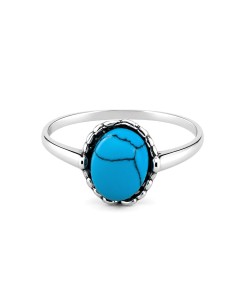
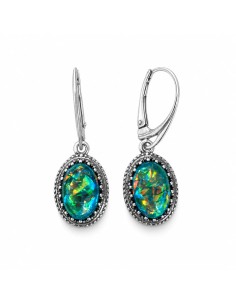
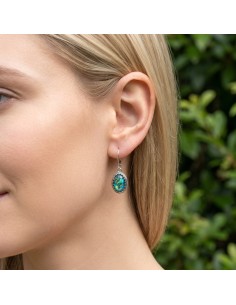
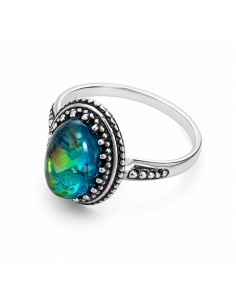
Our picks





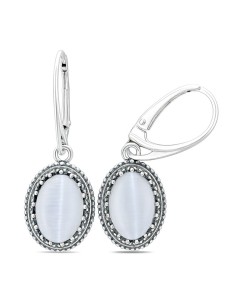
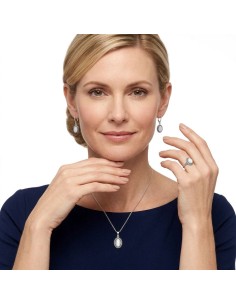
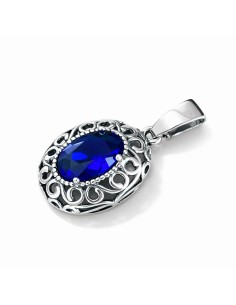
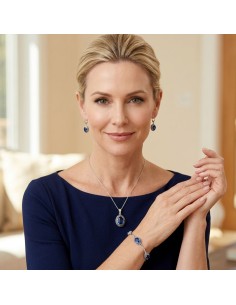
Comments (0)