Cameo Jewelry in Sterling Silver: History, Meaning and Style

Cameo jewelry: key takeaways

TopicDetails
The cameo as jewelry artA cameo is a distinctive piece of jewelry that combines traditional craftsmanship with deep symbolism and has fascinated collectors for centuries.
Choosing qualityWhen buying a cameo, look at the precision of the carving and the contrast between the relief and the background.
Valuing a cameoA cameo’s value depends on the quality of the work, its condition and its historical provenance.
Caring for a collectionProtect cameos from moisture and chemicals, and care for their silver settings regularly.

Cameo jewelry in silver: definition and tradition

Cameo jewelry is captivating because it combines fine craftsmanship with deep symbolism. A cameo is a carved gem made of a precious or semi-precious stone and decorated with a raised relief — a true work of art that has fascinated collectors and lovers of beauty for centuries.

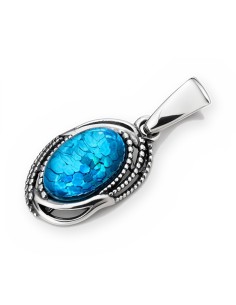
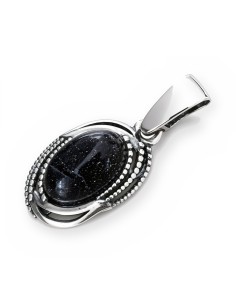
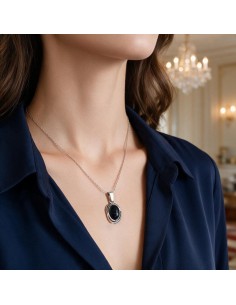
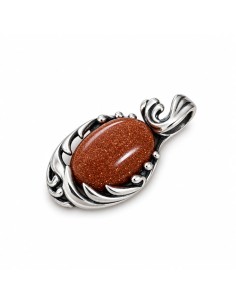
Cameos date back to the ancient civilizations of Greece, Rome and Byzantium, where they served not only as ornaments but also as symbols. They most often depicted rulers, deities or elaborate mythological scenes. A silver setting has always shown a cameo at its best, as this sterling silver cameo pendant shows — and it makes a lovely complement to any jewelry set or a thoughtful birthday gift. The setting emphasized the cameo’s special character and was at the same time a sign of social status and refined taste, a quality that still defines vintage style today.

In the jewelry tradition, cameos were first carved in stone and later also in shell, then carefully set in silver or gold, which made them treasured pieces for any woman. This noble, malleable metal complemented the delicate reliefs perfectly, creating exceptionally elegant ornaments. For centuries, cameos were also treated as precious amulets, meant not only to catch the eye but also to carry a particular symbolic meaning.

Expert tip: When choosing a cameo, pay attention to its shape — a distinctive outline can add character to your whole jewelry set. When choosing a cameo in silver, look closely at the quality of the relief and how precisely the stone sits in its setting — that is the true mark of craftsmanship.

The most popular cameo materials and motifs

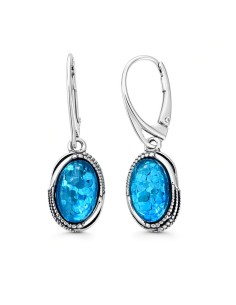
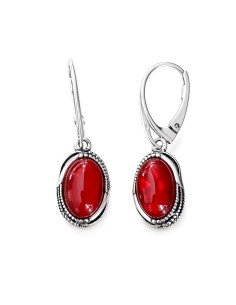
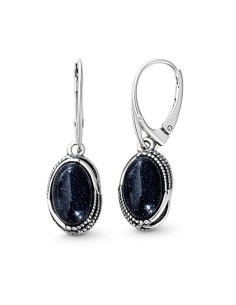
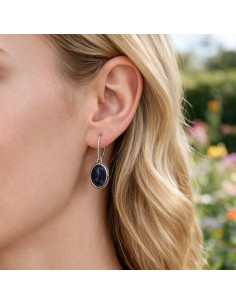
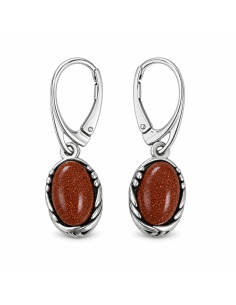
The world of cameos offers an extraordinarily rich palette of materials and motifs that have fascinated collectors and artists for centuries. Natural stones are the foundation of this art form, offering great depth and variety of color — which also makes cameos a great match for silver earrings.

The most commonly used materials include onyx, sardonyx, carnelian and agate. Each of these stones has its own optical and structural properties that allow carvers to create remarkably subtle yet expressive reliefs. This sterling silver brooch with amber shows how harmoniously different materials can be combined in a single piece.

A jeweler setting a cameo into a sterling silver brooch

The table below compares the materials most often used for cameos and their visual qualities. In recent years, resin has also become a popular choice.

MaterialLook/colorArtistic strengths
OnyxBlack and whiteStrong contrast in the relief
SardonyxReddish brownWarm, earthy tones
CarnelianRed-orangeWarm, luminous glow
AgateLayered, multicoloredClear separation between the scene and the background
ShellLight, creamyDelicate, soft effect

The motifs on cameos are just as rich and varied. Traditionally, artists depicted mythological scenes, portraits of rulers, allegories and images of deities, and many of these designs still inspire vintage style today. Animal and floral motifs also appeared, symbolizing particular values or telling complex stories. Compositions were especially prized when the layered structure of the material — shell or onyx, for example — allowed the relief to stand out clearly from the background, creating a remarkably sculptural effect.

Expert tip: When choosing a cameo, look at the contrast between the background and the relief — the greater the difference in color, the more striking the final effect, which is key to the vintage look.

How cameos are made and how to spot a genuine one

Making a cameo is an extremely precise and time-consuming craft that demands great patience and masterful skill. The traditional technique involves painstakingly carving a raised relief into a layered material such as shell or natural stone, where every stroke of the tool shapes the final artistic effect.

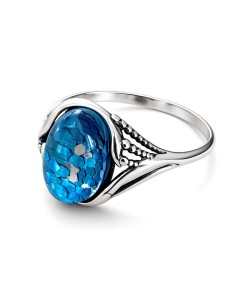
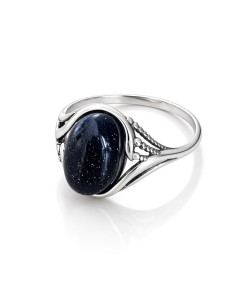
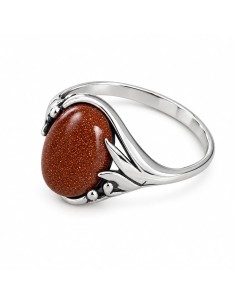
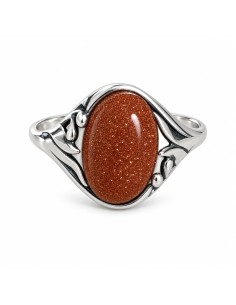
Recognizing an authentic cameo requires a careful look at many details. Pieces such as this sterling silver ring with flint, cast and then hand-finished in a small family workshop, show how much careful finishing adds compared with mass production. Key clues include the level of detail in the carving, the precision of the work, natural color variations between the layers of the material and the style typical of a given historical period.

Modern fakes usually give themselves away through formulaic designs, uniform colors and clear signs of machine production. Genuine cameos are marked by meticulous attention to detail, subtle transitions between the layers of material and an individual character of workmanship that makes it impossible to replicate the design exactly. Each piece is really a small work of art that carries the story and the skill of its maker.

Expert tip: Before buying a cameo, always ask the seller if you can look at it against the light and under a loupe — a true craftsperson will not mind a closer inspection.

Modern jewelry trends bring surprising and exciting interpretations of the classic cameo, which has gone from a forgotten piece to a real star of contemporary collections. Designers are increasingly returning to this historic motif, restoring its shine and giving it bold new meaning — something you can see in the modern jewelry sets so many women love.

Jewelry artists experiment with the cameo’s form, combining traditional techniques with the minimalist aesthetic of silver. These sterling silver earrings with crystals reflect the same tendency, where classic ornament meets modern design. A key trend is pairing traditional motifs with modern materials to create rich, multilayered compositions.

Especially interesting are experiments with unusual cuts and innovative settings that offer a completely fresh take on the cameo and on vintage style. Designers are not afraid to combine different stones, metals and techniques, so every cameo becomes a work of art with a story of its own. Contemporary cameo jewelry is not just an accessory but a true statement of artistic imagination.

Expert tip: When choosing a modern cameo, look for an original design and thoughtful workmanship — true jewelry art should always stir emotion.

How to value and care for collectible cameos

Valuing collectible cameos is a complex process that requires knowledge of art history and jewelry making, as well as a careful analysis of many detailed parameters. The market value of such a piece depends on several key factors that determine how exceptional it is.

The basic valuation criteria include the quality of the relief, condition, the rarity of the material and historical provenance. This sterling silver pendant with turquoise shows how a precious metal such as 925 sterling silver adds to the value of the whole composition. Experts pay particular attention to authenticity, precision of workmanship and how well the original artistic features have been preserved.

Silver cameos

Cameo Jewelry — Stones and Motifs

Stones

  • Onyx — strong black-and-white contrast
  • Agate — layered, multicolored bands
  • Carnelian — a warm red-orange glow

Motifs

  • Portraits
  • Mythological scenes and figures
  • Allegories and images of deities
  • Floral and plant motifs

A cameo in silver is a classic with deep symbolism.

Here is a summary of the main criteria for valuing collectible cameos and what they mean in practice:

Valuation criterionEffect on valuePractical example
Quality of the reliefThe better, the higherExcellent detail, no damage
MaterialRarity increases valueA rare agate is worth more than shell
ConditionOriginality and no repairsNo cracks or grime
Historical provenanceAdds to its rarityThe signature of a recognized artist

Caring for collectible cameos calls for great care and specialist knowledge. The most important rules are to avoid direct contact with moisture, chemicals and sudden temperature changes. Silver settings need regular, gentle care, ideally with specialist products designed for cleaning antiques. Collectors should store cameos in soft, dedicated cases that protect them from scratches and dust.

Expert tip: Before buying a cameo, always ask the seller for detailed information about its material and provenance — that is the key to understanding its true value.

Discover cameo jewelry in sterling silver

A cameo is a symbol of remarkable elegance and deep symbolism that can give your look real character. In this guide we have explored how cameos are made and the variety of materials used — now it is time to experience this art for yourself. If you are looking for sterling silver jewelry that brings together craftsmanship and distinctive design, visit Polcarat Design. Our family workshop in Rumia, Poland, has been making 925 sterling silver jewelry since 1984, with designs inspired by both tradition and modernity — including elegant cameo pieces that make a perfect holiday gift.

Choose from elegant pendants, brooches and rings that highlight your individuality and your love of history and the art of jewelry. Discover, for example, a sterling silver brooch with amber or a sterling silver ring with flint. Choose beauty that will last for generations and explore the collection at Polcarat Design.

Cameo jewelry: frequently asked questions

Cameos in silver jewelry are most often made of onyx, sardonyx, carnelian and agate, which offer a range of colors and optical effects.

What motifs appear most often on cameos?

Cameo motifs include mythological scenes, portraits of rulers, allegories, and animals and plants with symbolic meaning.

How can you recognize a genuine cameo?

Genuine cameos show high-quality workmanship, finely detailed carving and natural color variations between the layers of the material. It is also worth asking the seller for detailed information about the material and its origin.

How do you care for a cameo in a silver setting?

Store cameos in a dry place, avoid contact with chemicals and use gentle silver-cleaning products. Regular care is key to keeping them beautiful.

Product added to wishlist