Can you sleep with earrings in? Many women wonder whether it’s safe and comfortable. Opinions are divided: some say it’s completely harmless, while others warn about irritation and infections of the piercing. In this article we explain the real risks of sleeping in jewelry, how different types of earrings affect comfort at night and what practical steps you can take to protect your ears and skin. You’ll also learn when it’s better to take your earrings off and when you can safely wear them all night.
Sleeping in jewelry — key takeaways
| Point | Details |
|---|
| The risk of sleeping in earrings | Sleeping in new earrings increases the risk of irritation, infection and delayed healing. |
| The healing period is crucial | During the first six to eight weeks the skin is sensitive, and sleeping in earrings can shift the jewelry and damage the skin. |
| Flat earrings are the safest | Flat studs or small posts minimize pressure and the risk of chafing during sleep. |
| Watch for symptoms and react | If redness, swelling or discharge appears, remove the jewelry right away and see a doctor. |
Why can sleeping with earrings in be risky?
Sleeping in earrings carries several potential health risks, especially when the piercing is fresh or still healing. Piercing professionals and dermatologists agree that sleeping in earrings, particularly new ones, is not recommended because of the risk of irritation, infection and slower healing. Pressure from the pillow on the earring can cause tiny injuries to the tissue, which become an entry point for bacteria.
New piercings need extra care for the first 6–8 weeks. During this time the skin is sensitive and the piercing channel is still forming, so you shouldn’t remove the earrings too early. Sleeping on your side with an earring in can shift the jewelry, stretch the hole or even deform it. Healing takes longer, and the risk of scarring or a keloid increases significantly.
Even after a piercing has healed, regularly sleeping in earrings can lead to chronic problems. Mechanical pressure causes redness, swelling and pain around the ear. The skin around the piercing may thicken as a defensive reaction, which can stretch the holes. In extreme cases, long-term pressure leads to permanent deformation of the earlobe — which is why, for the night, it’s best to switch to small, flat earrings or take your jewelry off.
It’s worth noting that there is a lack of comprehensive clinical research on the long-term effects of sleeping in earrings. Most recommendations are based on the practical experience of professional piercers, jewelers and dermatologists who observe the effects of their clients’ habits. Their observations, however, are consistent and point to real risks.
Pro tip: if you plan to sleep with earrings in, choose ones that won’t cause discomfort. If you notice redness, swelling or discharge around the earring, remove the jewelry right away and see a doctor to avoid infection. Don’t wait for the symptoms to get worse — an infection can spread very quickly.
The most common problems linked to sleeping in earrings include pain, discomfort and the risk of stretched piercing holes:
- Skin irritation and redness around the piercing
- A higher risk of bacterial or fungal infection
- Pain and discomfort that make it hard to fall asleep, which can be caused by skin damage
- Deformation of the piercing channel from long-term pressure
- Damaging or losing an earring during sleep
- Scratches on the skin of the neck and face from protruding parts
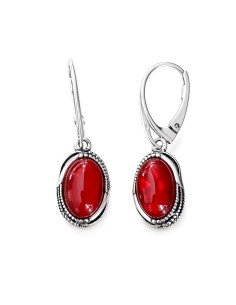
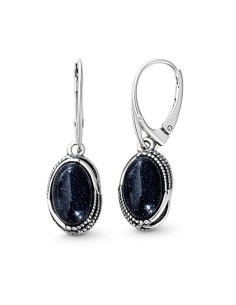
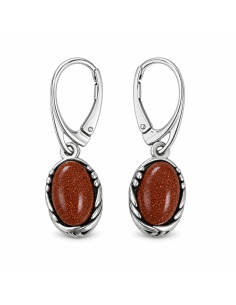
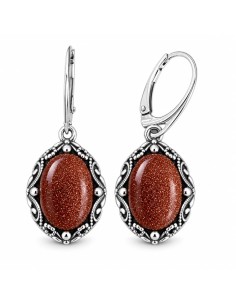
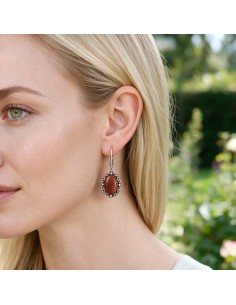
Many women wear drop earrings with a stone, which look beautiful during the day but can cause problems at night, especially if they are delicate. Their length and movement increase the risk of catching on bedding or hair.
How do different types of earrings affect your sleep?
The type of earrings you wear to bed matters a great deal for your comfort and safety. The construction, weight and shape of the jewelry directly affect how your skin reacts to pressure at night. Practical experience shows that even healed piercings can become uncomfortable under pressure, leading to deformation or skin irritation.
Heavy and dangling earrings are the biggest challenge during sleep. Their weight puts constant strain on the earlobe, which can stretch it and damage the skin. When you sleep on your side, dangling parts press into the skin of your neck or face, leaving marks and causing scratches. On top of that, moving parts can catch on bedding or hair, which risks tearing the earring out.

Flat studs or small posts are a much safer option. Their low profile minimizes pressure on the ear even when you sleep on your side and reduces the risk of catching on bedding. Rounded shapes without sharp edges won’t scratch the skin or leave marks. Their light construction doesn’t weigh down the piercing, letting the skin rest while you sleep.
| Earring type | Sleep comfort | Risk of irritation | Best sleeping position |
|---|
| Long, dangling earrings made of delicate materials | Low | High | On your back or on the opposite side — ideally with small, flat earrings that won’t get in the way or press into the skin |
| Heavy earrings with stones | Medium | High | On your back |
| Flat studs | High | Low | Any |
| Small posts | Very high | Very low | Any |
| Medium hoops | Medium | Medium | On your back or on the opposite side |
The material your earrings are made of also matters. Precious metals such as 925 sterling silver, gold or titanium are a better choice than cheap alloys. Cheaper metal alloys may contain nickel, which causes allergic reactions in many people, and these reactions can get worse with prolonged skin contact overnight. If your skin is sensitive, choose jewelry made of hallmarked precious metals and nickel-free alloys — the silver alloy we use at Polcarat Design contains no nickel.
The type of back matters too. Traditional lever backs can press more than smooth screw backs. Backs with rubber or silicone stoppers are more comfortable but can collect bacteria if they aren’t cleaned regularly. Flat backs that don’t stick out much behind the earlobe are best — they reduce the risk of catching and give the skin a chance to heal.
Sleeping in earrings
Sleeping in Earrings — Comfort and Risk
Higher risk
- Dangling: can tangle in bedding
- Dangling: can tug on the earlobe
- Dangling: press into the skin and feel uncomfortable
- Heavy: stretch the piercing hole
- Heavy: you feel the weight all night
Lower risk
- Screw backs: less likely to catch
- Screw backs: less likely to irritate the skin
- Screw backs: more comfortable while you sleep
- Flat studs: minimalist, low-profile construction
- Flat studs: easy to keep clean
- Flat studs: the safest choice for the night
If redness, swelling or discharge appears, remove the jewelry and see a doctor.
Pro tip: If you plan to sleep with earrings in, invest in a few pairs of flat studs made of high-quality silver or gold. You can switch them every few days, which helps you maintain hygiene and gives your skin a chance to recover.
A comparison of popular earring styles for sleeping:
- Studs with a small stone: an excellent choice, minimal risk
- Small hoops up to 2 cm (about 3/4 inch): acceptable, but better to sleep on your back
- Retro-style silver drop earrings: beautiful, but not for sleeping
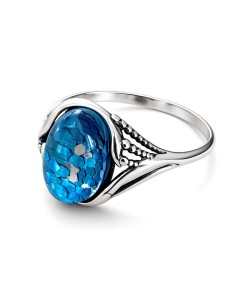
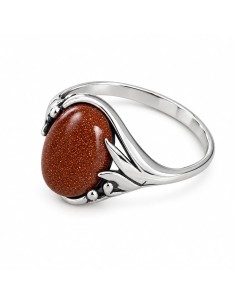
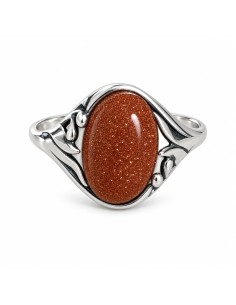
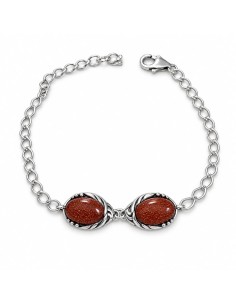
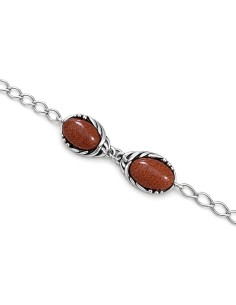
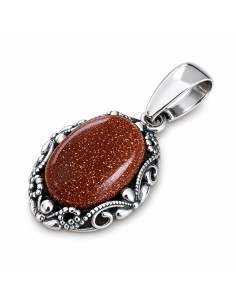
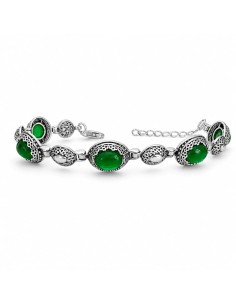
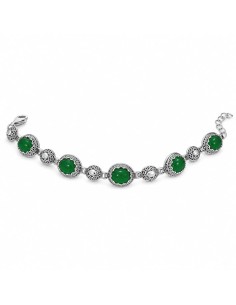
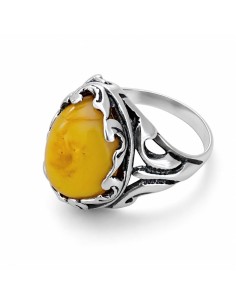
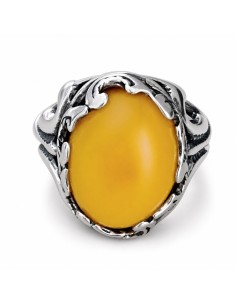
- Earrings with natural agate or amber: it depends on their size and weight, but always choose ones that won’t get in the way while you sleep
- Long drop earrings with chains: definitely take them off before bed
Your sleeping position plays just as important a role as the type of earring. People who sleep on their back have far fewer problems with earrings than side sleepers. If you have to sleep on your side, choose the side opposite to where you wear heavier earrings, or consider taking your jewelry off completely.
How to sleep with earrings in safely: practical tips to protect your ears
If for whatever reason you need or want to sleep in earrings, there are proven ways to significantly reduce the risk of problems. Piercing professionals recommend a few key strategies: sleep on your back, use a special pillow and choose flat studs that won’t catch on the pillowcase.
Here are proven steps for sleeping safely with earrings in:
Choose the right sleeping position. Sleeping on your back is safest because it eliminates pressure on your ears. If you have to sleep on your side, sleep on the side opposite to a fresh piercing or heavier earrings so you don’t press on them overnight.
Invest in a special pillow. Pillows with a central hollow or ear holes let the earlobe rest freely without pressure. Orthopedic memory foam pillows also work well.
Switch to flat earrings before bed to ease the strain around the piercing. If you wear dangling or heavy earrings during the day, swap them for small studs or posts in the evening. This simple step makes a huge difference in comfort.
Keep things clean. Before bed, wash your ears with mild soap and dry them thoroughly. Once a week, clean your earrings with saline solution or a dedicated jewelry cleaner.
Use a satin or silk pillowcase. These fabrics are smoother than cotton, reduce friction and lower the risk of snagging an earring — something worth keeping in mind when choosing earrings for the night. They are also gentler on your skin and hair.
Check the backs regularly. Before bed, make sure the backs are secure but not too tight. Backs that are too loose can come off at night; backs that are too tight press on the skin.
Pro tip: If you have a fresh piercing, sleep only on your back or on the opposite side for the first 2–3 weeks. Place pillows along your sides so you can’t roll onto the side with the new earring during the night.
If you have sensitive skin, it’s worth taking extra precautions. Care for the area around the piercing as your piercer or doctor recommends. Avoid perfume and hairspray near your ears, as their ingredients can irritate the skin under your earrings.
If you wear earrings with green agate or other natural stones, remember that even small stones add weight. For nighttime, choose designs with small cabochons.
Pay attention to how your body reacts. If you wake up with ear pain, redness or marks on your skin, it’s a sign that your habits need to change. Don’t ignore these signals, as they can lead to more serious problems. Give yourself a few nights without earrings so your skin can recover — this is key to keeping your piercings healthy.