What does modern science say about gemstone energy?
Science confirms the measurable physical properties of minerals, but not any healing or magical powers. That distinction is fundamental. Stones do have physical properties, such as the piezoelectricity of quartz — its ability to generate an electric charge under mechanical pressure. This property is real and measurable: piezoelectric quartz drives quartz watches and pressure sensors.
Natural Stones
Three Layers of Gemstone Meaning
Physical
Hardness, cleavage and chemical composition — measurable mineral properties.
Symbolic
Cultural meanings thousands of years old, as with jadeite, lapis lazuli and amethyst.
Psychological
A stone as an intention anchor: a personal reminder, not a remedy.
Science confirms only the physical layer.
| Property | Stone | Scientific confirmation |
|---|
| Piezoelectricity | Quartz | Yes, used in electronics |
| Fluorescence | Fluorite | Yes, visible under UV light |
| Radioactivity | Some granites | Yes, measurable |
| Treating illness | Any stone | No scientific evidence |
| Energetic protection | Tourmaline, obsidian | No scientific evidence |
The spiritual energy of stones is a symbolic and cultural category, not a physical one. Any effect a stone seems to have on how you feel is psychological. The placebo effect is real and well documented: if you believe a stone brings you calm, that belief itself can influence how you feel. That isn’t magic — it’s psychology.
A stone can work as an “intention anchor”: a physical object that reminds you of a resolution or a value you want to nurture. A rosary in Christianity, a mala in Buddhism and a pebble in your pocket work in a similar way. Ritual and intention give an object its meaning — the stone carries that intention but is not its source.
Pro tip: If you’d like a stone as a personal reminder, choose one specific stone and give it one specific meaning, such as calm or courage. Spreading your attention across many stones at once makes each reminder less meaningful.
How are gemstone meanings used in jewelry?
Choosing a stone for jewelry usually follows one of three approaches: by zodiac sign, by emotional need or by aesthetics. Each approach leads to a different result and meets a different need. Which one you pick depends on what you’re looking for in gemstone jewelry.
The astrological approach assigns specific stones to the zodiac signs. Aries wears ruby or carnelian, Taurus emerald or rose quartz, Gemini agate or citrine. This tradition goes back to ancient astrology and is deeply rooted in the cultures of India, Persia and Europe. It has no scientific basis, but it carries strong cultural and emotional meaning.
The emotional approach means choosing a stone according to what you need right now — as a symbol, not a remedy:
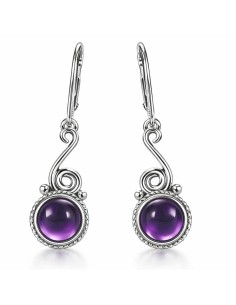
- Amethyst is traditionally associated with focus and calm. People wear it during meditation or at difficult moments that call for composure.
- Rose quartz, known as a symbol of love, is linked with self-love and relationships. Drop earrings with natural rose quartz are a subtle way to keep that intention close.
- Green agate symbolizes balance and renewal. Some people wear it as a reminder to make time for rest.
- Sodalite, prized for its rich blue tones, is associated with clear thinking and communication.
- Lapis lazuli is traditionally linked with wisdom and truthfulness.
The aesthetic approach is the simplest and most practical: you choose a decorative stone that suits your wardrobe, skin tone and style. Warm skin tones harmonize with amber, carnelian and citrine, while cool skin tones are flattered by amethyst, aquamarine and blue topaz.
Treating a stone as an intention anchor rather than a magical object is the most grounded approach to gemstone jewelry. The piece then becomes a personal symbol that can give its wearer a quiet boost of confidence. A sterling silver amethyst pendant worn every day can remind you of the calm you’re working toward. That’s a real and worthwhile role for gemstones in everyday life.
The durability of gemstone jewelry depends on the stone’s hardness and the quality of the setting. Small pendants and rings in a sturdy silver or gold setting fit best into everyday life. Stones below 6 on the Mohs scale, such as malachite or fluorite, need care and are not suited to heavy physical work.
Key takeaways
Gemstone meanings combine three layers: the physical properties of minerals, centuries of cultural symbolism and a psychological effect on the wearer — and science confirms only the first.
| Point | Details |
|---|
| Three layers of meaning | Every natural stone has a physical, cultural and psychological dimension, which together make up its full meaning. |
| Physical parameters | Hardness, cleavage and chemical composition determine a stone’s durability and suitability for jewelry. |
| Cultural symbolism | Jadeite, lapis lazuli and amethyst carry meanings thousands of years old that still shape our choices. |
| Science vs stone energy | The piezoelectricity of quartz is a fact, but the healing properties attributed to gemstones in jewelry have no scientific support. |
| Practical choice | Choose a stone by zodiac sign, emotional need or aesthetics, and treat it as an intention anchor. |
Natural stones: what I’ve really learned from years of observation
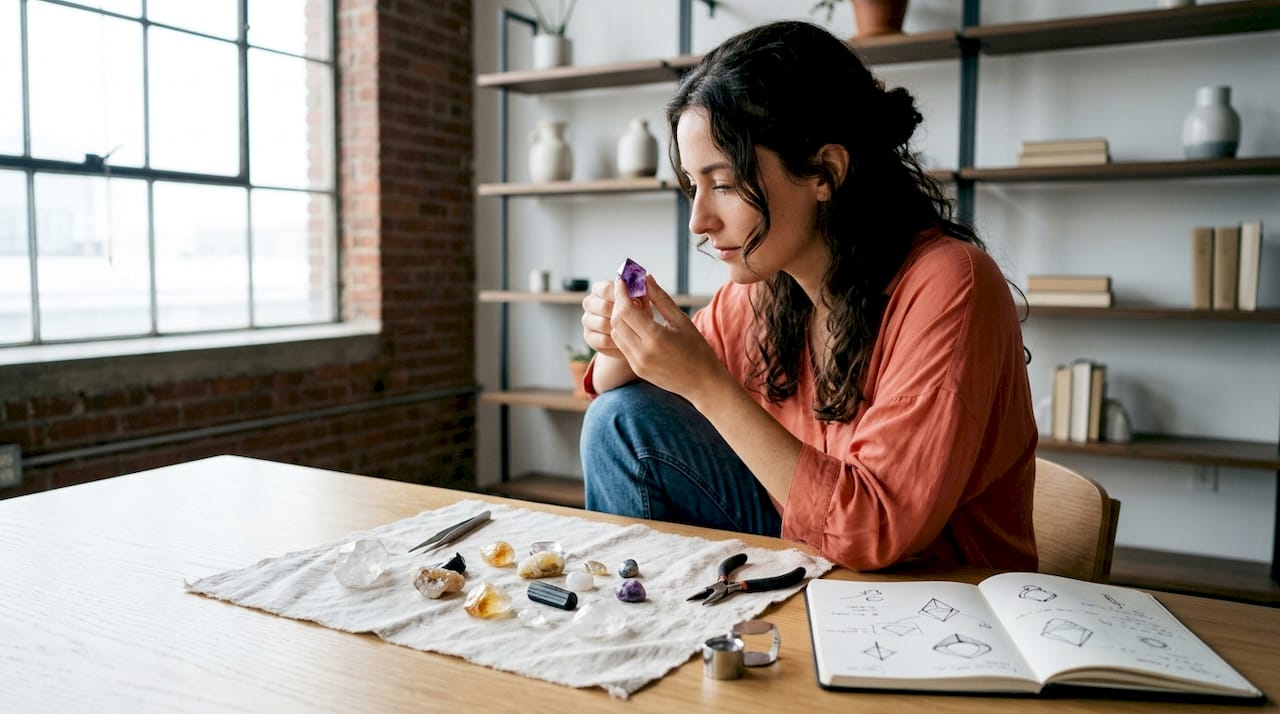
Over years of watching people choose jewelry with gemstones and minerals, I’ve reached a conclusion that rarely appears in articles on the subject. Most people are looking for neither scientific proof nor magical properties. They want something that will stay with them and remind them of something important. That is the real strength of gemstones.
The gemstone jewelry market has a serious transparency problem. Too many products are sold without any information about how the stone was treated. Customers should expect honest information about where stones come from and how they were processed, because that’s the basis of an informed choice. A stone heated to improve its color isn’t worse, but the buyer has a right to know.
My personal approach is simple. I choose a stone I like the look of, check its hardness for everyday wear and give it a meaning that’s personal to me. I don’t need astrological rules or esoteric guides for that. A stone becomes my symbol when I decide what it means to me. That’s the approach I recommend to everyone.
— Dawid
Gemstone jewelry from Polcarat Design
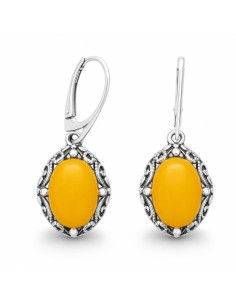
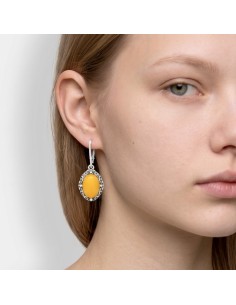
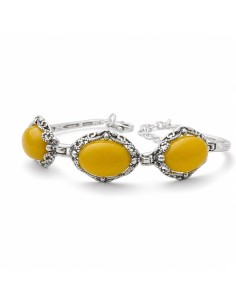
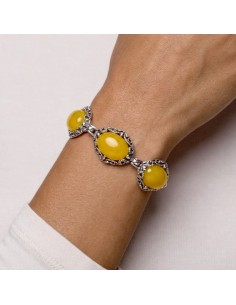
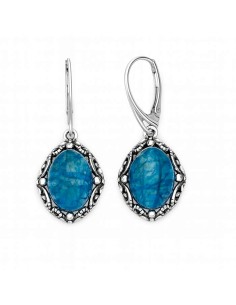
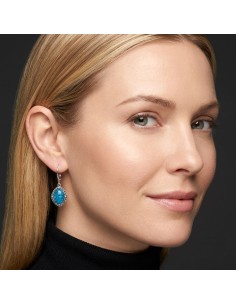
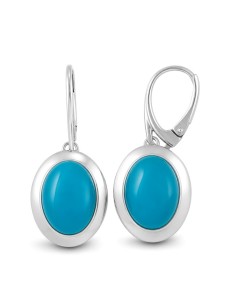
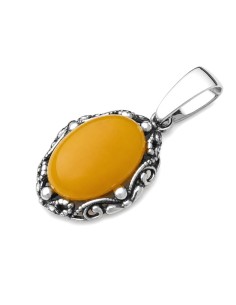
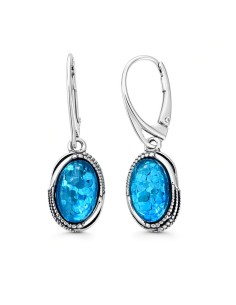
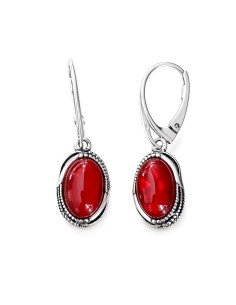
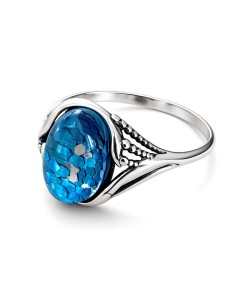
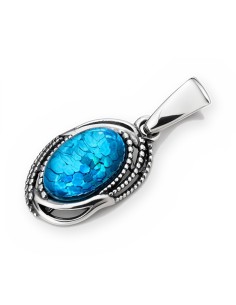
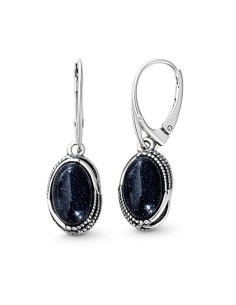
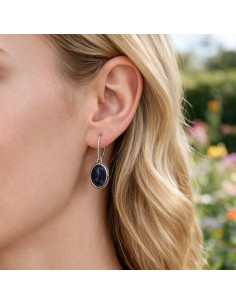
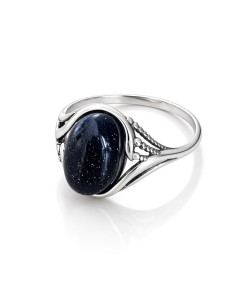
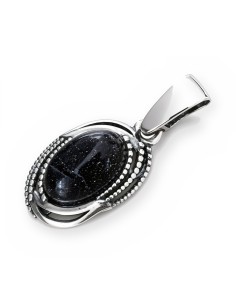
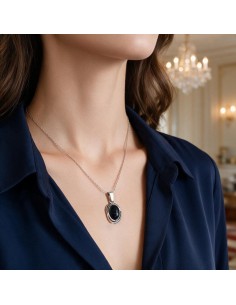
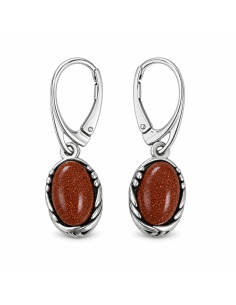
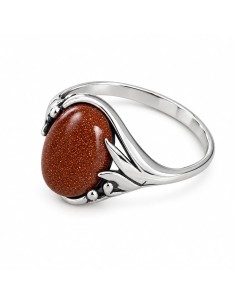
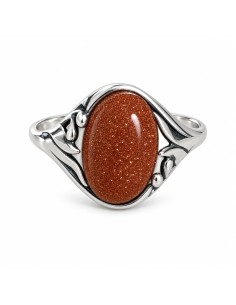
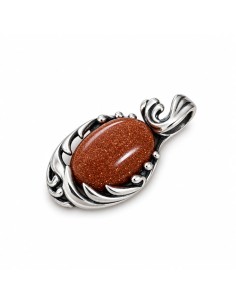
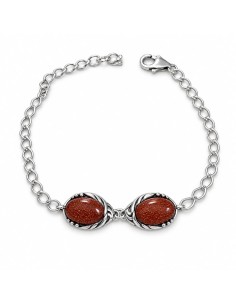
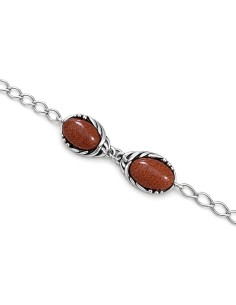
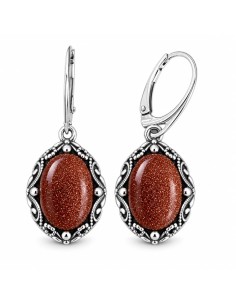
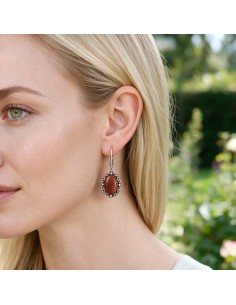
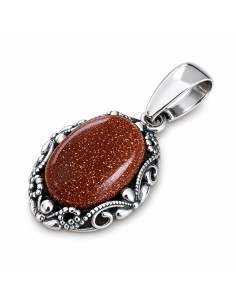
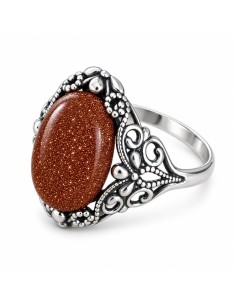
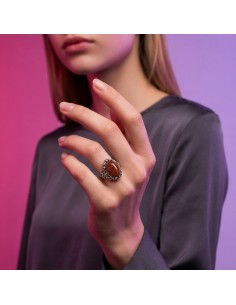
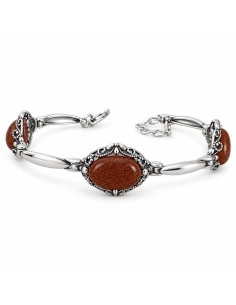
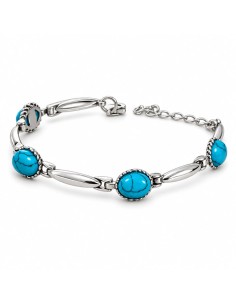
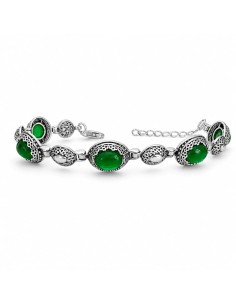
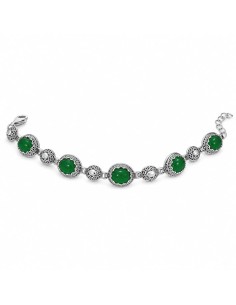
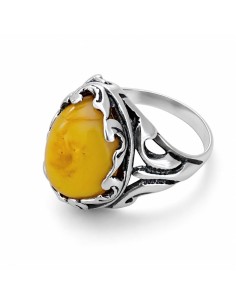
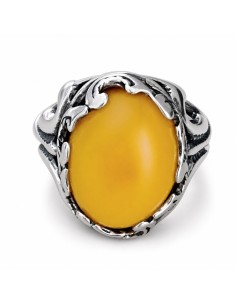
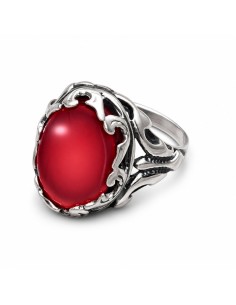
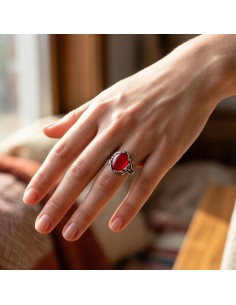
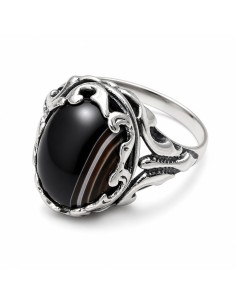
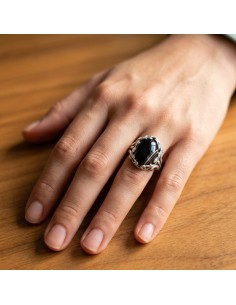
Polcarat Design offers jewelry with the most popular gemstones, pairing good looks with their traditional symbolism. Our sterling silver gemstone jewelry has been made in our family workshop in Rumia, Poland, since 1984 — cast and hand-finished, with care for honest materials and quality workmanship. Every stone in our collection is clearly described as natural, reconstructed or synthetic, which answers the need for transparency discussed in this article. Pendants such as our sodalite pendant or our ruby cabochon pendant are examples of jewelry that pairs good looks with the symbolism of crystals and minerals. If you’re looking for a gift or something special for yourself, consider a piece with a stone whose meaning speaks to you. A sterling silver heart pendant with a crystal combines classic elegance with the emotional value a stone can hold.







Comments (0)