How to clean stones: the durable ones and those that need extra care
The stone is often the part of a piece most at risk from cleaning mistakes. The difference between a diamond and a pearl is fundamental here.
| Stone | Water resistance | Reaction to detergents and sunscreen | Safe method | What to avoid |
|---|
| Diamond | Very high | Attracts buildup but doesn’t react with it | Lukewarm water with dish soap, soft toothbrush | Nothing in particular |
| Sapphire, ruby | High | Attracts buildup | Lukewarm water with dish soap | Ultrasonic cleaning if the stone is cracked |
| Emerald | Medium | Sensitive to detergents | Lightly damp microfiber | Ultrasonic cleaning, long soaks |
| Pearl | Very low | Reacts to acids and detergents | Dry or lightly damp microfiber | Water, baking soda, vinegar, ultrasonic cleaning |
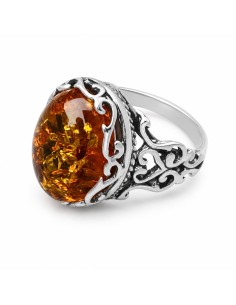
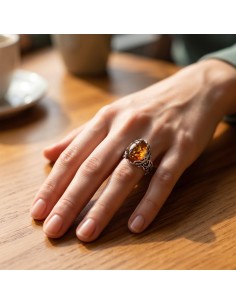
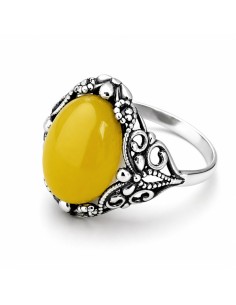
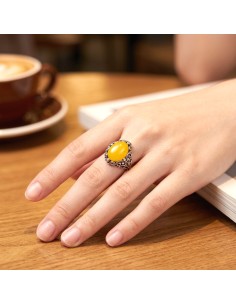
| Amber | Low | Reacts to alcohol and detergents | Dry microfiber | Water, detergents, ultrasonic cleaning |
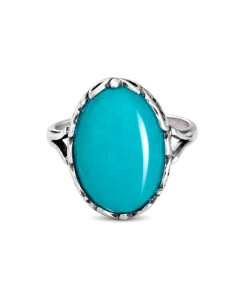
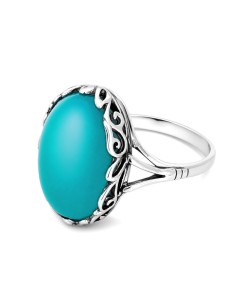
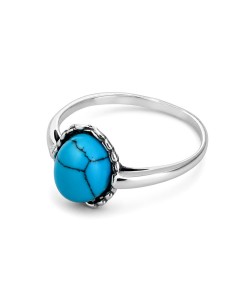
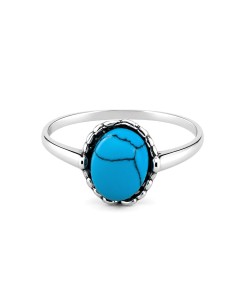
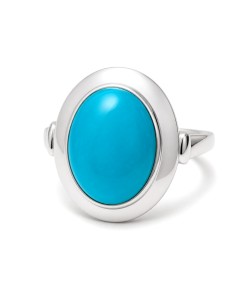
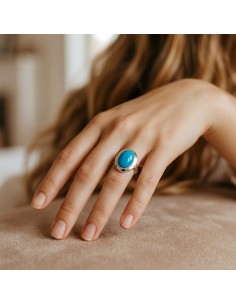
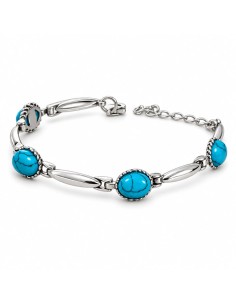
| Turquoise | Low | Absorbs oils and chemicals | Dry microfiber | Water, acids, detergents |
| Opal | Very low | Can absorb water and crack | Dry microfiber | Water, ultrasonic cleaning, heat |
| Coral | Low | Reacts to acids | Dry or lightly damp microfiber | Acids, detergents, ultrasonic cleaning |
Diamond, sapphire and ruby are durable stones that can handle mild soap and a short soak. Dry them thoroughly, especially under the setting. Pearls, amber, turquoise, coral and opal need dry or spot-cleaning methods. For a silver dolphin charm with a pearl, a gentle wipe with a dry microfiber cloth after each wear is enough.
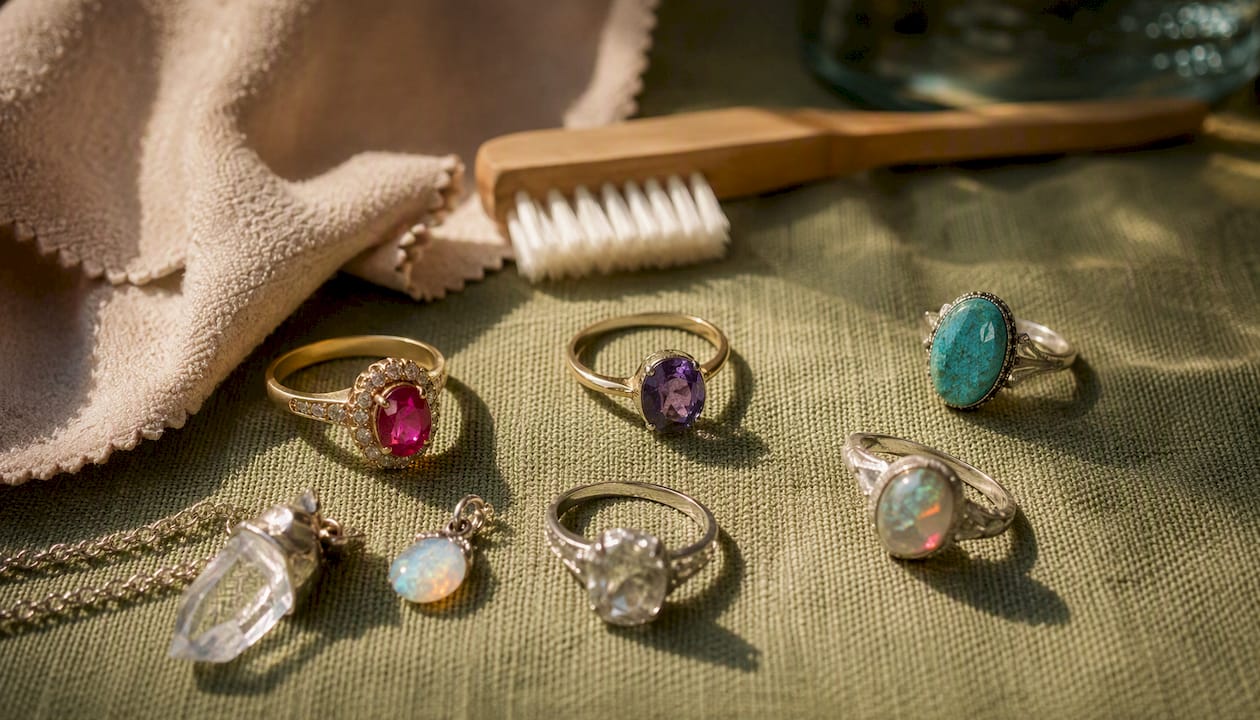
Pro tip: With jewelry that has glued crystals or stones, avoid ultrasonic cleaning and long immersion. Water can weaken the adhesive, so keep any contact with soapy water short and dry the piece right away.
How to remove sand from settings and greasy sunscreen residue
Sand in a tight setting is one of the trickier problems after a beach trip. Jewelry worn by the sea often has it pressed deep between the metal and the stone.
- Dry the jewelry and shake off loose sand over a soft cloth.
- Brush it with a dry, soft toothbrush to remove residue from the surface.
- Use a toothpick or cotton swab to gently pick sand out of the crevices of the setting.
- Dampen the spot with water and a little dish soap and gently wipe it with microfiber.
- Rinse thoroughly and dry immediately, paying attention to the gaps around the stone.
Greasy sunscreen film dissolves in warm water with mild dish soap. Don’t leave jewelry in the solution for more than a few minutes. Spot-wiping with microfiber is more effective than a long soak, because it lets you control the pressure and the area you’re cleaning.
Pro tip: If sand is stuck deep in a setting, use short bursts of compressed air instead of scrubbing. Scrubbing pushes the sand deeper and scratches the metal.
For jewelry you wear all the time, such as piercing jewelry, similar precautions are described in this piercing aftercare guide: gentle products and avoiding harsh chemicals are the foundation.
What never to use, and the most common mistakes
The most common post-season mistakes are hard scrubbing, long soaks and untested home hacks. The result is often the opposite of what you intended.
Don’ts:
- Hard abrasive pastes and toothpaste with fluoride or abrasives, which can damage the surface of your jewelry
- Paper towels and tissues (they scratch the surface)
- Bleach and chlorine-based products
- Ultrasonic cleaning for glued jewelry and pearls
- Long soaks in vinegar or acidic solutions
The most common mistakes (besides wearing jewelry in the water):
- Putting jewelry on damp skin or right after applying lotion
- Storing damp jewelry in a closed box, where corrosion keeps working
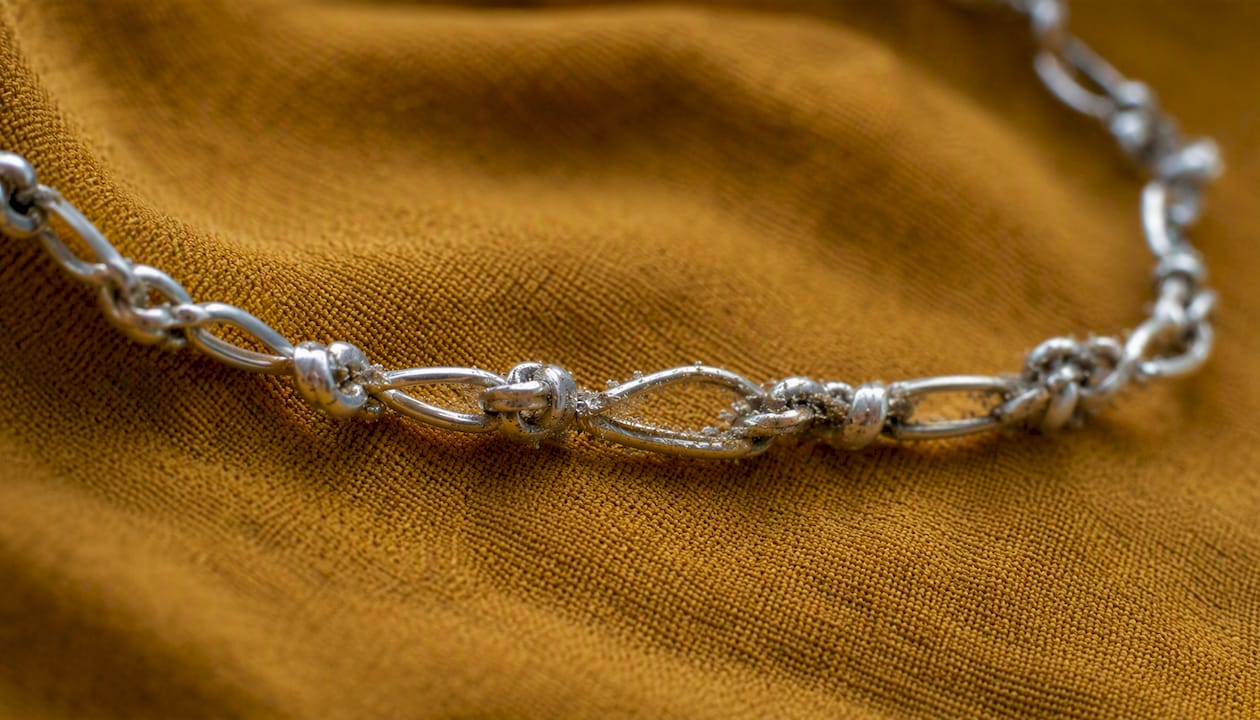
- Scrubbing silver with a hard sponge to “clean it faster”
Don’t try “quick hacks” on jewelry with thin plating or delicate stones. An abrasive paste can strip gold plating in seconds, and re-plating costs more than the whole cleaning job. With valuable pieces, it’s better to consult a jeweler than to risk losing the plating for good.
How to dry and store jewelry after cleaning so it doesn’t tarnish
Drying is the step many people skip or rush. Moisture left in the crevices of settings and around clasps is an easy route to corrosion.
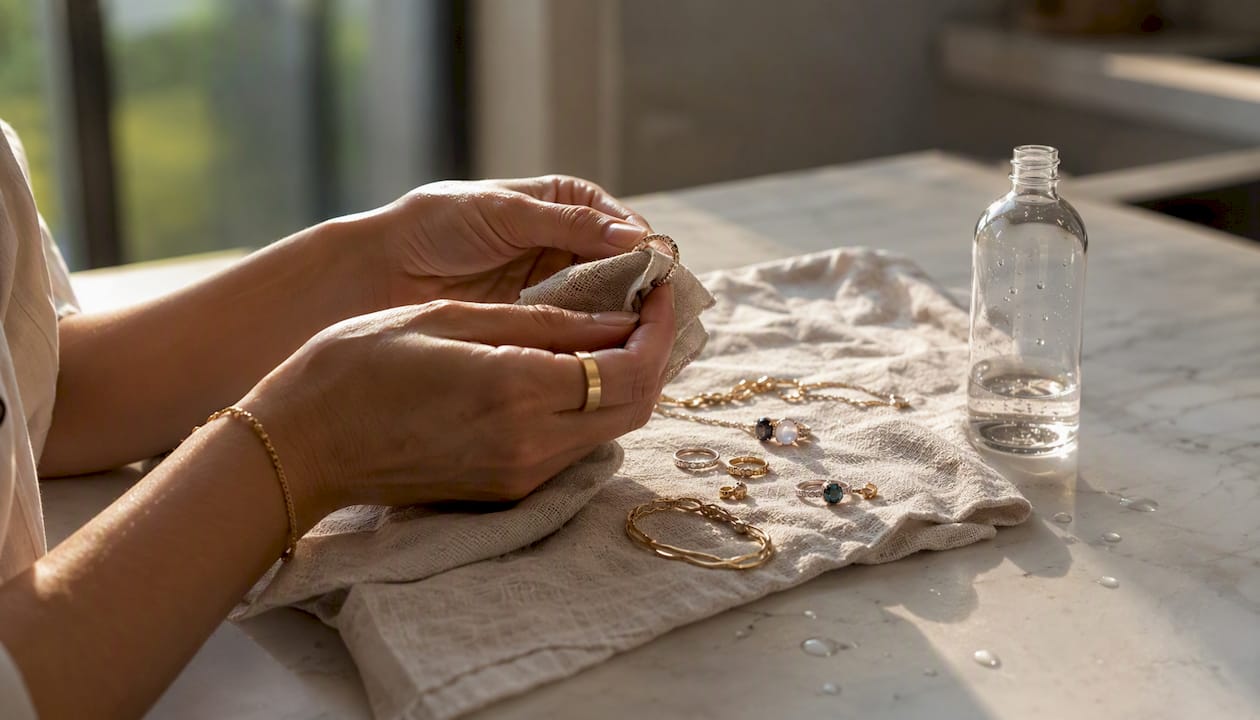
- Lay the jewelry on a soft cloth and dry each piece separately.
- Pay special attention to clasps, links and stone settings, where moisture lingers longest.
- Don’t put jewelry in a box until it’s completely dry.
- For silver: store it with anti-tarnish strips or wrap it in acid-free paper to slow tarnishing.
- Store each piece separately, in soft pouches or compartments, to avoid scratches.
- Don’t put jewelry in a damp makeup bag or on right after applying lotion.
A quick wipe with microfiber after each wear keeps cosmetic residue from building up and greatly extends the time between full cleanings. For storage, consider a leather earring case, which protects jewelry from scratches and moisture.
When to see a jeweler after the summer season
Home methods have their limits. In some situations, doing it yourself can make the problem worse instead of solving it.
Take your jewelry to a jeweler if you see permanent discoloration that gentle washing doesn’t remove, if clasps have loosened after contact with sand, if a stone has moved or fallen out, or if the gold or rhodium plating is worn through or peeling at the edges. Pearls that need a deeper refresh and jewelry with glued elements after prolonged contact with water are also jobs for a professional.
Typical post-season jewelry services include ultrasonic cleaning (for pieces without glued elements or delicate stones), polishing, clasp repair and replacement, and re-plating with gold or rhodium.
A piece’s shine isn’t just about a clean surface — proper storage matters too. Mechanical damage from sand and loosened clasps are just as important. It’s a good idea to have a jeweler check the technical condition of your jewelry after each season, not just its looks.
Pro tip: Ask the jeweler to inspect the stone settings and to tell you what work was done. A good workshop will show you the condition before and after, especially with valuable jewelry.
Quick checklist: what to do right after you get back from vacation
- Shake off dry sand over a soft cloth — don’t rub.
- Wipe each piece with microfiber to remove sunscreen and salt residue.
- If the jewelry has been in the sea or a pool: rinse it briefly under running water and dry it immediately.
- Set pearls, amber, turquoise, coral, opal and glued jewelry aside for gentle cleaning.
- Check clasps and links for looseness.
- Clean each piece with a method suited to its material (see the sections above).
- Dry thoroughly and store pieces in separate pouches or compartments.
- Book a jeweler visit if you notice loose stones, discolored plating or clasp problems.
A jeweler’s perspective: what most often lands on the workbench after summer
Every summer, jewelry with similar problems comes into the workshop. Most often it’s loose stone settings, dull gold plating and tarnished silver that the owner tried to clean with an overly aggressive method. The second type is jewelry with glued crystals that spent several days in seawater — and the adhesive simply gave way.
There’s also a mistake I see again and again: trying to remove dark tarnish from gold-plated silver with an abrasive paste. The effect is immediate but irreversible, because the plating disappears along with the tarnish. Delicate pieces are better sent straight to a professional than put at risk of permanent damage.
One habit that really makes a difference: taking jewelry off before swimming in the sea and before applying sunscreen. It’s a simple rule that keeps the need for cleaning and repairs to a minimum.
Polcarat Design: when jewelry needs more than cleaning at home
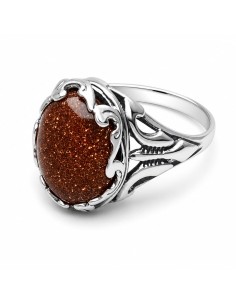
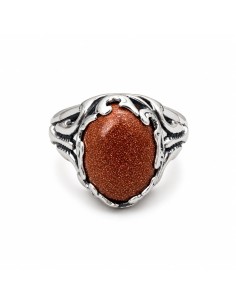
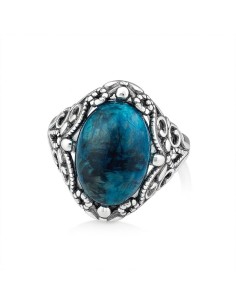
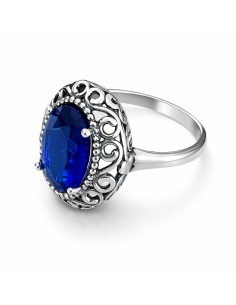
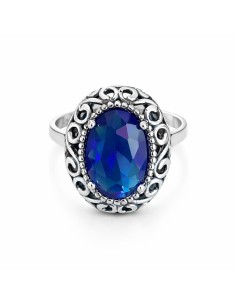
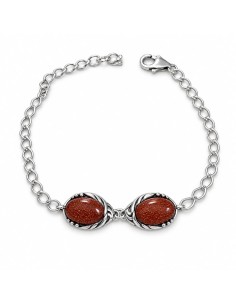
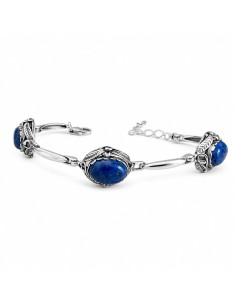
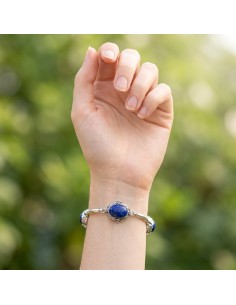
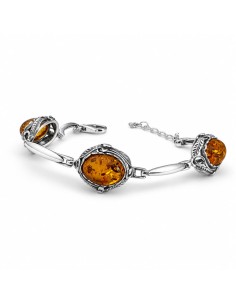
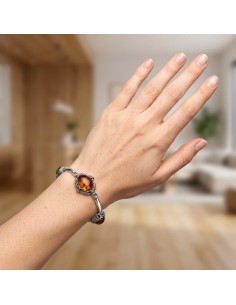
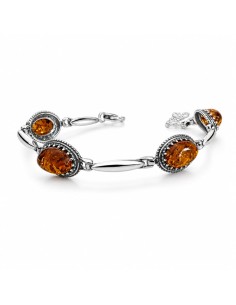
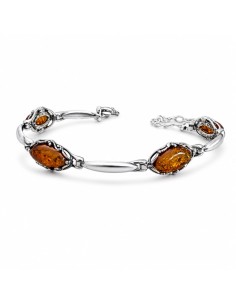
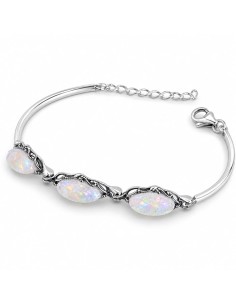
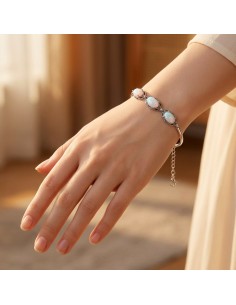
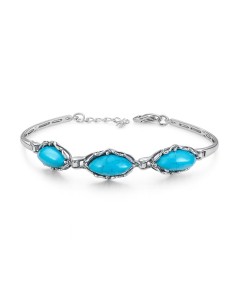
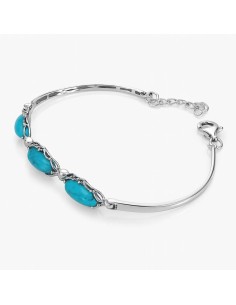
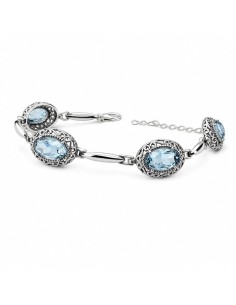
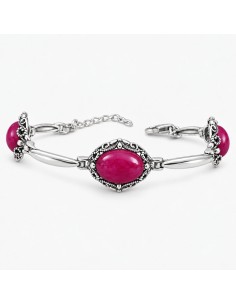
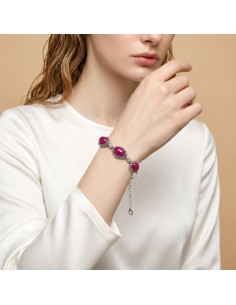
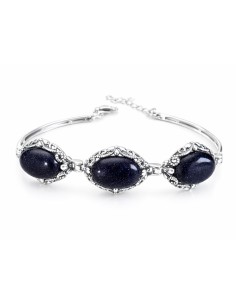
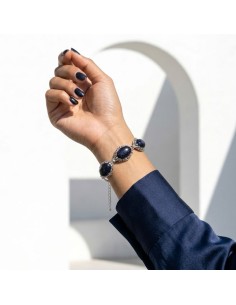
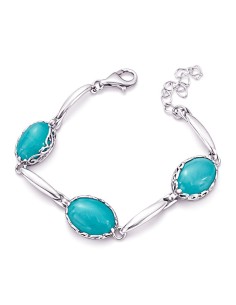
If home methods haven’t brought back the shine, or a piece needs parts replaced, take a look at our 925 sterling silver jewelry with natural and reconstructed stones — cast and hand-finished in our family workshop in Rumia, Poland, where we’ve been working since 1984. Instead of repairing something that has lost its charm, you can choose a new piece to wear for many seasons to come.
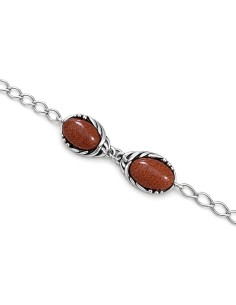
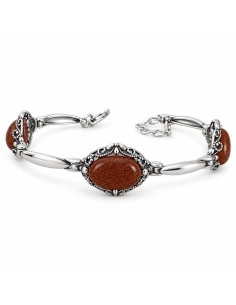
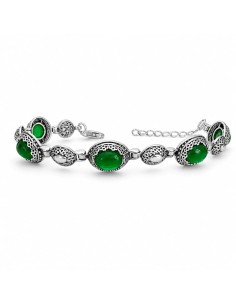
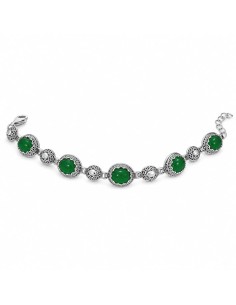
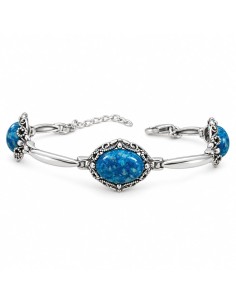
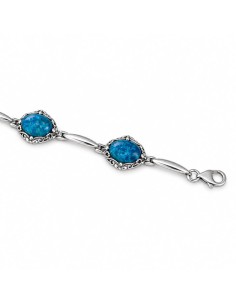
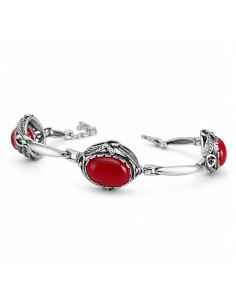
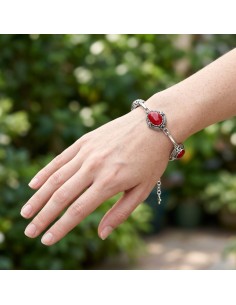
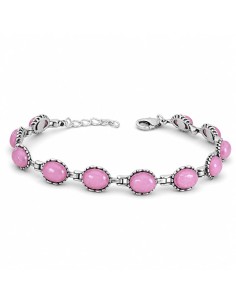
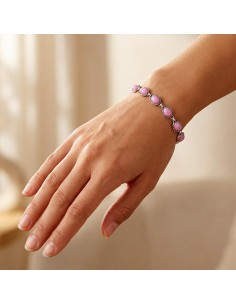
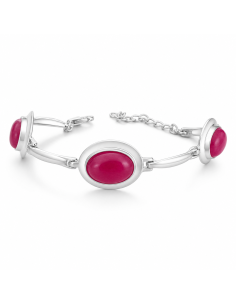
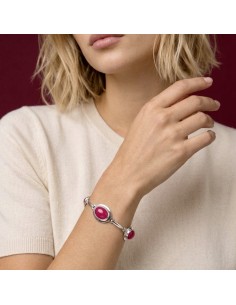
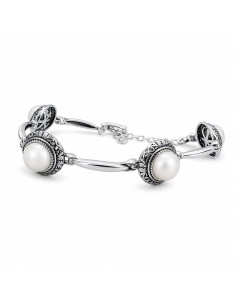
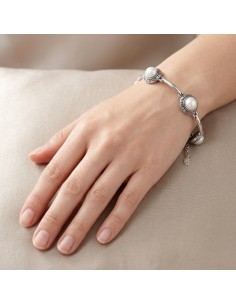
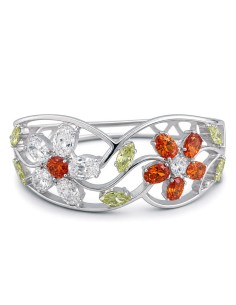
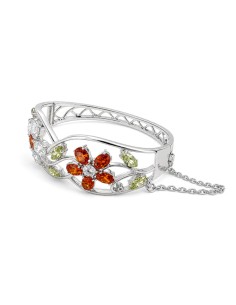
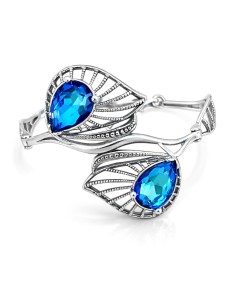
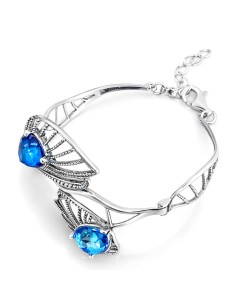
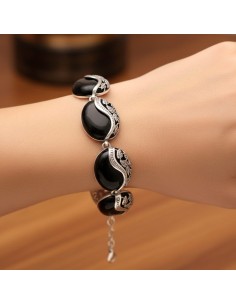
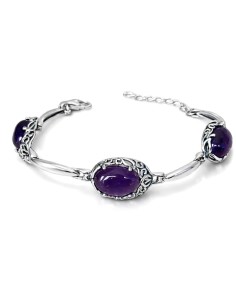
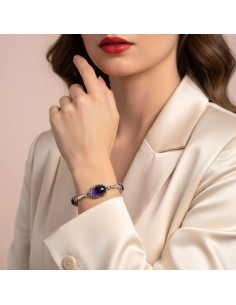
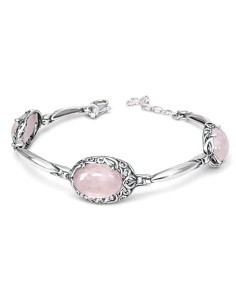
See our silver bracelet with crystals or silver heart pendant with a crystal from the current collection. Many of our designs come in several stone colors. You’ll find current sets and featured pieces on our current highlights page.
Recommended



Comments (0)