How to get a ring off a swollen finger safely — rings and wedding bands
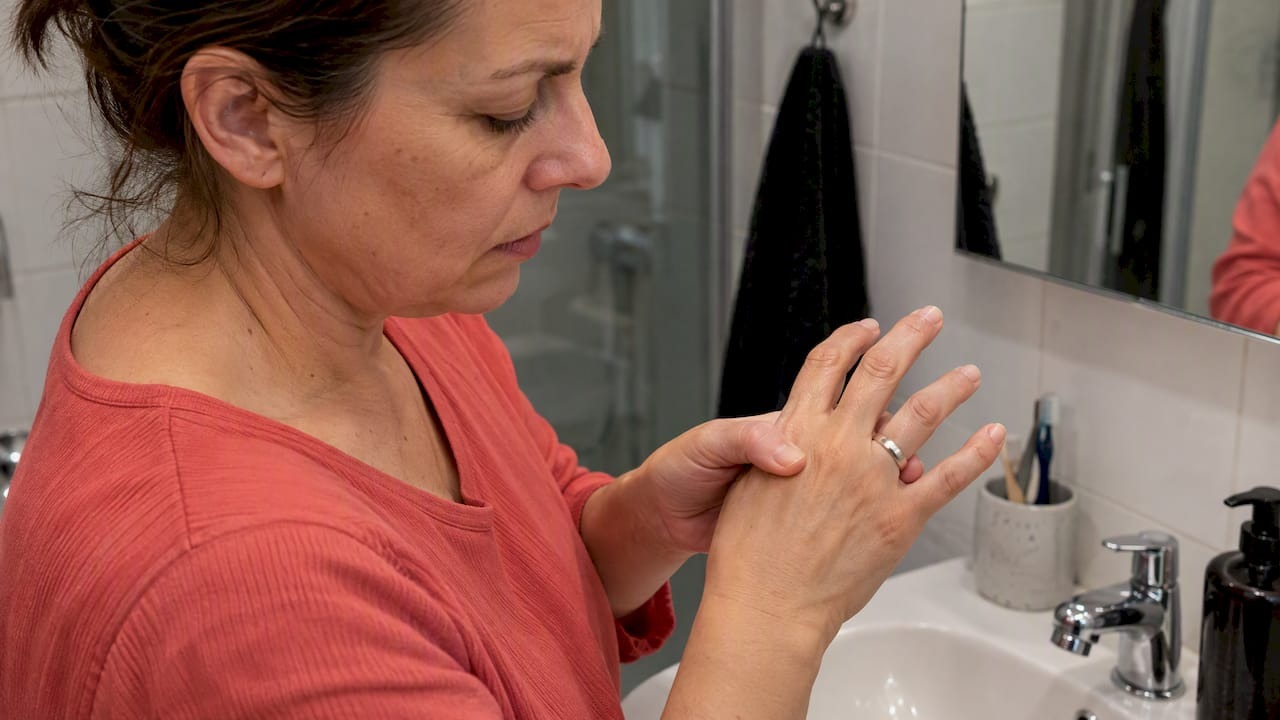
Stay calm. Yanking makes things worse, because it irritates the skin and increases the swelling. Follow these steps in order:
- Sit down comfortably and raise your hand above heart level. Hold it there for a few minutes so the fluid can drain from the finger.
- Cool your finger, for example with a cold compress or by dipping your hand in cool water for a moment. Avoid putting ice directly on the skin.
- Apply a lubricant: liquid soap, baby oil or a thin layer of petroleum jelly, to help the ring slide off more easily. Work it in around the band, including underneath it, to minimize discomfort.
- Gently twist the ring while easing it off at the same time. Don’t force it over the knuckle.
- If that doesn’t help, try the string method: slip a thin thread under the ring, wrap it snugly around the finger from the ring toward the fingernail, then slowly unwind it from the palm side, sliding the ring along with each turn.
- If the finger turns bluish or pale, goes numb or hurts more and more, stop trying and seek medical help immediately — especially if the ring still won’t come off.
Pro tip: wearing a ring should be comfortable and should never cause injury. With a wide-band ring, raise your hand and wait for the swelling to go down before applying soap. A little extra time often makes a bigger difference than any lubricant.
How to prevent tight rings and choose the right size
Most mistakes come from measuring your finger at the wrong time, which can leave you with a ring that is too tight or too loose. The right size slides over the knuckle with slight resistance and sits securely at the base of the finger without being too loose. Temporary tightness after a salty meal or on a hot day is normal, not a measuring error — but if the ring spins on your finger, it’s worth checking the size.
- Measure in the evening. That’s when your finger is at its largest. Repeat the measurement over a few days to capture the fluctuations.
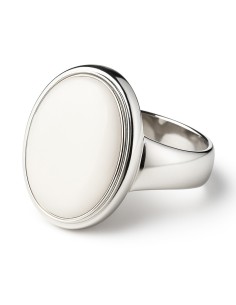
- Wide bands need a little extra room. With a wide band, check the fit carefully, because it can feel tighter — especially as fingers naturally change size during the day. If your fingers swell often, choose a size close to your larger measurement so the ring doesn’t end up too small.
- Cut down on salt and stay hydrated. Fewer salty snacks and drinking water regularly help reduce evening swelling, which makes it easier to slip a wedding band off a swollen finger.
- Take your ring off before the sauna and workouts. Heat and exertion are the two most reliable causes of temporary swelling, and a ring that sits too tight can then become uncomfortable.
- Consider jeweler’s solutions that help adjust the fit. Ring sizer inserts or sizing beads help when your finger size fluctuates noticeably. If the change in finger size is permanent, a full resizing by a jeweler is often the better option.
- Choose the right style. Heavy, wide bands are felt more strongly when the finger swells. Lighter, narrower designs tend to be more comfortable if your finger size changes a lot.
Pro tip: If you’re between two sizes, choose the larger one and add an insert so the ring slides on without trouble. It’s easier to reduce a little extra room than to struggle with a tight ring in the evening.
When to get help: a jeweler or a doctor?
Your finger matters more than your jewelry. Don’t wait if you notice any of these symptoms:
- the finger turns bluish or pale,
- it feels cold to the touch,
- it goes numb or tingles, which may be a sign that the ring is too tight and the swelling needs to come down,
- the pain is getting worse,
- the finger’s movement is limited, which may mean the ring is too small to pass over the joint.
A jeweler can safely cut a ring off with specialized tools without harming the skin, which is useful when a ring is hard to remove and professional help is needed. If the finger changes color, goes numb or hurts badly, stop trying to remove the ring and seek medical help immediately. A cut ring can usually be repaired, but lost feeling in a finger may not come back.
Our perspective: a well-fitting ring is one you forget you’re wearing
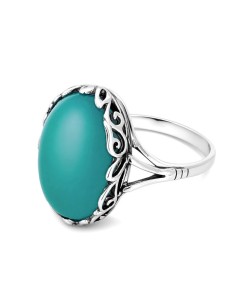
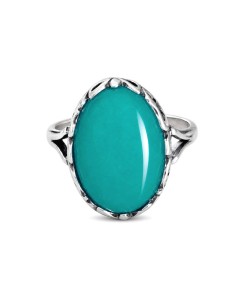
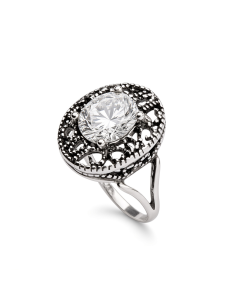
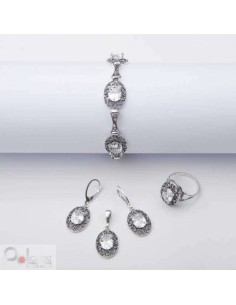
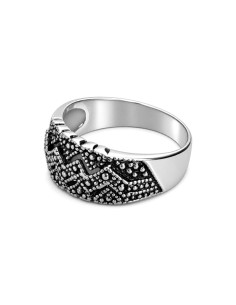
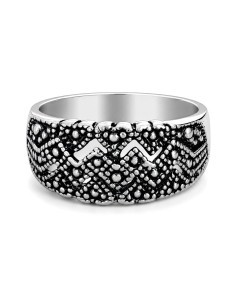
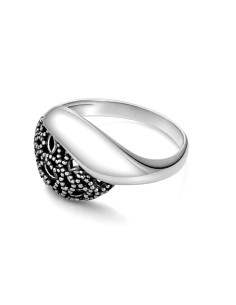
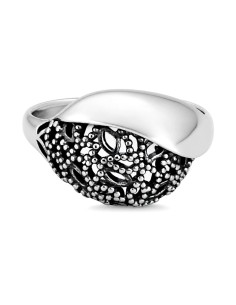
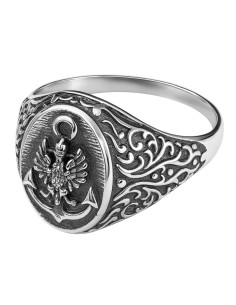
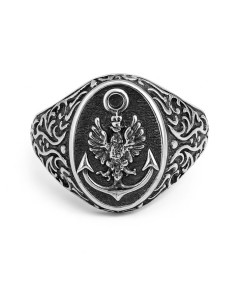
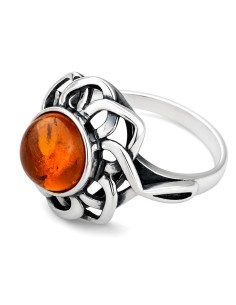
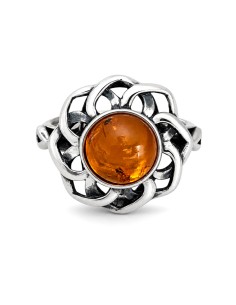
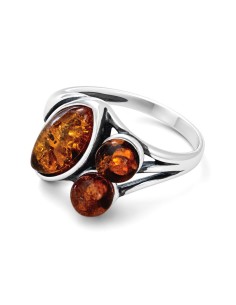
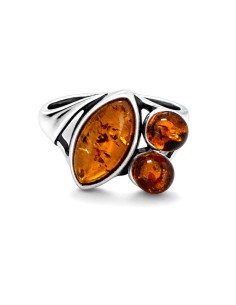
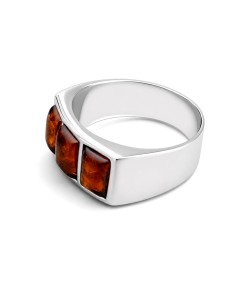
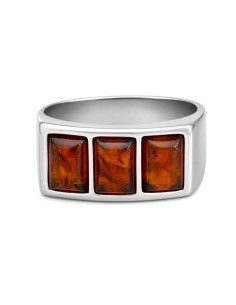
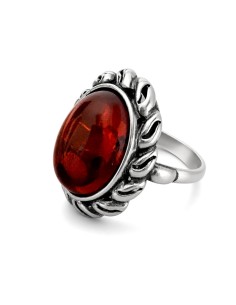
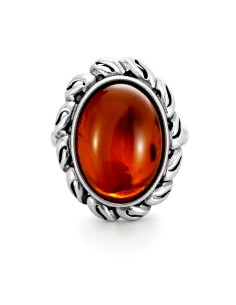
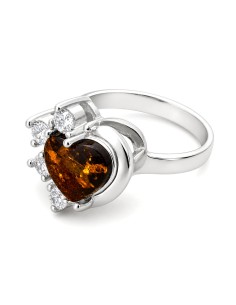
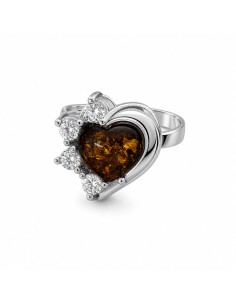
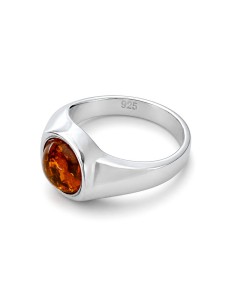
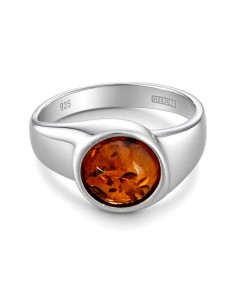
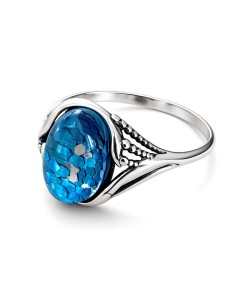
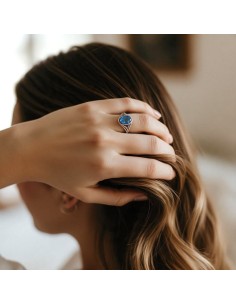
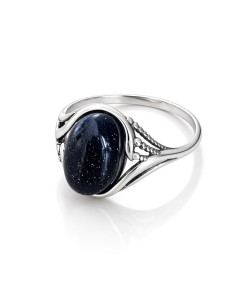
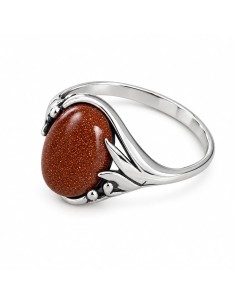
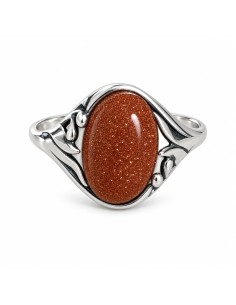
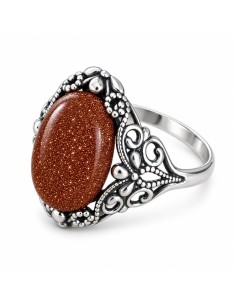
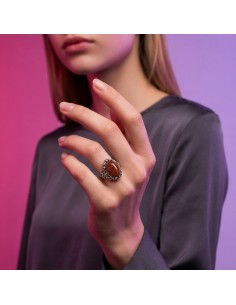
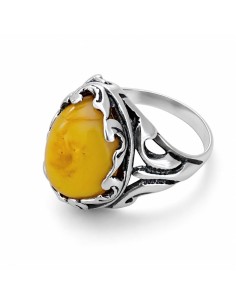
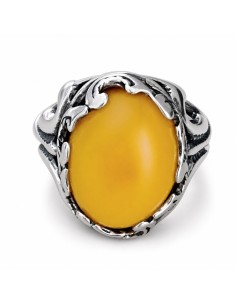
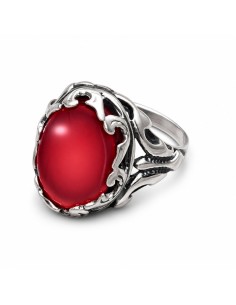
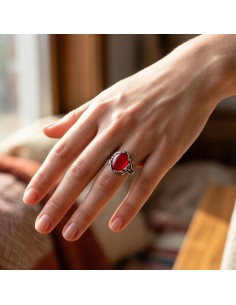
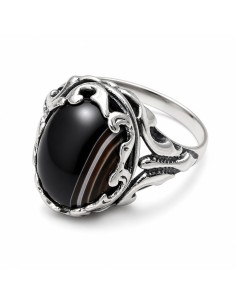
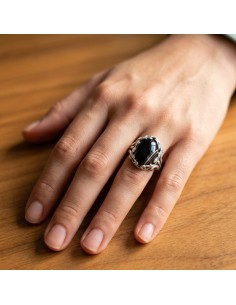
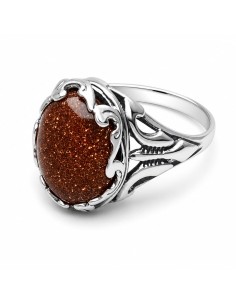
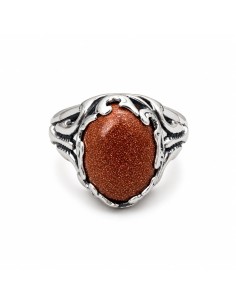
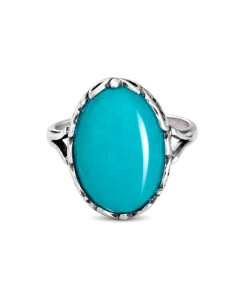
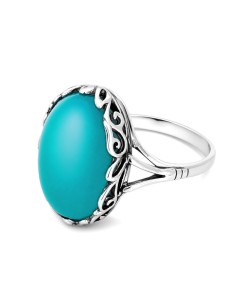
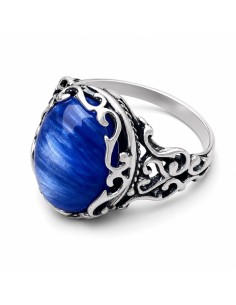
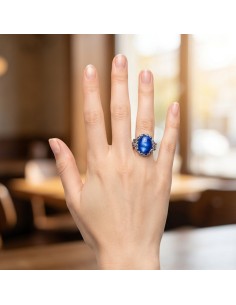
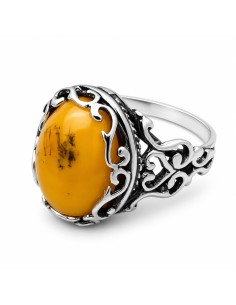
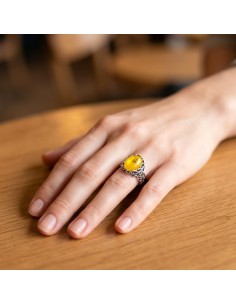
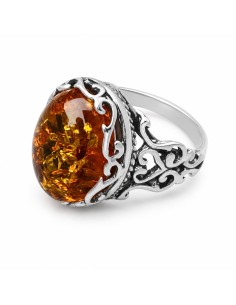
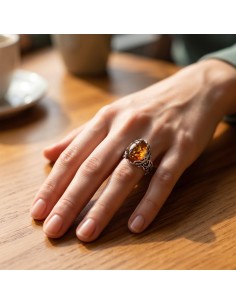
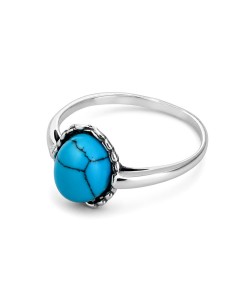
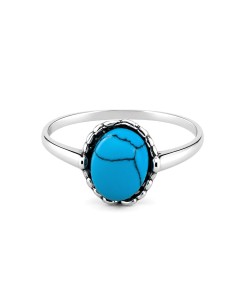
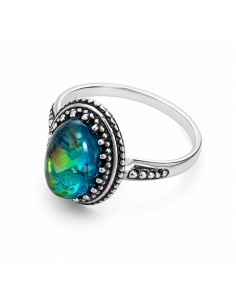
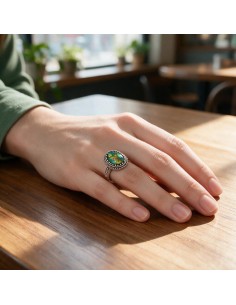
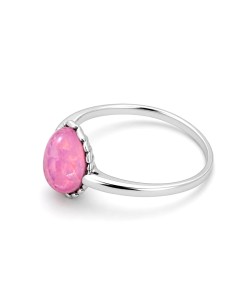
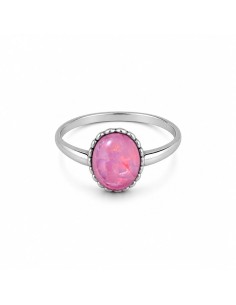
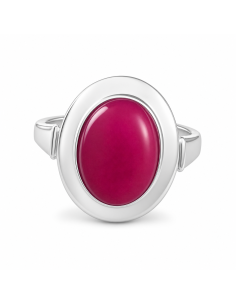
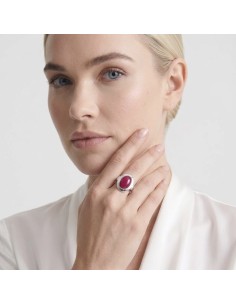
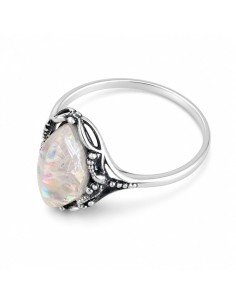
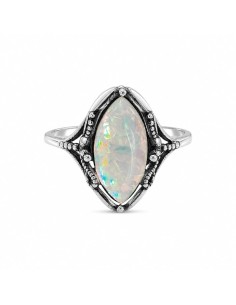
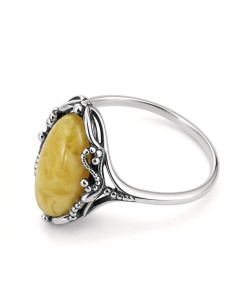
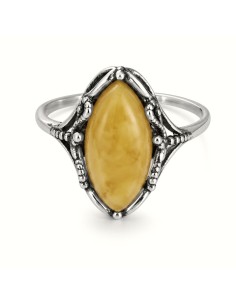
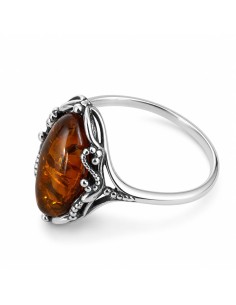
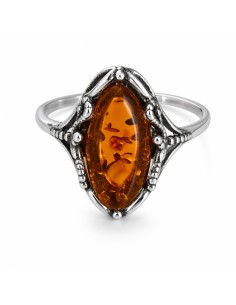
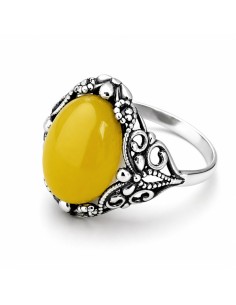
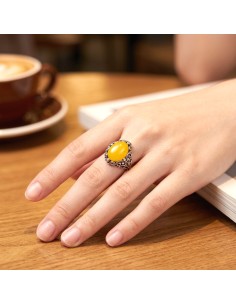
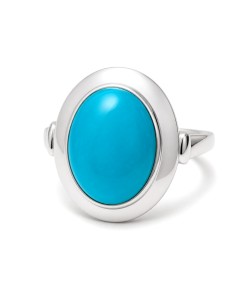
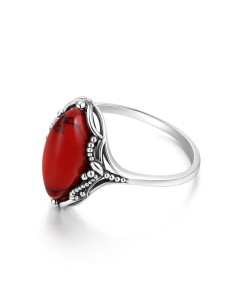
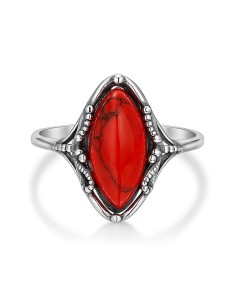
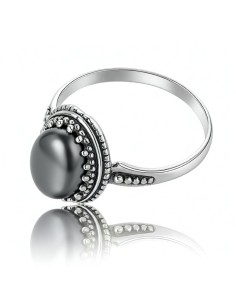
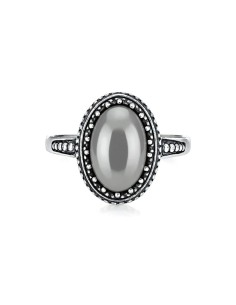
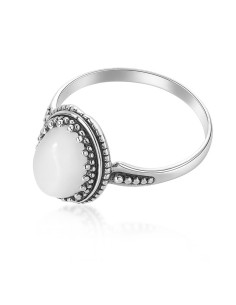
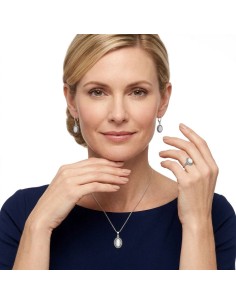
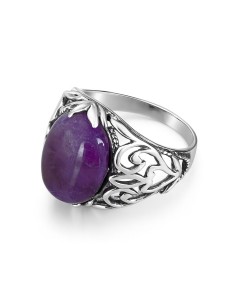
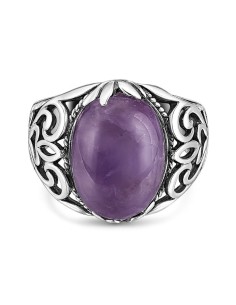
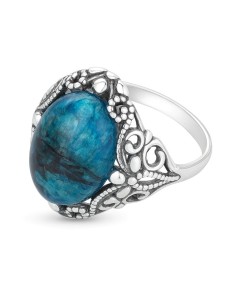
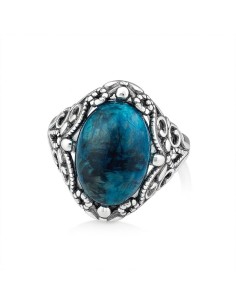
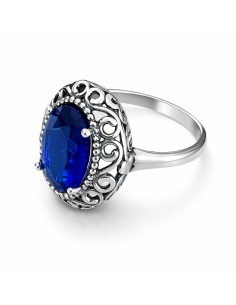
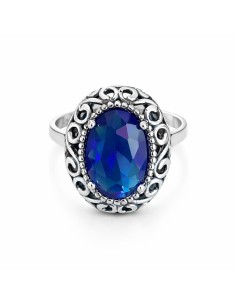
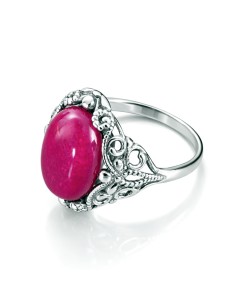
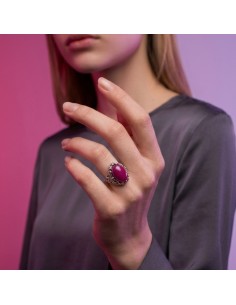
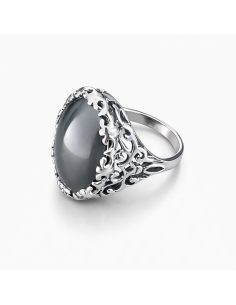
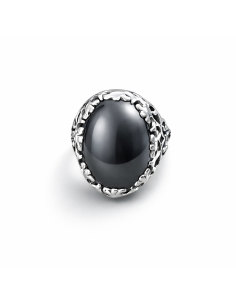
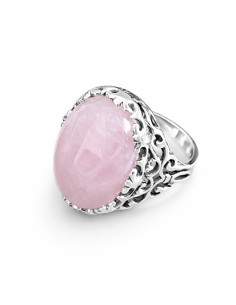
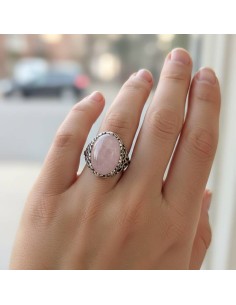
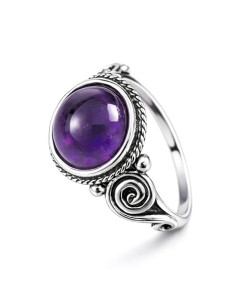
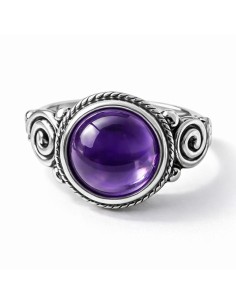
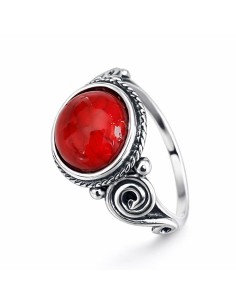
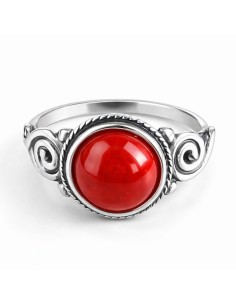
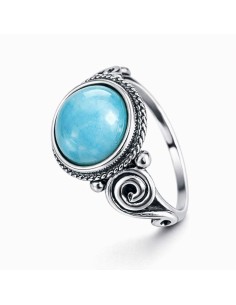
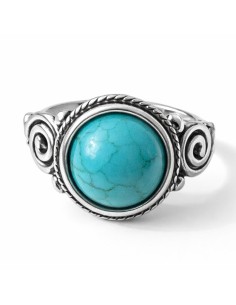
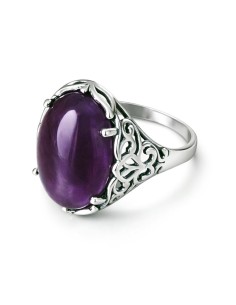
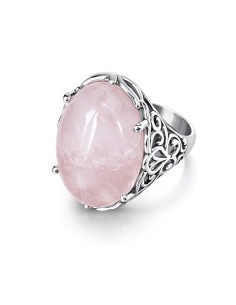
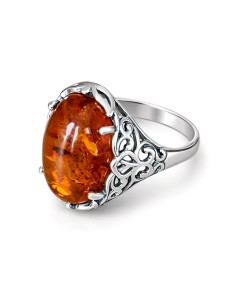
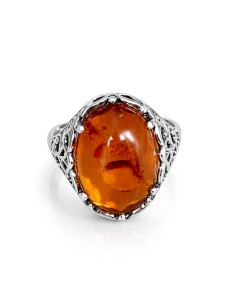
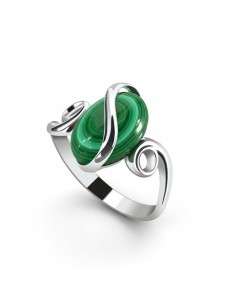
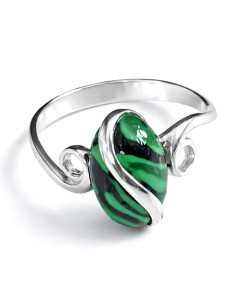
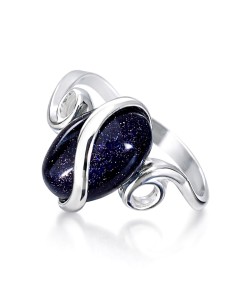
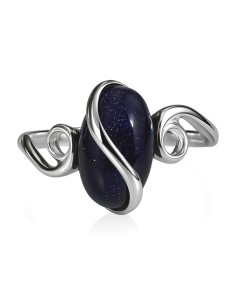
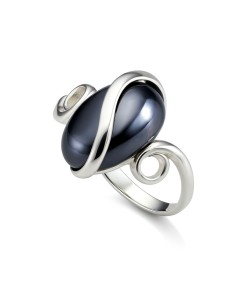
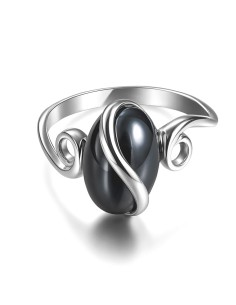
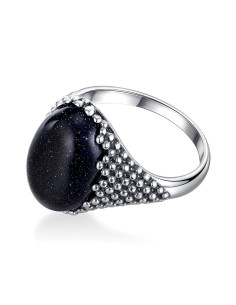
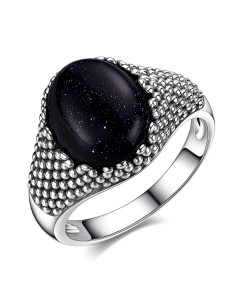
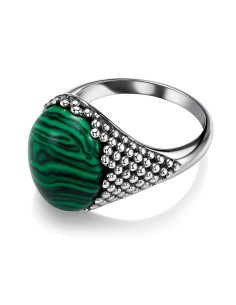
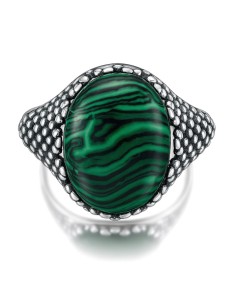
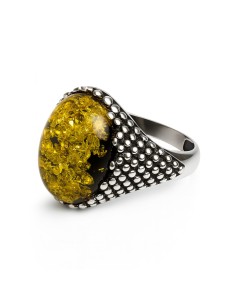
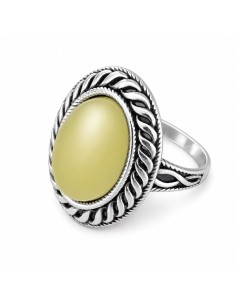
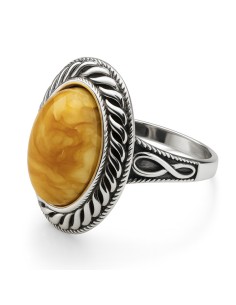
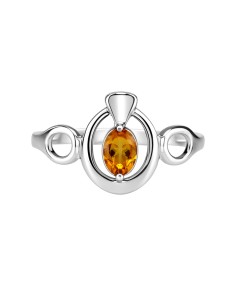
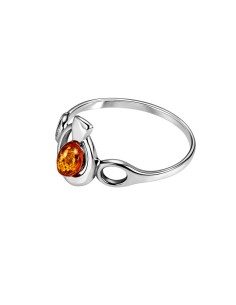
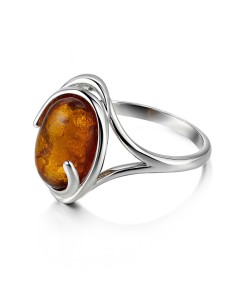
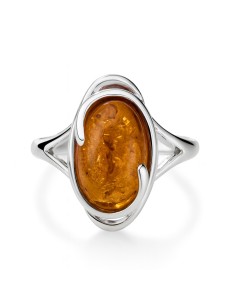
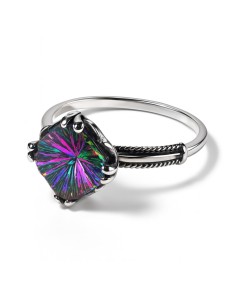
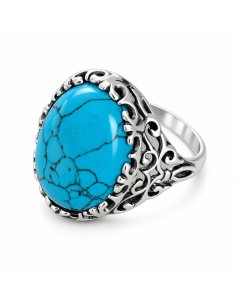
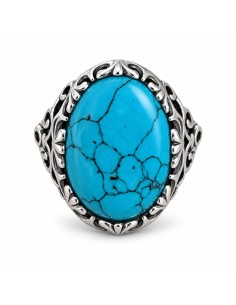
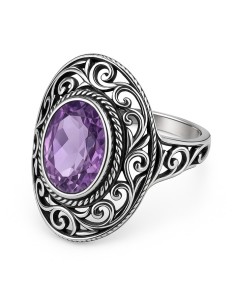
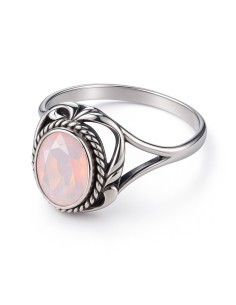
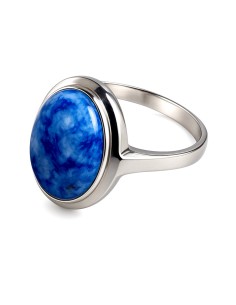
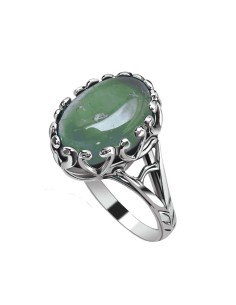
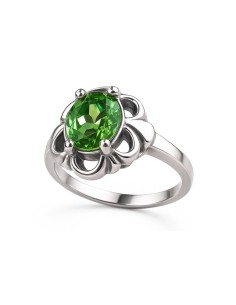
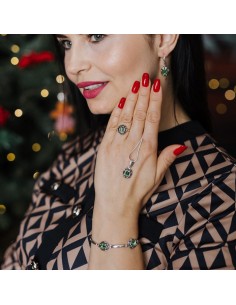
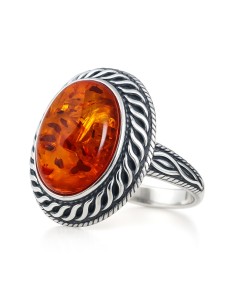
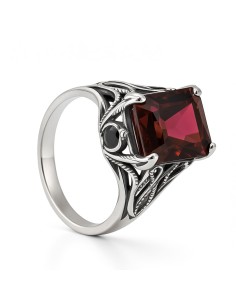
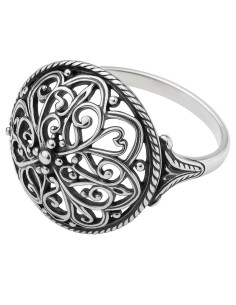
Working with jewelry, we’ve learned that even the most beautiful ring loses its charm when it pinches and is hard to take off, which is why it’s worth measuring your finger before you buy. So our advice is: measure your finger in the evening, check your size from time to time and don’t hesitate to ask a jeweler for advice on the fit. Among our silver rings you’ll find many different settings that bring out their charm — browse our silver rings. If your fingers often swell, choose narrower, lighter designs, which are more comfortable when your finger size changes.
How to wear a ring and when to take it off — frequently asked questions
Should you wear your engagement ring all the time, even when your finger swells?
There’s no rule that says you must — it’s a matter of personal comfort. It’s worth taking it off before a workout, a sauna or working with harsh cleaning products, because that’s when fingers swell the most and the jewelry is most exposed to damage; in those situations it’s better to leave the ring at home.
How should a ring sit on your finger? Should it spin?
It should slide over the knuckle with slight resistance and sit securely at the base of the finger, without spinning and without leaving pressure marks. Temporary tightness on a hot day or after a salty meal is normal, but constant pressure means the size is too small.
Why is a wedding band worn on the ring finger?
It’s mainly a tradition that has become culturally established. The fact that this finger is comfortable and less exposed to knocks than the others also makes it easier to wear a wedding band every day — just pay attention to the ring size.
Can a ring be sized up or down?
A jeweler can assess whether a silver ring can be enlarged without damaging the stones or delicate details, so that it passes over the joint more easily. Stretching a ring yourself usually ends up deforming it, so it’s better to leave the job to a professional.


























Comments (0)