- Silver Jewelry Tips
- 0 likes
- 1915 views
- sterling silver rings, how to measure ring size, ring size chart, ring size in mm, find your ring size, ring sizing tips
We often get asked what a listing such as “size 13 — 16.67 mm” means, and how to measure ring size so that a ring fits your finger.
| Jeweler’s size (PL) | Inner circumference (mm) | Inner diameter (mm) |
|---|---|---|
1 | 39.80 | 12.67 |
2 | 40.84 | 13.00 |
3 | 41.88 | 13.33 |
4 | 42.95 | 13.67 |
5 | 43.98 | 14.00 |
6 | 45.02 | 14.33 |
7 | 46.09 | 14.67 |
8 | 47.12 | 15.00 |
9 | 48.16 | 15.33 |
10 | 49.23 | 15.67 |
11 | 50.27 | 16.00 |
12 | 51.30 | 16.33 |
13 | 52.37 | 16.67 |
14 | 53.41 | 17.00 |
15 | 54.44 | 17.33 |
16 | 55.51 | 17.67 |
17 | 56.55 | 18.00 |
18 | 57.59 | 18.33 |
19 | 58.65 | 18.67 |
20 | 59.69 | 19.00 |
21 | 60.73 | 19.33 |
22 | 61.80 | 19.67 |
23 | 62.83 | 20.00 |
24 | 63.87 | 20.33 |
25 | 64.95 | 20.67 |
26 | 65.97 | 21.00 |
27 | 67.01 | 21.33 |
28 | 68.08 | 21.67 |
29 | 69.12 | 22.00 |
30 | 70.15 | 22.33 |
31 | 71.22 | 22.67 |
32 | 72.26 | 23.00 |
33 | 73.29 | 23.33 |
As the table shows, there are two ways to express the size of a ring or wedding band: by its inner diameter or by its inner circumference. On our product pages, every ring lists its available size (on the jeweler’s scale) together with its inner diameter, which makes it easy to compare with a ring that already fits you or to check the size at a jewelry store. For reference, a US size 6 has an inner diameter of about 16.5 mm and a US size 7 about 17.3 mm.
Quick summary — how to measure ring size
| Key point | Explanation |
|---|---|
| 1. Get your measuring tools ready | Gather a caliper, a ruler and a tape measure for an accurate measurement. |
| 2. Measure at the right time | For accuracy, it’s best to measure in the evening, when your fingers are at their natural size. |
| 3. Compare with the size chart | Measure the circumference of your finger and compare it with the chart, keeping the band-width recommendations in mind. |
| 4. Check the fit before buying | Make sure the ring sits well on your finger before you make a purchase. |
| 5. Mind rings with natural stones | For rings with stones, choose a slightly larger size to avoid damage. |
Step 1: Get the right measuring tools ready
Before you measure your ring size, gather a few simple tools that will help you get a precise result. An accurate measurement is the key to ordering a ring that fits your finger perfectly.
The most important tools to have on hand are a caliper, a ruler, a tape measure or an ordinary piece of thread, and a pen to mark the measuring points. A caliper gives you the greatest precision, but if you don’t have one, the other tools will do just fine. A tailor’s tape measure or thin thread is a great alternative to professional instruments.
Remember to measure at room temperature, because temperature can affect the circumference of your finger. While measuring, make sure the fit is neither too tight nor too loose. Your ring should slide on freely, but without any risk of slipping off by accident.
Pro tip: Measure several times at different times of day to make sure you get the most representative result.
Here’s a comparison of tools for measuring your finger at home:
| Tool | Precision | Advantages | Possible difficulties |
|---|---|---|---|
| Caliper | Very high | Quick, accurate result | Takes some practice to use |
| Ruler | Medium | Easy to use and found in every home — enough to measure your finger and find your ring or band size. | Possible inaccuracy when rounding |
| Tailor’s tape measure | Good | Flexible, easy to wrap around the finger | Can stretch while measuring |
| Thread | Fair | Universal, works for everyone | Hard to mark the exact point |
Step 2: Measure your finger accurately — how to measure ring size at home
Now it’s time to measure your finger precisely and determine the inner diameter of your ring. This step is crucial for a ring that sits perfectly around your finger and looks stunning. It takes patience and accuracy, so take a moment to do it carefully.
Take a thin thread or a narrow strip of paper and wrap it around the widest part of your finger, usually at the knuckle. Make sure it’s neither too tight nor too loose: a measurement taken too tight will give you a size that’s too small, and one taken too loose a size that’s too big. Gently mark the spot where the ends of the thread or strip meet, then lay it flat and measure its length with a ruler.

Remember that the best time to measure is in the evening, when your fingers are at their natural size. Hands can swell or shrink slightly during the day depending on temperature, physical activity or hydration. That’s why it’s a good idea to measure several times at different times of day to get the most reliable result.
Pro tip: If you’re between two sizes, always choose the slightly larger one, especially for rings with a wider band.
Step 3: Check your result against the ring size chart
Now comes the key moment: verifying your measurement. A ring size chart is a real treasure trove that helps you match a ring precisely to your finger. Get ready to pin down the size that will decide how comfortable your jewelry feels.
A professional ring size chart gives you three basic pieces of information: the ring size number, its inner diameter and its circumference in millimeters. Keep in mind that each size differs from the next by only about 0.3 mm in diameter. That’s why it’s so important to compare your measured finger circumference carefully with the chart. If your measurement falls between two sizes, it’s always better to choose the slightly larger one.
When choosing a ring, pay special attention to its width. For wider bands, it’s recommended to go up 1–2 sizes for comfort and ease of wear. Compare your measurement with the chart carefully and don’t rush your decision. Accuracy at this stage means you’ll wear your dream jewelry in comfort.
Ring sizing
How to Measure Ring Size — Quick Tips
Tools
- A thin thread or a narrow strip of paper
- A ruler to measure the marked length
- A pen to mark where the ends meet
Tips
- Measure several times, at different times of day
- Measure in the evening, when fingers are their natural size
- Between two sizes? Choose the slightly larger one
For a better overview, here’s how the recommended size changes with band width:
| Band width | Recommended size | Reason | Comfort |
|---|---|---|---|
| Narrow (up to 3 mm) | Same as measured | Minimal resistance when putting it on | Very comfortable |
| Standard (4–6 mm) | +1 size | Slides more easily on the finger | Comfortable for most people |
| Wide (over 7 mm) | +1 or +2 sizes | More resistance; prevents a tight feel | Recommended for wider bands |
Pro tip: Always keep a ruler handy when checking the size chart so you can confirm your measurement right away.
Step 4: Check the ring’s fit before you buy
Now comes the decisive moment of verifying your choice. Checking the ring size carefully is not only about comfort, but also about looks and confidence. Take the time for a proper fit check before you make your final choice.
Before buying, do a few key tests. The ring should slide off your finger with a gentle movement of the hand, but it must not be so loose that it falls off on its own. Pay special attention to the band width: the wider it is, the larger the size you’ll need to stay comfortable. If in doubt, keep in mind that a jeweler can usually enlarge a ring slightly if needed.
If you can, consult a professional. An experienced jeweler has precise tools and can take an accurate measurement, removing any uncertainty. A perfectly fitting ring means comfort and confidence with every movement of your hand.
Pro tip: Before your final purchase, check the fit with your hand in different positions to make sure the ring will be comfortable in everyday wear.
Step 5: Follow these tips for rings with natural stones
Rings with natural stones need special care and attention when you choose the size. Every natural stone is different, so fitting such a ring takes a little more attention than with classic rings or bands.
When trying on a ring with a natural stone, pay special attention to the setting. The stone should be held securely, but not under strain. A ring that’s too tight can create stress that may damage the delicate structure of the stone. At the same time, a ring that’s too loose lets the stone move around, which risks it coming loose or damaging the setting.
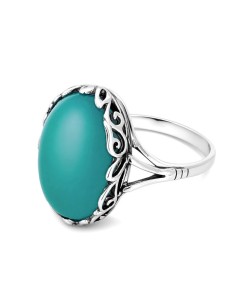
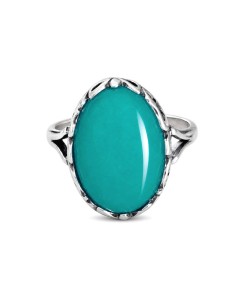
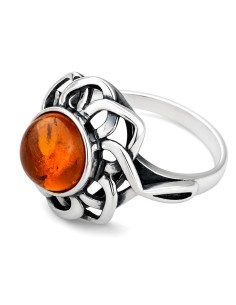
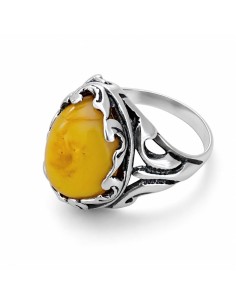
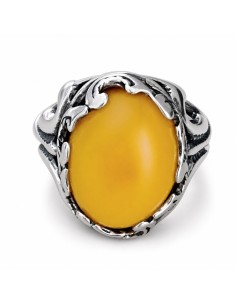
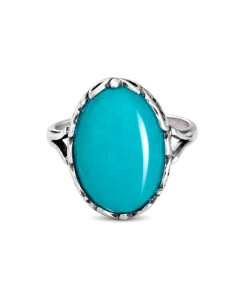
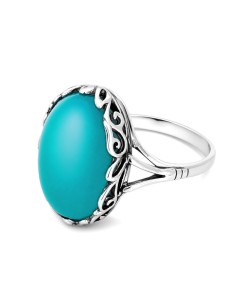
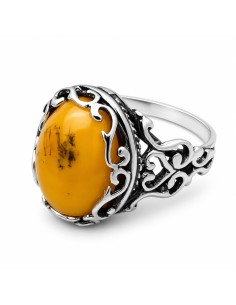
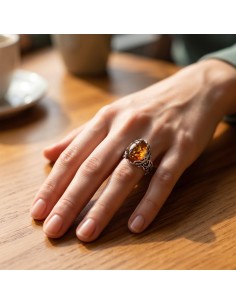
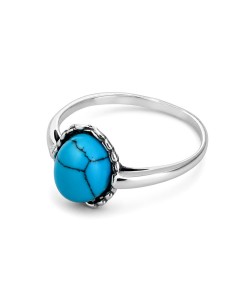
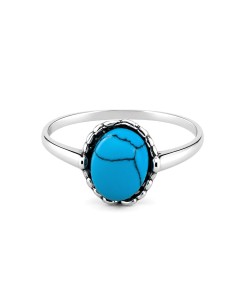
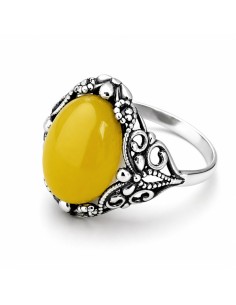
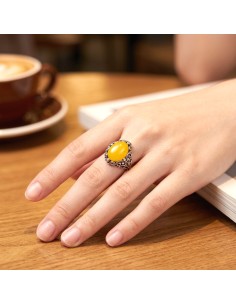
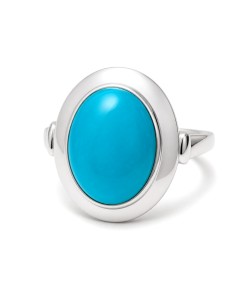
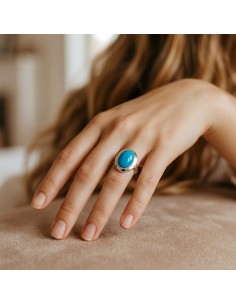
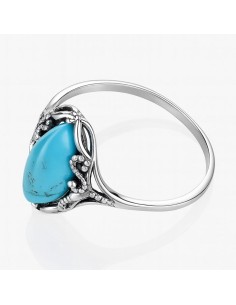
Remember that some stones, such as turquoise, agate or amber, are more delicate and need even more care. It’s always better to choose a slightly larger size that gives you freedom and comfort than to risk damaging a precious stone with a fit that’s too tight.
Pro tip: Before buying a ring with a natural stone, ask an expert to help you find the right size for that particular stone.
Find your perfect ring size and discover hand-finished silver jewelry
Measuring your finger precisely is the foundation of comfort and good looks in your new ring. If you want to avoid disappointment and enjoy a perfect fit, follow the practical tips in this guide. Precise measurements, plus taking band width and natural stones into account, are key to making sure your engagement ring not only dazzles but also sits comfortably on your finger.
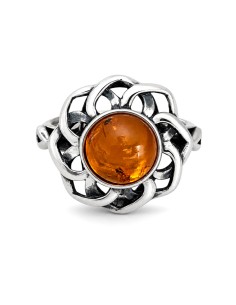
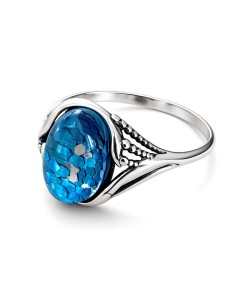
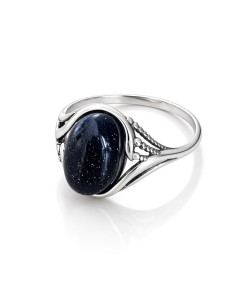
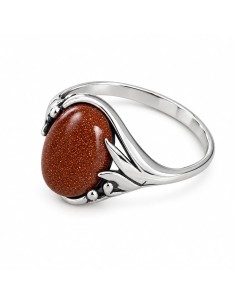
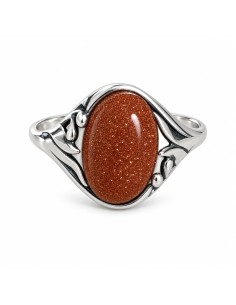
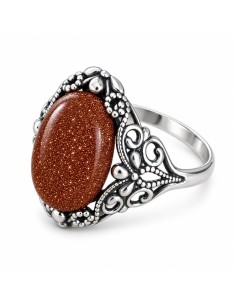
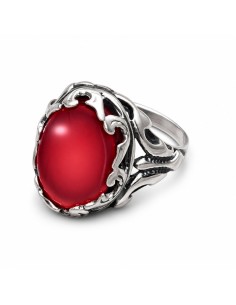
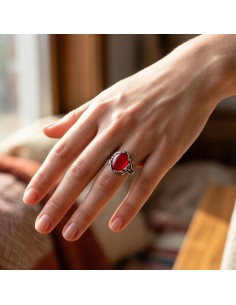
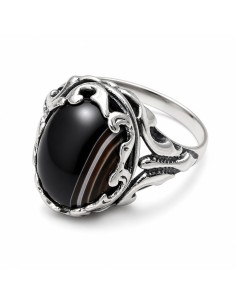
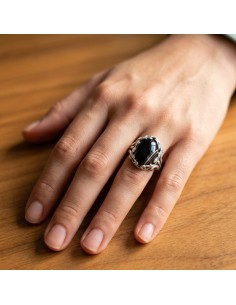
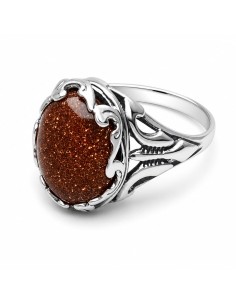
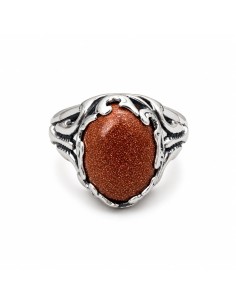
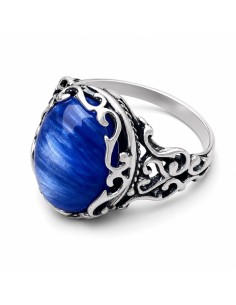
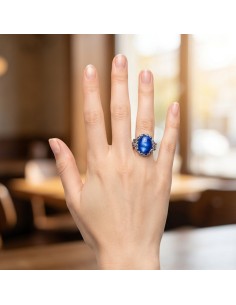
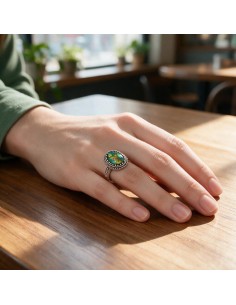
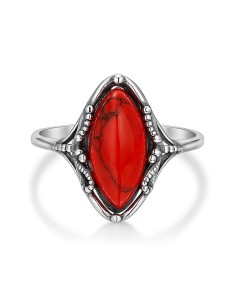
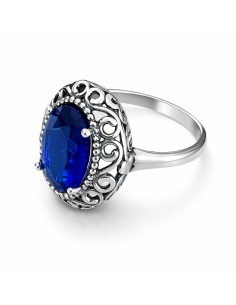
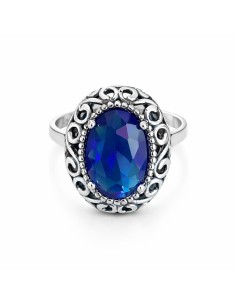
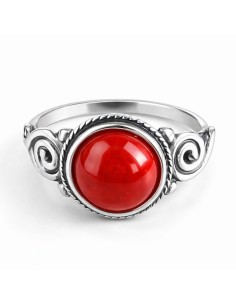
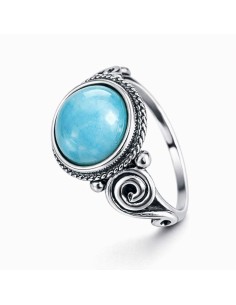
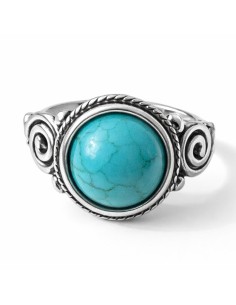
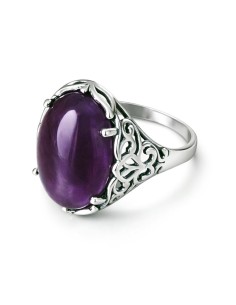
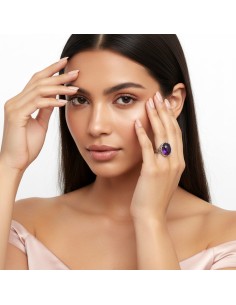
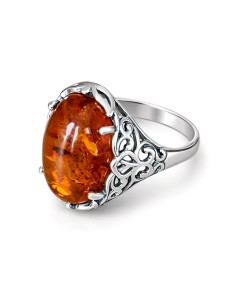
We invite you to explore our collection of sterling silver jewelry, cast and hand-finished at Polcarat Design. You’ll find rings with stones such as agate, amber or turquoise that combine original design with precise workmanship. Use our tips to measure your size, then discover the beauty and comfort of jewelry made with passion. Choose your perfect ring now at polcaratdesign.pl and show off your personal style.
Frequently asked questions — how to measure ring size
What tools do you need to measure your ring size yourself?
To measure your ring size, have a caliper, a ruler, a tape measure or thin thread, and a pen to mark the measuring points. A caliper gives the most precise result, but the other tools will be good enough too.
How do you measure your finger for a ring at home? Do you need to visit a jeweler?
Wrap a thin thread or a strip of paper around the widest part of your finger, mark where the ends meet and measure the length. Make sure it’s neither too tight nor too loose for an accurate result. You don’t have to visit a jeweler, although a measurement taken in a jewelry store will be more precise.
How do you check your ring size after measuring? Using the ring size chart
After measuring, check the result in the size chart by comparing your measured circumference with the values listed. If your measurement falls between two sizes, it’s always better to choose the slightly larger one.
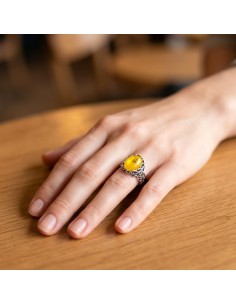
How do you check the fit of a ring before buying?
Before buying, make sure the ring slides on and off your finger easily but doesn’t fall off on its own. Check how it feels with your hand in different positions to be sure it will be comfortable in everyday wear.
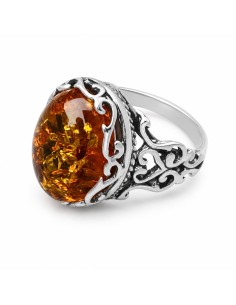
How do you choose the size of a ring with natural stones?
Rings with natural stones need more care when fitting. Choose a slightly larger size to avoid stress that could damage a delicate stone and to make sure the ring is comfortable to wear.
What are the most important tips for measuring ring size?
Always measure at room temperature, ideally in the evening. You can also measure several times during the day to get the most representative result.
Our recommendation — how to read ring sizes in our store
In our store we always give two measurements, usually like this: 17 / 18.00 mm. That means the jeweler’s size is 17 and the inner diameter is 18 mm. The jeweler’s size is easiest to check in a jewelry store, while the diameter or circumference you can check yourself — and if you use US sizes, the inner diameter is the number to compare. You’ll find all our products in this category here: STERLING SILVER RINGS
A few rings we recommend:
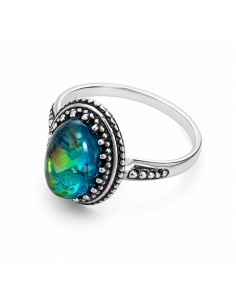
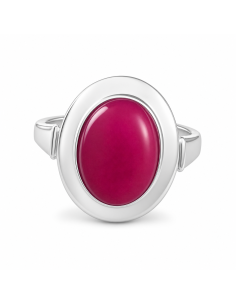
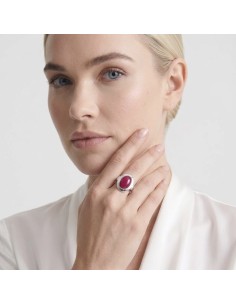
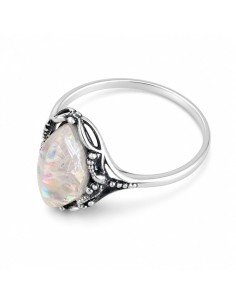
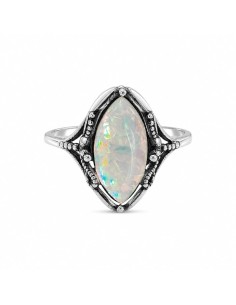
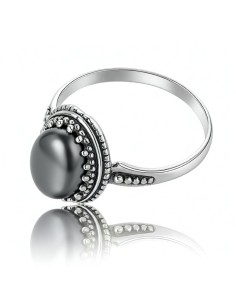
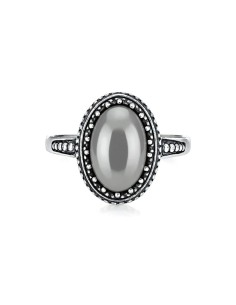
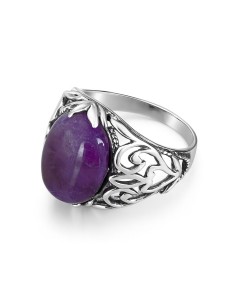
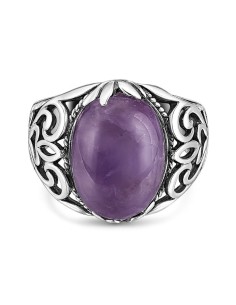
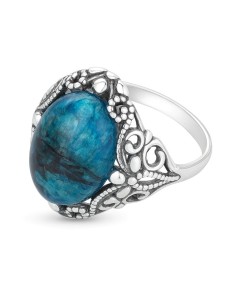
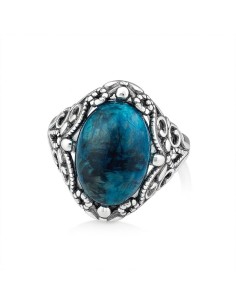
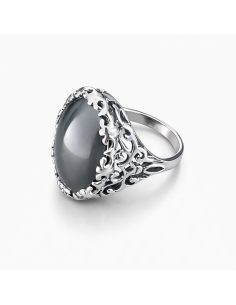
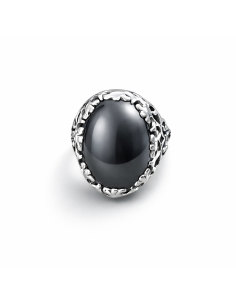
- Sterling silver ring with labradorite, PK 2129, Polcarat Design
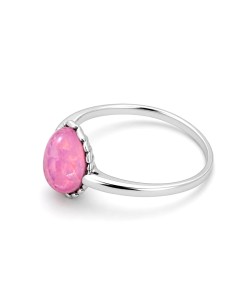
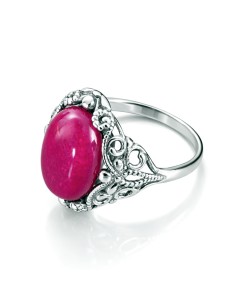
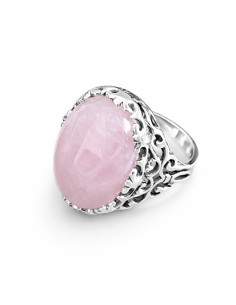
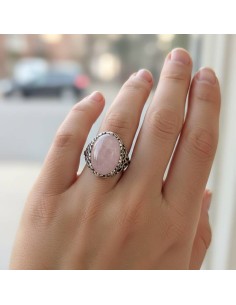
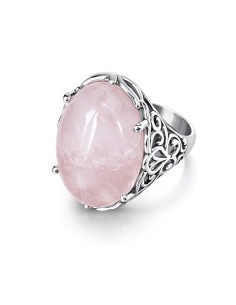
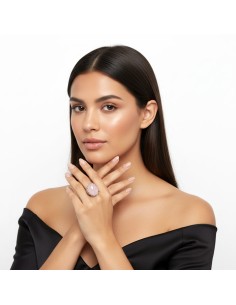
- Sterling silver ring with rose quartz by Polcarat Design
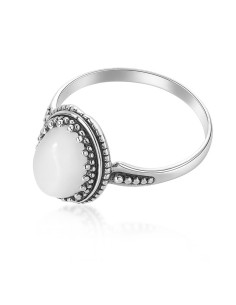
- Sterling silver ring with mother-of-pearl, PK 2136, Polcarat Design
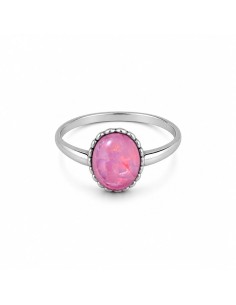
- Sterling silver ring with rose quartz, PK 2135, Polcarat Design