In short: if you don’t like jewelry, start with one light piece that doesn’t get in the way: small stud earrings, a fine chain or a plain ring. Wear it every day for a week until you stop noticing it. Only then add more pieces in the same metal. “Less is more” is your best friend here.

“I don’t wear jewelry, it’s just not me” – we hear it a lot. Behind it there’s usually not a lack of taste but bad experiences: earrings that pulled on the earlobe, a bracelet clanking against the keyboard, the feeling of looking overdressed. The good news is that jewelry can be comfortable, understated and truly yours. This guide shows how to start wearing jewelry step by step, without overhauling your wardrobe.

Why don’t you like wearing jewelry? 5 common reasons

  • It gets in the way. Large earrings catch on hair and scarves, rings bother you at work. The fix: flat, light shapes and the right size.
  • You feel overdressed. Too many pieces at once or a style that isn’t you. The fix: one detail instead of a full set.
  • You don’t know what goes with what. Choosing jewelry feels complicated. The fix: one metal color and a few versatile pieces.
  • You forget to put it on. Your jewelry sits in a box because mornings are rushed. The fix: pieces you don’t need to take off every day.
  • It feels too flashy. Gold, diamonds and sparkle for the evening. The fix: minimalist silver jewelry that looks natural even with jeans.

How to start wearing jewelry – 7 steps for beginners

  1. Start with one piece. Small stud earrings or a fine chain with a tiny pendant are ideal – after a few days you won’t even feel them.
  2. Choose light, flat shapes. Avoid big pieces at first: a chunky necklace, large drop earrings or a wide cuff can come later.
  3. Stick to one metal. Sterling silver 925 is versatile and goes with most clothes. One metal color makes mixing pieces easy.
  4. Match jewelry to your style. If you dress casually, choose simple shapes. If you prefer classics, a pearl or a small stone. Jewelry should suit you, not a catalog photo.
  5. Wear it every day for a week. Habits form faster than you think. After a week you’ll feel something is missing without your earrings – and you’ll learn your own preferences.
  6. Add gradually. Once your first piece feels natural, add a second one: a ring or a bracelet. If you already wear a wedding band or an engagement ring, that’s your first piece of jewelry – choose the next ones to go with it.
  7. Keep it balanced. Less is more – one accent per outfit is enough to look put together.

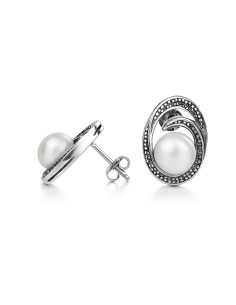
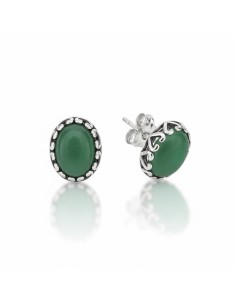
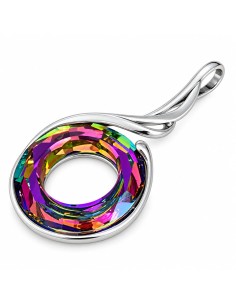
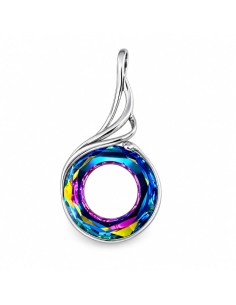
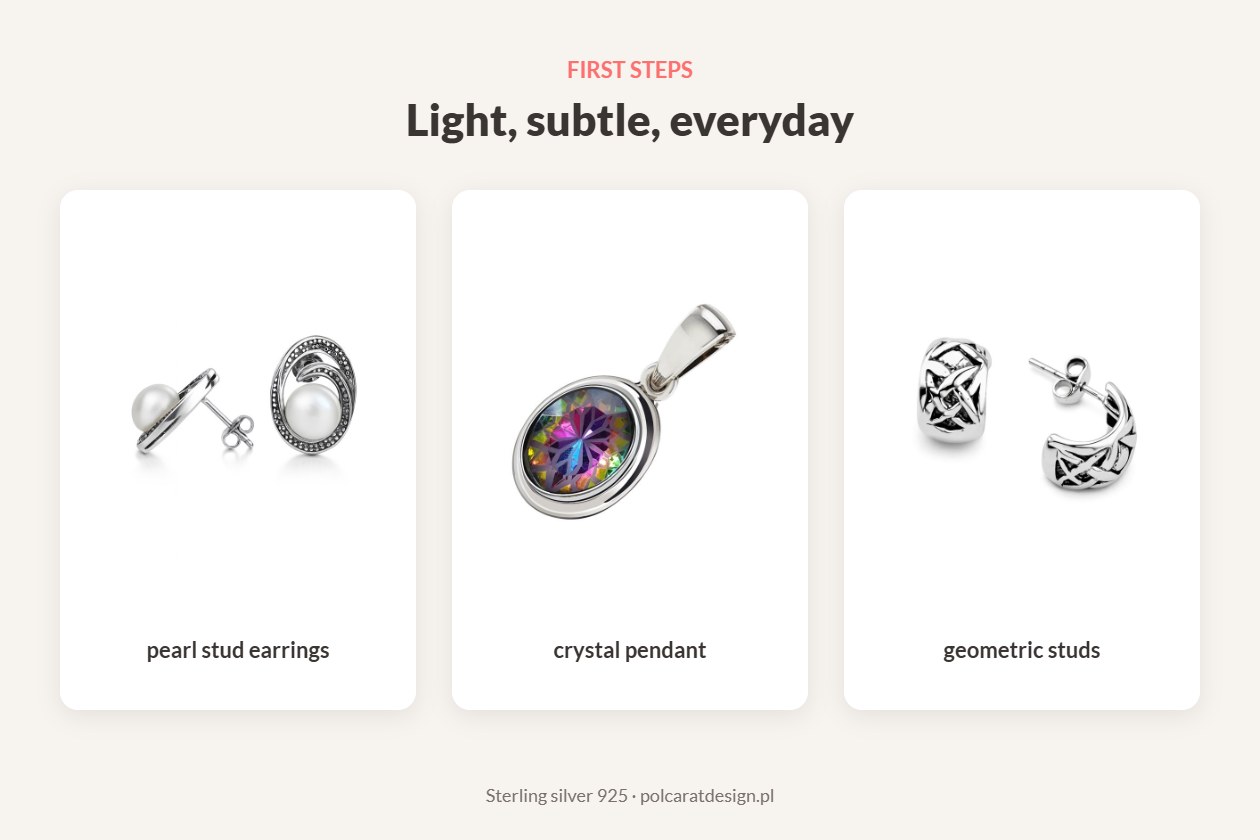
Jewelry for beginners – pearl stud earrings, crystal pendant and geometric studs in sterling silver

Minimalism to start – earrings, necklace, ring or bracelet?

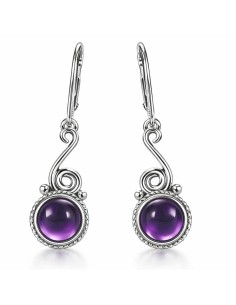
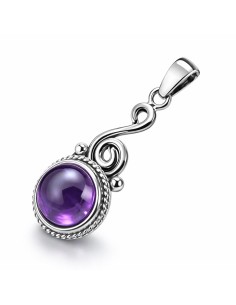
Three pieces that go with everything are enough to start: small earrings, a silver chain with a subtle pendant and a ring without a stone or with a small one. Minimalist jewelry like this looks natural with a white shirt or a hoodie. Small gemstone earrings can also bring out your eye color, which is why they’re often the perfect gift for someone who doesn’t wear jewelry. When you’re ready for a bigger base, read Capsule Jewelry: 7 Essential Pieces.

Matching jewelry to your outfit: neckline, dress code, business meetings and evening looks

  • With jeans and a T-shirt – small earrings and a fine chain. The jewelry fits in without taking over.
  • At work and for business meetings – pearl or small gemstone studs and a discreet ring. A set like this fits any dress code.
  • For an evening look – one stronger accent: drop earrings or a gemstone pendant with an open neckline. Don’t wear a gemstone necklace and bracelet at the same time.
  • For your neckline – with a turtleneck, focus on earrings; with a V-neck, a chain with a pendant.

Stylists often suggest choosing just one area at first: your ears, your neck or your hands. Once you feel confident, you can pair a bracelet with earrings or mix pieces from different collections.

Silver or gold? Jewelry color and your skin tone

Cool silver looks great with fair, cool-toned skin and gray or ash hair, while gold jewelry flatters warm skin tones. In practice, silver is more versatile, and its cool tone is easy to warm up with a stone such as amber. If you love both metals, read our guide to mixing gold and silver jewelry.

Before you start: what to avoid while you’re learning to wear jewelry

  • Heavy bracelets that knock against your desk and tire your wrist.
  • Large rings with a high-set stone that catch on sweaters.
  • Wearing jewelry for chores – take it off before cleaning and workouts to avoid scratches and damage.
  • Buying a full set first – it’s better to choose one piece you’ll love than a set that stays in a drawer.
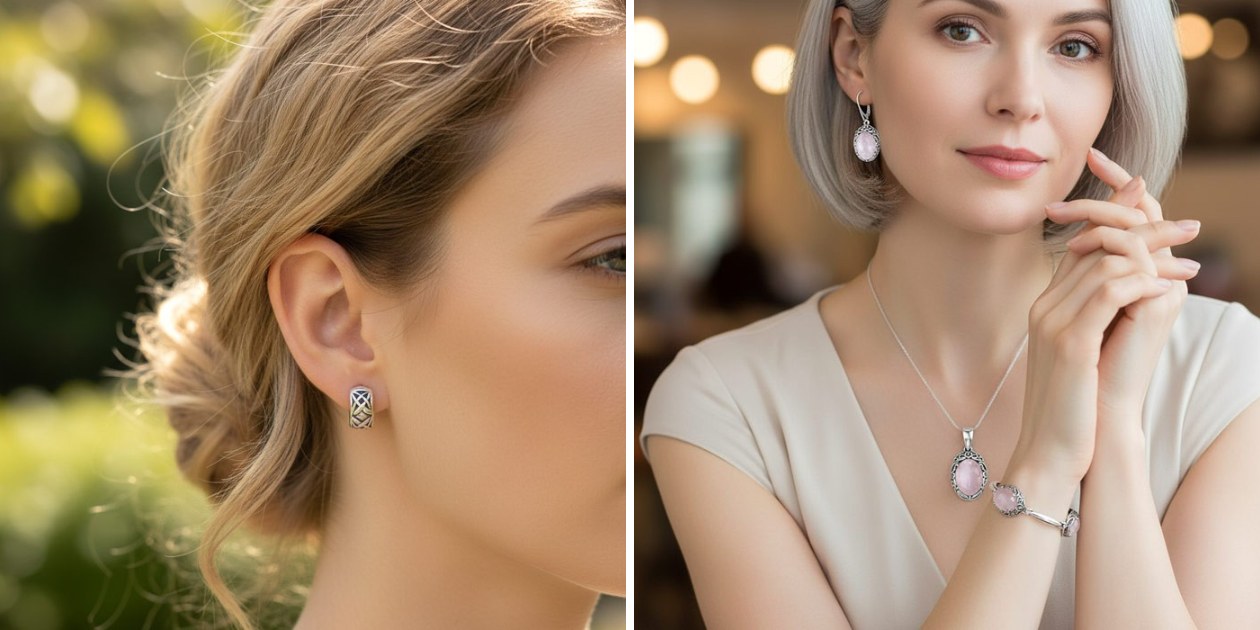
Delicate sterling silver jewelry worn every day – first steps with jewelry

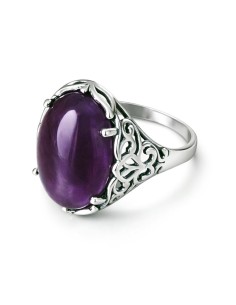
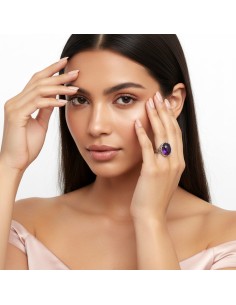
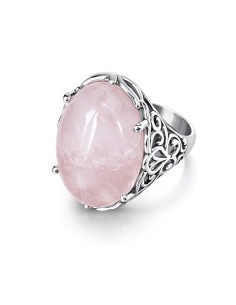
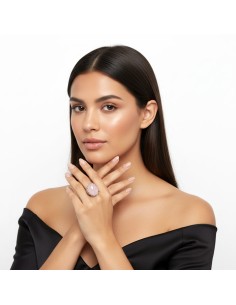
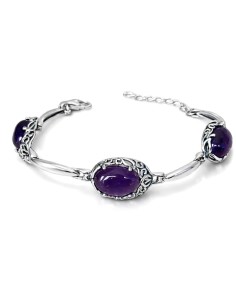
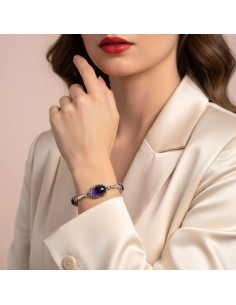
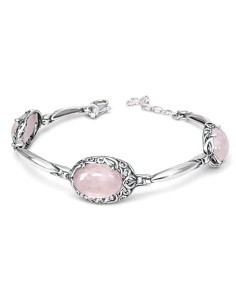
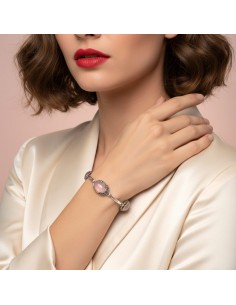
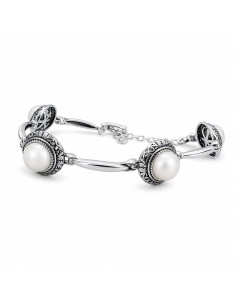
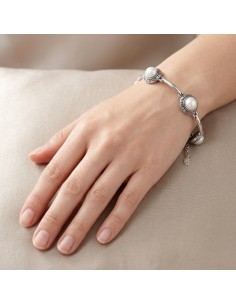
Before you start, remember: you don’t need a full jewelry box right away. One beautiful detail you enjoy wearing is enough. When you’re ready for a stronger accent, browse the gemstone rings, earrings and bracelets below that suit everyday outfits.

FAQ: how to start wearing jewelry

Where should I start with wearing jewelry?

With one light piece that doesn’t get in the way: small stud earrings, a fine chain with a pendant or a ring. Wear it every day until it becomes a natural part of your look.

What jewelry should I choose if I don’t like jewelry?

Minimalist pieces: small, flat shapes in one metal color. Avoid chunky necklaces, large drop earrings and heavy bracelets at first.

How much jewelry should I wear every day?

One or two pieces are enough to start, for example earrings and a ring. “Less is more” works for most everyday outfits.

Silver or gold jewelry for beginners?

Silver is more versatile and easier to pair with clothes in different colors. Gold jewelry flatters warm skin tones.

How do I get used to wearing jewelry?

Put it on in the morning along with your watch or glasses and wear it for a week without a break. After a few days you’ll stop feeling it – and start noticing when it’s missing.

Comments (0)

No comments at this moment
Product added to wishlist