Jadeite vs nephrite: how to tell them apart
Telling jadeite from nephrite is essential for collectors, because the two stones differ in properties and value in ways that directly affect what you pay. For centuries, both were known in China by a single word, yu, and the same overlap in Central America and elsewhere still causes confusion on the market today.
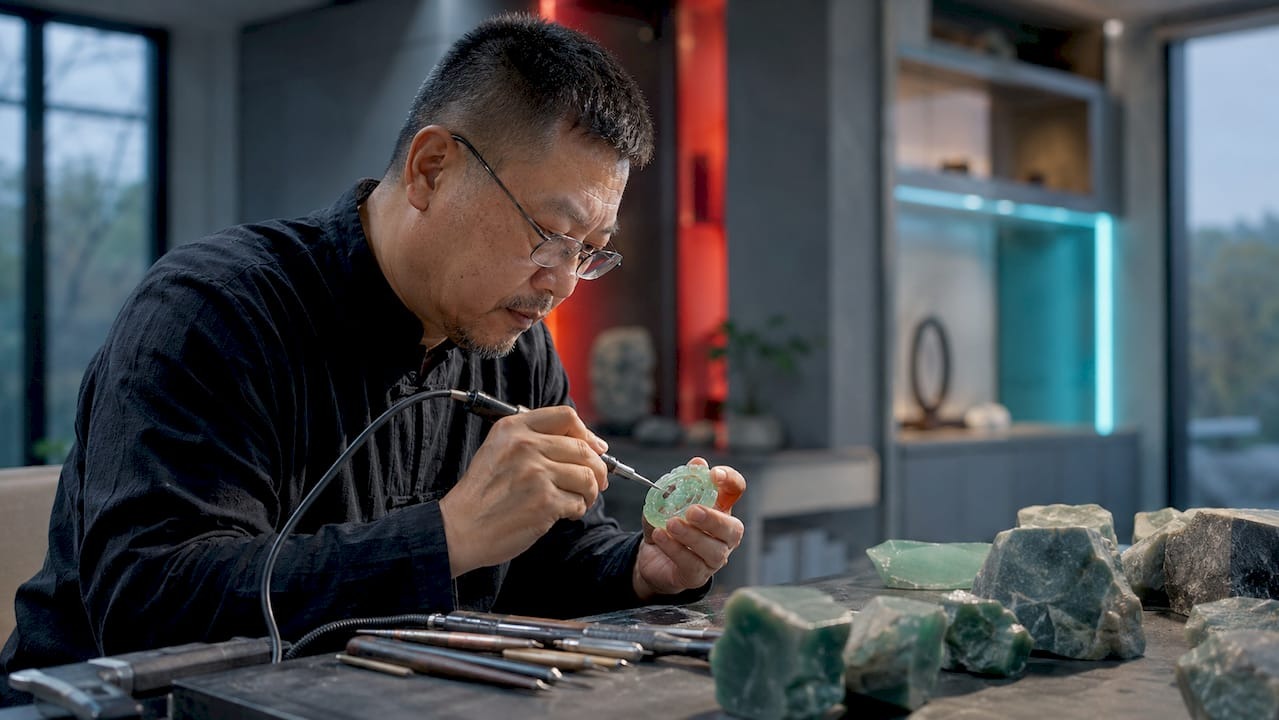
Jadeite is a sodium aluminum silicate from the pyroxene group. Nephrite is a calcium magnesium silicate from the amphibole group, and it is also valued as a green stone. They are two completely different minerals that only look alike to the untrained eye. The distinction was first made in 1863 by the French mineralogist Alexis Damour.
| Feature | Jadeite | Nephrite |
|---|
| Hardness (Mohs scale) | 6.5–7 | 6–6.5 |
| Luster | Vitreous, intense | Waxy, softer |
| Translucency | Often translucent | Usually opaque |
| Main colors | Green, white, lavender, yellow | Green, white, black |
| Main deposits | Myanmar (Burma), Guatemala | China (Hotan), New Zealand, Canada |
| Market value | Higher, especially imperial jade | Lower, though “mutton fat” is highly prized |
| Structure | Microcrystalline, granular | Fibrous, compact |
Jadeite is generally harder and more translucent than nephrite, which makes it better suited to precise jewelry work. Nephrite has a silkier, waxy luster and is more resistant to cracking thanks to its fibrous structure.
Pro tip: If you are buying jade as a significant gift or a collector’s piece, have it tested by a recognized gemological laboratory. Lab testing confirms whether the stone is jadeite, nephrite or an imitation, and whether it has been treated.
How to tell if jade is real
There are several ways to assess whether jade is genuine, and a hardness of 6.5–7 on the Mohs scale is one of the basic properties to start with. Here is a practical step-by-step guide:
Check the hardness. Real jadeite can scratch glass (about 5.5 on the Mohs scale) and isn’t easily scratched by a steel knife. A stone that scratches easily is probably a glass or plastic imitation. Never test a finished piece on a visible spot.
Assess the luster. Genuine jadeite has a characteristic vitreous, intense luster that comes from its microcrystalline structure. Glass imitations have a luster that is too uniform and “dead,” with no depth.
Check the temperature. Jade stays cool to the touch even after being held in the hand for a while. Plastic imitations quickly warm up to body temperature, which can fool an unsuspecting buyer.
Look at the structure. Under a loupe, real jadeite reveals a characteristic granular, microcrystalline texture. Glass is homogeneous and lacks this structure.
Examine the color in good light. Natural jade colors have depth and subtle variation. Treated jadeite (so-called type B or C) often has an overly intense, uniform color that looks unnatural.
Ask for lab testing. When buying higher-value jade jewelry, testing by a gemological laboratory and an expert opinion are the only sure way to confirm the authenticity and type of the stone. This protects collectors from costly mistakes.
It’s worth knowing that the market recognizes three categories of jadeite: type A (natural, untreated), type B (bleached and impregnated with resin) and type C (dyed). Only type A has full collector value.
How to wear jade in silver
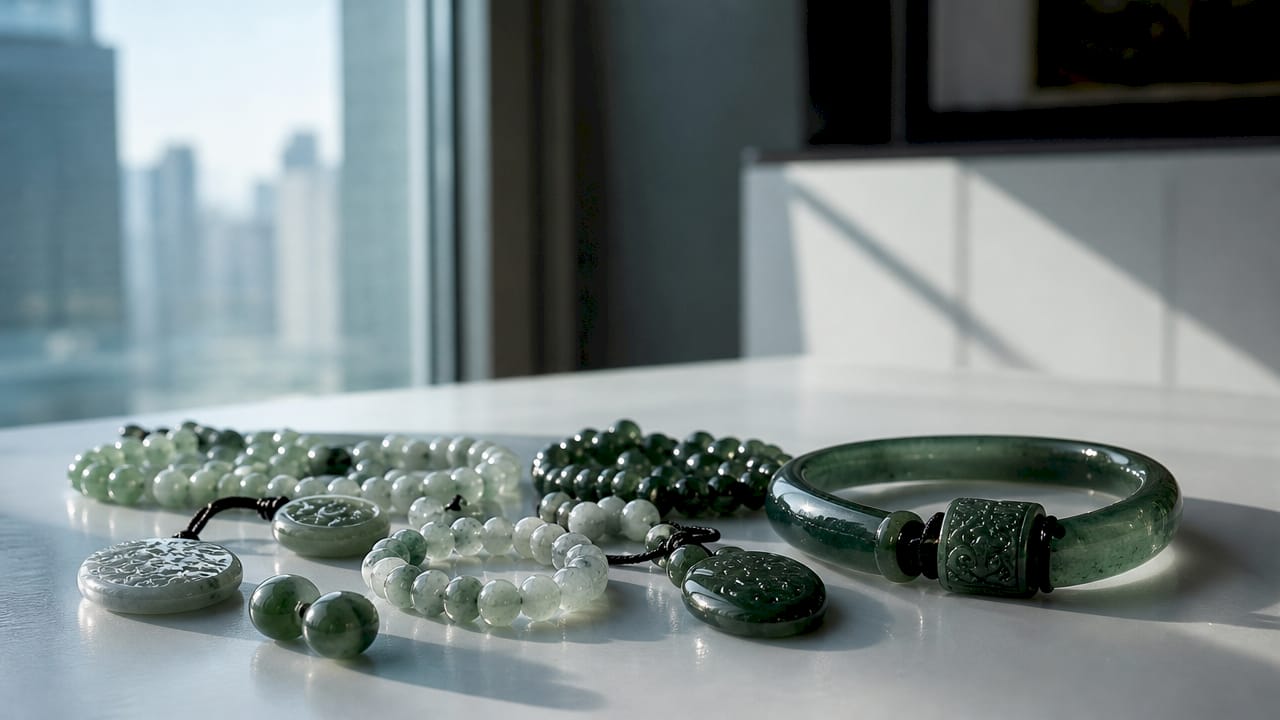
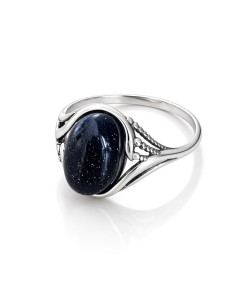
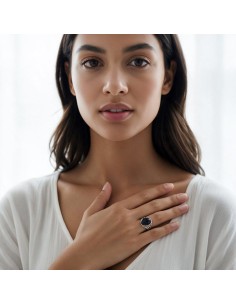
Jade set in silver is a pairing that works like a master’s brushstroke on the canvas of an outfit. Silver brings out the natural luster of the stone without overpowering it, and the cool metal harmonizes with the depth of jade in a way that makes it ideal for jewelry.
Here are a few styling ideas for different tastes:
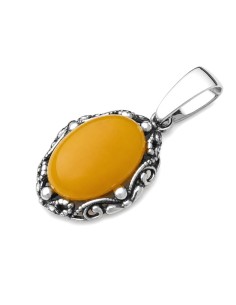
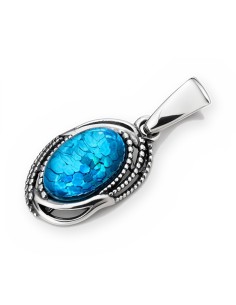
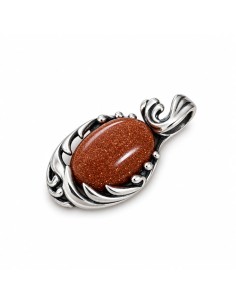
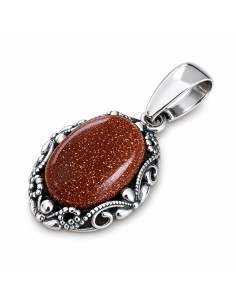
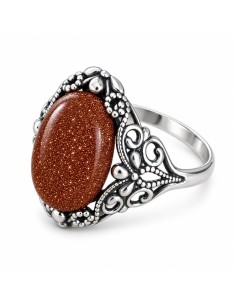
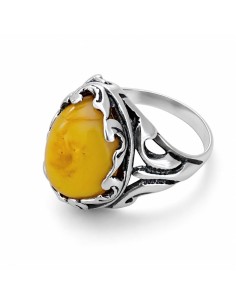
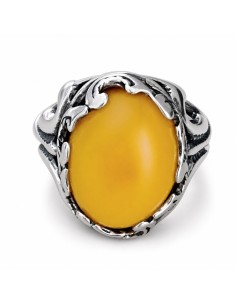
- Women who love the classics will reach for a silver pendant with yellow jade worn on a delicate chain. Yellow jade in silver makes a warm, striking combination that suits both everyday outfits and evenings out
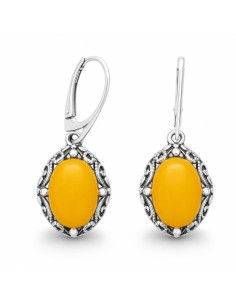
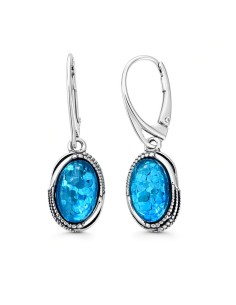
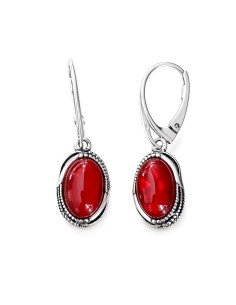
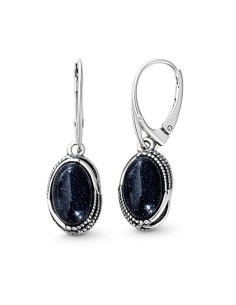
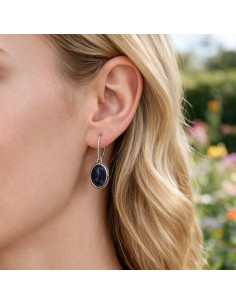
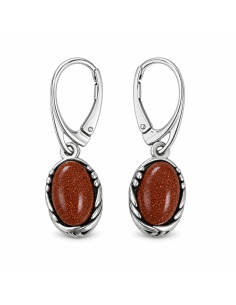
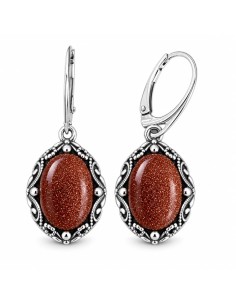
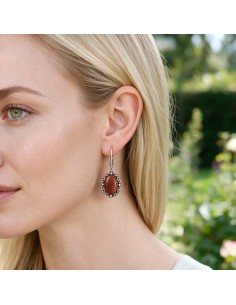
- Minimalists will choose subtle silver earrings with jade that add character without overwhelming the look
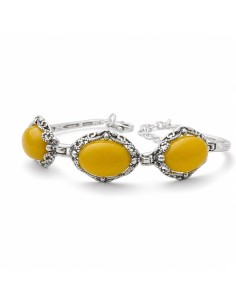
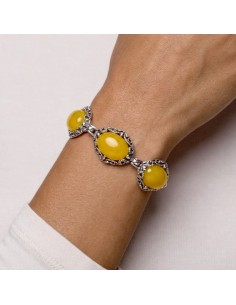
- Active, modern women will appreciate jade bracelets that can be worn every day. Jade is hard enough to withstand daily wear, but it should be protected from knocks
- Collectors will pair jade with other stones, such as aventurine or reconstructed malachite, to create layered looks rich in symbolism
Caring for jade jewelry is simple. Clean the stone with a soft, damp cloth, avoid chemicals and store it separately from harder stones that could scratch it. The silver needs regular polishing to keep its bright shine.
Key facts about jade
Jade owes its value to a rare combination of mineralogical rarity, deep cultural symbolism and timeless beauty.
| Point | Details |
|---|
| Cultural value above material value | In China, jade symbolizes the five Confucian virtues and has been valued above gold for more than 5,000 years; its history is just as important in Central America. |
| A wide range of colors | Jade comes in green, white, lavender, yellow and black. It isn’t limited to the traditional green. |
| Jadeite vs nephrite | They are two different minerals. Jadeite is harder and more translucent, which translates into higher value in jewelry. |
| Authenticity needs verification | Testing by a recognized gemological laboratory is the only sure way to confirm that you are buying genuine type A jadeite. |
| Silver as the ideal setting | Silver brings out the natural luster of jade and creates a harmonious combination that works with many styles. |
Jade through a collector’s eyes
After years of watching the gemstone jewelry market, we have come to the conclusion that jade is one of the most unfairly underrated stones among European buyers. Many people still believe that the only “real” precious stones are emerald, ruby and sapphire. Jade is treated as an exotic curiosity rather than what it really is: one of the most revered gem materials in the world, with a documented history going back 7,000 years.
What fascinates us about jade is its resistance to trends. Fashions come and go, but jade has been jade for thousands of years. Its value doesn’t come from marketing or fashion, but from a deeply rooted cultural tradition that can’t be manufactured.
We also see buyers becoming more aware. More and more people ask about type A and about the difference between jadeite and nephrite. That is a good sign: an informed purchase is one that brings real satisfaction. If we had one piece of advice for someone starting out with jade, it would be this: begin with a small piece of jade set in silver. Feel its weight, its coolness, its depth. Then you will understand why Chinese emperors chose jade over gold.
Discover silver jade jewelry from Polcarat Design
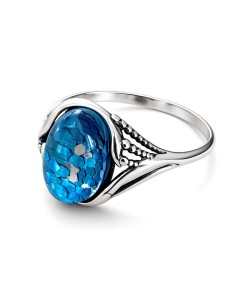
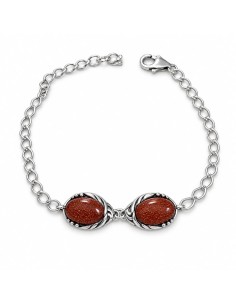
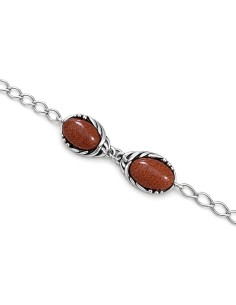
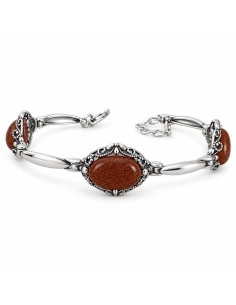
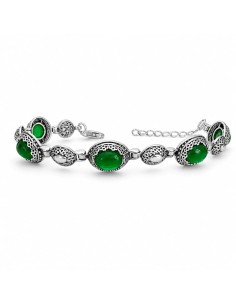
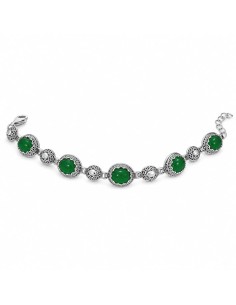
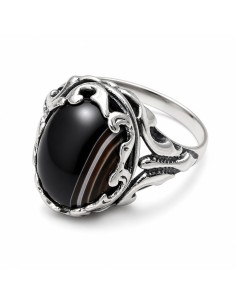
Polcarat Design makes 925 sterling silver jewelry with gemstones, including jade, cast and hand-finished in our family workshop in Rumia, Poland, where we have worked since 1984 with careful attention to every detail. If this guide has inspired you, we invite you to explore our collection. One example is our silver bracelet with yellow jade, which pairs three stones with the elegance of 925 silver. It makes a lovely gift or a confident expression of your own style. You’ll find our full range of gemstone jewelry in our online store.
Jade meaning: FAQ
Why is jade valued above gold in China?
Jade is valued above gold in China because of its cultural symbolism, the rarity of top-quality specimens and a tradition thousands of years old that attributes the five Confucian virtues to it. The finest stones are among the most sought-after pieces at auction.
What is the difference between jadeite and nephrite?
Jadeite and nephrite are two different minerals. Jadeite has a hardness of 6.5–7 on the Mohs scale, a vitreous luster and is often translucent, while nephrite has a hardness of 6–6.5, a waxy luster and is usually opaque. Jadeite is generally more valuable in jewelry, especially the imperial jade from Myanmar, known for its deep green color.
How can I tell real jade when buying?
Real jadeite has a vitreous luster, feels cool to the touch, scratches glass and shows a granular, microcrystalline structure under a loupe. The only sure way to verify authenticity is testing by a recognized gemological laboratory such as GIA.
What colors does jade come in, and which is the most valuable?
Jade comes in green, white, lavender, yellow, orange and black. The most valuable variety is imperial jade, with an intense, juicy green, from deposits in Myanmar — it is the most sought-after at auctions around the world.
Can you wear jade in silver every day?
Yes. Jade set in silver is suitable for everyday wear thanks to its hardness of 6.5–7 on the Mohs scale. Avoid knocks and chemicals, and clean the stone with a soft, damp cloth. The silver needs regular polishing to keep its shine.



Comments (0)