What affects the cost of rhodium plating, and how to plan for it
Now that we understand the process, let’s look at what drives the cost of the treatment.
Renewing silver
The Rhodium Plating Process
1Cleaning
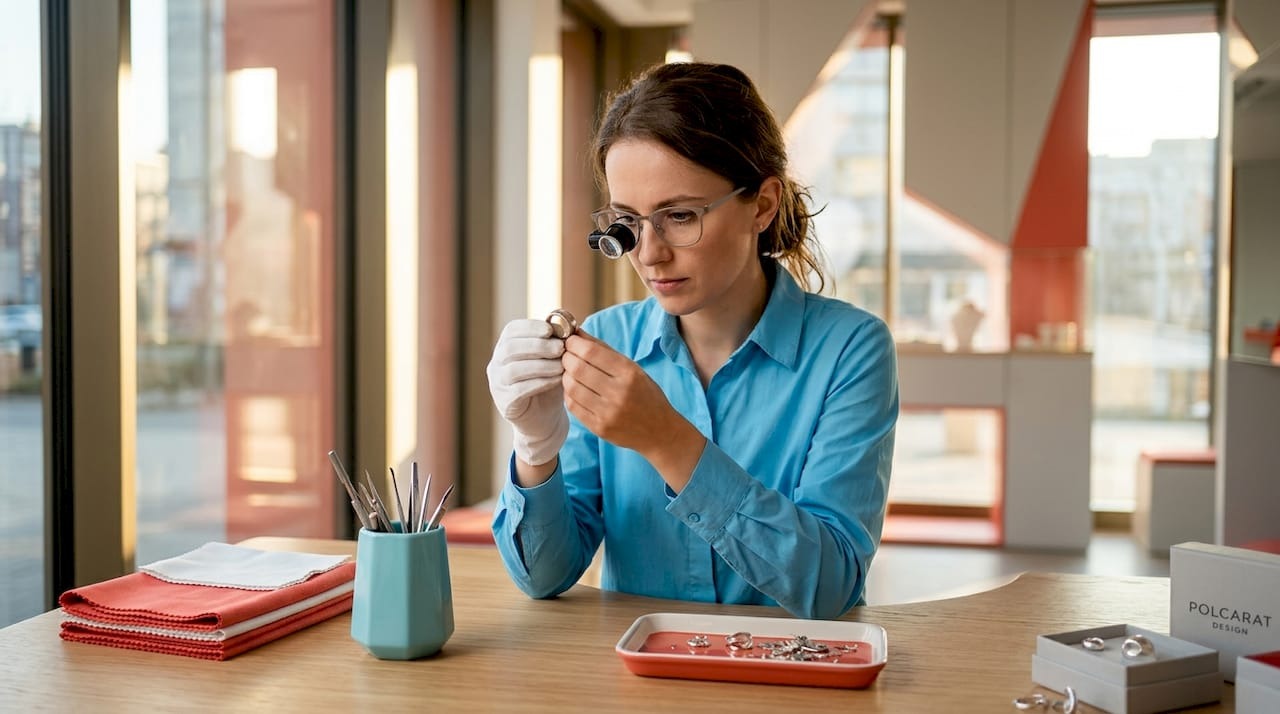
The piece is degreased and cleaned of cosmetics, oils and dirt so rhodium settles evenly.
2Preparation
The old plating is removed, and stones are taken out or protected.
3Rhodium plating
In an electrolytic bath, an electric current deposits a new rhodium layer on the silver.
4Polishing
The jeweler gently polishes the fresh plating if needed.
5Quality control
A final check that the plating is even and the settings are secure.
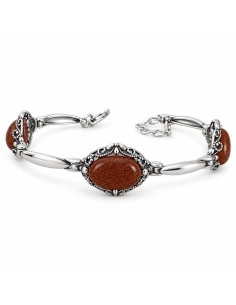
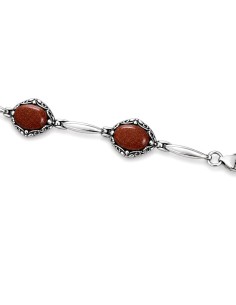
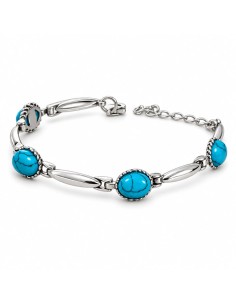
Pearls, amber, turquoise and agate are sensitive to the bath — tell your jeweler first.
Price is always the first question — and fair enough, because rhodium is one of the most expensive metals in the world. Yet rhodium plating a piece of jewelry is within almost anyone’s reach, because a single piece needs only a tiny fraction of a gram of the metal.
Here’s a rough comparison of how rhodium plating costs differ by type of jewelry:
| Type of jewelry | Relative cost of rhodium plating |
|---|
| Earrings (pair, simple) | Lowest — small surface |
| Earrings with stones | Higher than simple earrings — the stones need protecting |
| Pendant or charm | Low |
| Simple ring | Low to moderate |
| Ring with a stone | Moderate |
| Bracelet or necklace | Higher — large surface |
| Jewelry set | Highest — several pieces |
Costs vary by region and jewelry workshop.
Several factors affect the cost of the treatment. Here are the most important:
- Size and complexity of the piece. The more surface there is to cover, the higher the cost.
- Type of stones. Jewelry with stones that need extra protection or removal before the treatment costs more.
- Thickness of the layer. A thicker rhodium layer lasts longer but also costs more.
- Workshop location. Big-city workshops are usually more expensive than those in smaller towns.
Good to know: Renewing rhodium plating usually costs only a small fraction of what the jewelry itself is worth. That’s very little for the assurance that a favorite piece will look like new for years to come.
Regular re-plating is much cheaper than buying new jewelry, and it lets you keep pieces with sentimental value. It’s long-term thinking that really pays off.
How to care for rhodium-plated jewelry, especially with stones

Besides cost, it’s important to know how to care for rhodium-plated jewelry so you can enjoy its beauty for a long time.
Even the best rhodium plating needs proper care. It wears unevenly, especially on edges and raised areas, so everyday habits matter. This is especially true of jewelry with stones, which have their own care requirements.
Here are the rules worth adopting right away:
- Avoid chemicals. Dish soap, cleaning products and even some perfumes and body lotions speed up the wear of rhodium plating. Put your jewelry on after your cosmetics, not before.
- Clean gently and rarely. Use a soft cotton or microfiber cloth dampened with water and a little mild soap. Thirty seconds of gentle rubbing is enough. Don’t scrub and don’t use hard brushes.
- Store pieces separately. Each piece should have its own place so it keeps its shine and the plating stays undamaged. Anti-tarnish pouches made of flannel or velvet are the best solution. Pieces that rub together in one drawer scratch each other and damage the rhodium layer.
- Take your jewelry off during physical activity. Swimming pool, gym, gardening, washing your hands with strong soap — these are all moments when your jewelry should wait for you on the counter.
- Avoid ultrasonic cleaners for organic gems. Ultrasonic cleaners can damage amber, pearls or coral. Check which stone your jewelry has before you clean it.
- A yearly visit to the jeweler. It’s not a luxury but a necessity if you care about jewelry with stones. A jeweler will check the plating and the settings before a small problem becomes a big one.
Pro tip: Never use toothpaste, vinegar or salt to clean rhodium-plated jewelry. These popular home remedies work on unplated silver, but they will literally rub off the rhodium plating within a few uses. When it comes to caring for rhodium plating, less is more.
Why regular re-plating is an investment in durable, beautiful jewelry that doesn’t tarnish
Many women treat jewelry as something that either works or doesn’t. You put it on and take it off, and when it loses its shine, it ends up at the bottom of a drawer. That approach leads to only one thing: losing something valuable, often not only financially but sentimentally.
Rhodium plating noticeably extends how long sterling silver keeps its shine, and rhodium is harder than gold. A yearly check-up also lets the jeweler spot loose stones before they fall out and get lost. That last point is underrated: renewing the plating costs far less than replacing a lost ruby or garnet.
A counterintuitive conclusion we’ve reached after years of observation: home “refreshing” methods destroy rhodium plating faster than everyday wear. Toothpaste, baking soda with vinegar and harsh cleaners can wear away the thin rhodium layer within weeks. Someone who regularly “cleans” jewelry at home is actually speeding up its wear.
Professional jewelry service is the tool that really works. A jeweler doesn’t just renew the plating but checks the whole piece: whether there are cracks, whether the settings are stable and whether hinges and earring clasps work properly. A jewelry check-up is the equivalent of a visit to the dentist — put off for years, it ends up costing more than regular prevention.
Our approach is simple: treat rhodium plating as an investment, not an expense. Jewelry that looks beautiful gets worn more often, brings joy and keeps its value for generations. It has its cost, but it pays off many times over.
Refresh your silver jewelry with stones at Polcarat Design
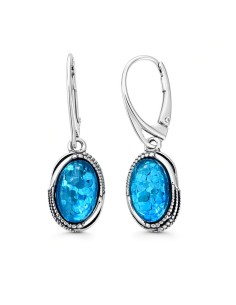
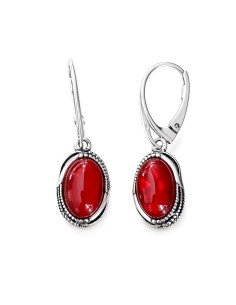
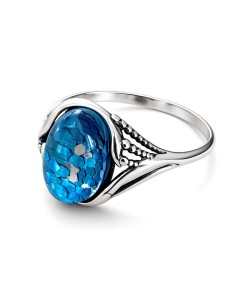
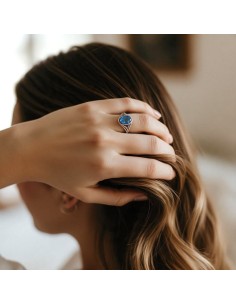
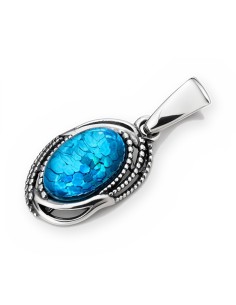
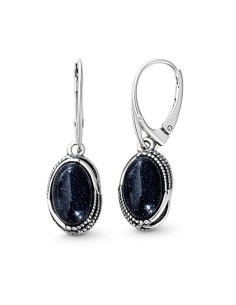
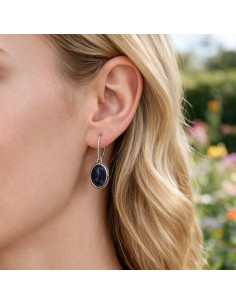
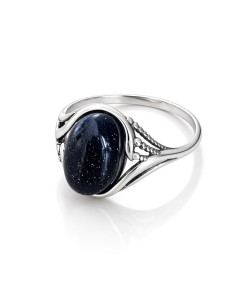
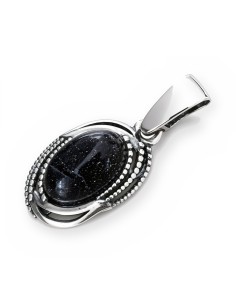
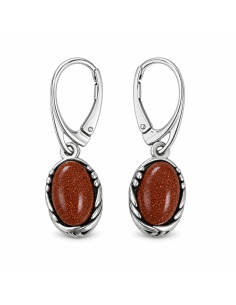
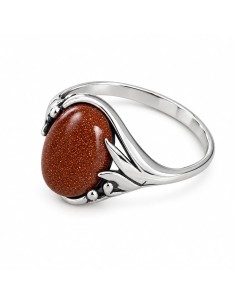
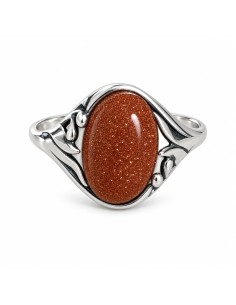
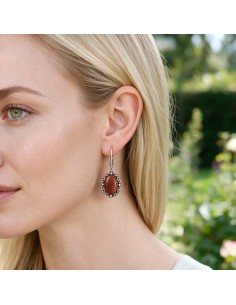
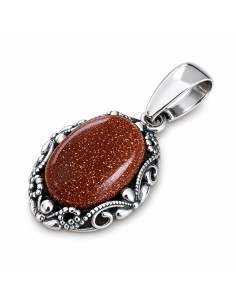
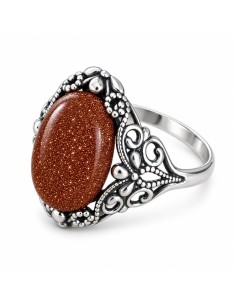
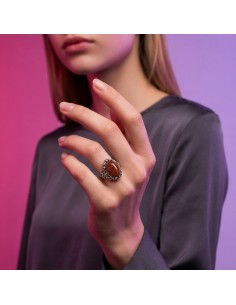
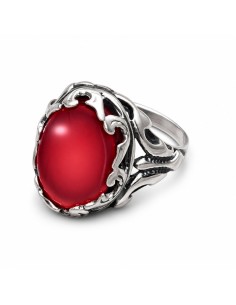
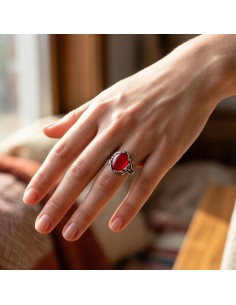
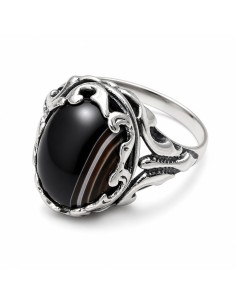
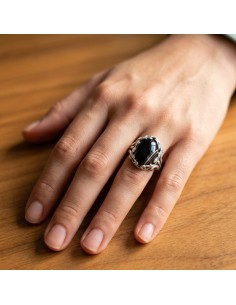
Want to extend the life of your jewelry and bring out its natural beauty? At Polcarat Design you’ll find a wide collection of 925 sterling silver jewelry with stones, including rhodium-plated pieces, cast and hand-finished in our workshop in Rumia, Poland. Every piece is made with attention to detail, and stones such as ruby, lapis lazuli, reconstructed malachite or agate are selected with special care. If you’re looking for jewelry that combines classic elegance with nature, take a look at our silver ruby cabochon ring and the matching silver ruby cabochon earrings, which together make a set fit for any occasion. Our team will gladly advise you on how to care for your jewelry and when it’s worth renewing the rhodium plating.
Rhodium plating on gold and silver: frequently asked questions
What is rhodium plating on sterling silver, and what does it do?
Rhodium plating means coating silver jewelry with a thin layer of rhodium by electroplating, which gives it a bright shine and protects it from tarnish and scratches. The rhodium layer is 0.1 to 1 micrometer thick and effectively stops silver from dulling.
How often should rhodium plating on silver jewelry be renewed?
Rings worn every day need re-plating every six months to two years, while earrings and pendants can be re-plated every two to five years. Yearly check-ups at a jeweler are especially important for jewelry with stones.
What does rhodium re-plating cost, and does it depend on the type of jewelry?
The cost depends on the size and complexity of the piece, the stones it contains, the thickness of the layer and the current price of rhodium. As a rule, plating simple earrings costs less than plating a ring with a stone.
Does rhodium plating affect the value of silver jewelry?
Rhodium plating improves the look and durability of silver jewelry but doesn’t change its metal value. The plating extends the life of the finish, and that is its main practical value.




Comments (0)