The best silver purity for jewelry — why 925?
The best silver purity for jewelry is 925. Jewelers choose it for several reasons:
- Durability — rings, wedding bands and clasps made of 925 silver don’t bend with everyday wear, and a chain won’t stretch as easily as one made of 999 silver.
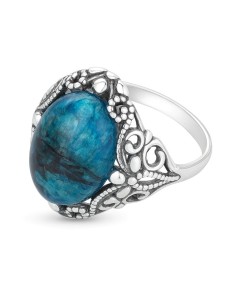
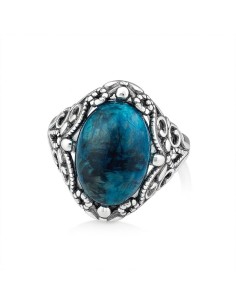
- Secure stone settings — the harder alloy holds cabochons, cubic zirconia and crystals more securely in basket and openwork settings.
- Color and luster — 92.5% silver still means a bright, cool tone that looks good both high-polished and oxidized.
- Easy care — 925 sterling silver can be cleaned, polished and restored for years.
Higher fineness doesn’t always mean better jewelry. 999 silver loses to 925 in everyday wear because it’s soft and scratches easily. The lower standards, 830 and 800, are hard but contain less silver and tarnish faster. That’s why 925 is the most common fineness in jewelry making — a sensible compromise between silver content and durability. Well-made 925 sterling silver pieces can be worn for years without losing their shape.
Cheat Sheet
Which Silver Fineness for What?
999 silver99.9% silver — very softbullion bars, coins
925 silver92.5% silver — the standard for jewelryrings, earrings, chains
875 silver87.5% silver — harderolder jewelry, everyday objects
830 silver83% silver — hardflatware, decorative objects
800 silver80% silver — the hardestflatware, older silverware
Silver purity marks — how to read the hallmark and the maker’s mark
The most reliable way to check silver purity is the mark on the piece itself. On Polish jewelry you’ll find two kinds of marks:
- Hallmark (assay mark) — applied by the Polish Assay Office after the piece has been tested. The current Polish hallmark for silver shows a woman’s head in a headscarf, next to the letter of the assay office or its branch (e.g., W for Warsaw, K for Krakow, G for Gdansk) and the fineness number, such as 925.
- Maker’s mark — the manufacturer’s mark registered with the assay office. It tells you who made the piece.
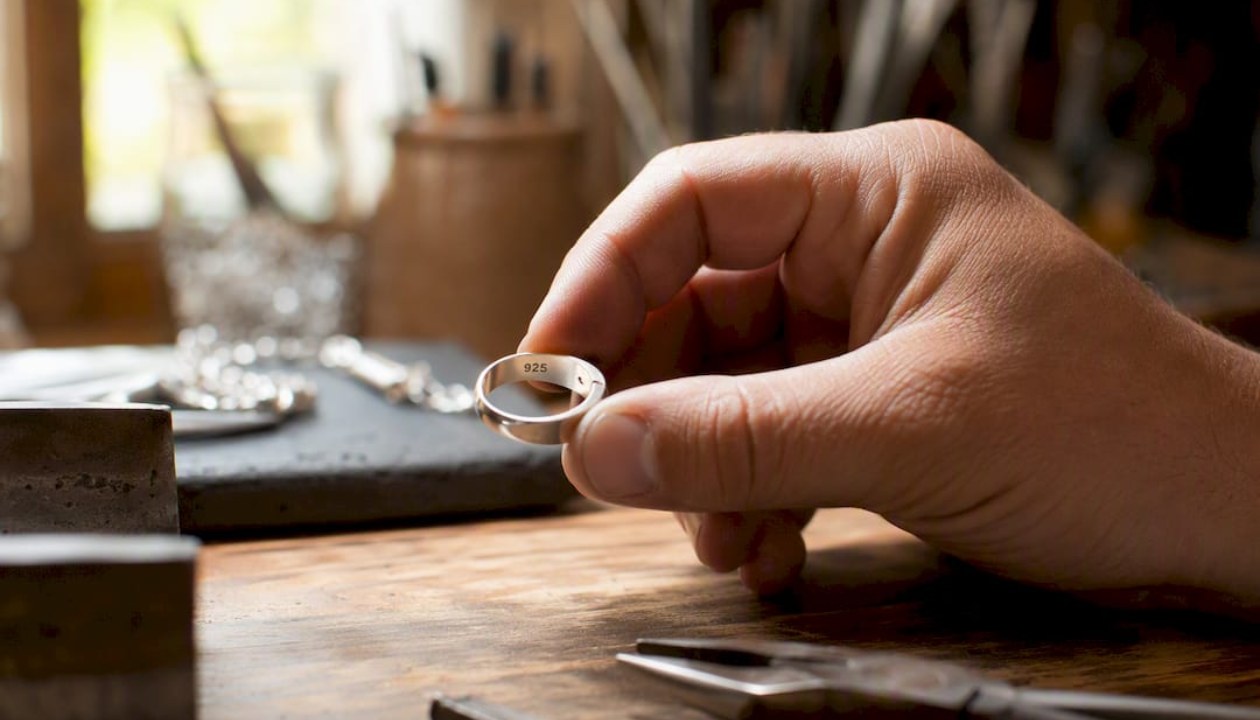
You’ll usually find the hallmark on the inside of a wedding band or ring, on the clasp of a chain or bracelet, on an earring hook or on the bail of a pendant. The marks are very small, so it’s best to look at them under a loupe in good light.
Does all silver jewelry have to be hallmarked?
No. Under Polish law, items whose silver alloy parts weigh less than 5 grams are among those exempt from mandatory testing and hallmarking. Small earrings or a light pendant may therefore have no hallmark, but they must still be made of an alloy of one of the official standards and carry the maker’s mark. For lightweight jewelry, check the fineness in the product description or ask the seller.
How to read silver purity marks step by step
- Find the mark — check the less visible spots: the inside of a band, the clasp, the earring hook, the pendant bail.
- Read the number — 999, 925, 875, 830 or 800 is the fineness, that is, the silver content in parts per thousand.
- Check the letter next to it — the letter (e.g., W, K, G) indicates the assay office or its branch. On older pieces you may see different letters and images, because hallmark designs have changed over the years.
- Look for the maker’s mark — usually the manufacturer’s letters or symbol in a small frame.
- Tell a hallmark from a plain number — a stamped “925” without a hallmark is the manufacturer’s own declaration, common on jewelry lighter than 5 g. In Poland, heavier imported pieces should carry a Polish hallmark or one recognized in Poland.
Home tests — what they show and what they don’t
There are plenty of home silver tests online. Some give you a clue, but none will tell you the fineness:
- Magnet — silver isn’t magnetic. If a piece is clearly attracted to a magnet, it isn’t silver. No reaction, however, proves nothing, because many other metals don’t react to magnets either.
- Color and tarnish — silver darkens over time and regains its shine when wiped with a silver polishing cloth. On a silver-plated piece, years of wear can reveal a different base metal where the plating has rubbed off.
- Assay office testing — the exact fineness can be determined by an assay office, which can test and hallmark a piece on request. A jeweler can do an indicative test.
To learn more about telling solid silver from silver-plated jewelry, read our guide Sterling silver vs silver-plated jewelry — what’s the difference.
Higher silver purity, tarnish and durability
Tarnish is a natural reaction between silver and sulfur compounds (mainly hydrogen sulfide) found in the air, in cosmetics and in sweat — it leaves a dark film on the surface. It affects every fineness, including pure silver, but lower-fineness silver with more copper usually tarnishes faster. A higher fineness therefore means slightly slower tarnishing but less scratch resistance. 925 silver will also dull over time, so it’s worth:
- storing your jewelry in a closed pouch or jewelry box, separately from other pieces,
- taking it off for bathing, swimming and cleaning, and before putting on perfume,
- cleaning it with a soft silver polishing cloth instead of abrasive pastes.
The finish also affects how fast silver tarnishes. Rhodium plating creates a protective layer, while oxidizing deliberately darkens the recesses of a design. We explain the differences in Rhodium-plated, oxidized or gold-plated silver, and how to bring back the shine in Why silver tarnishes.
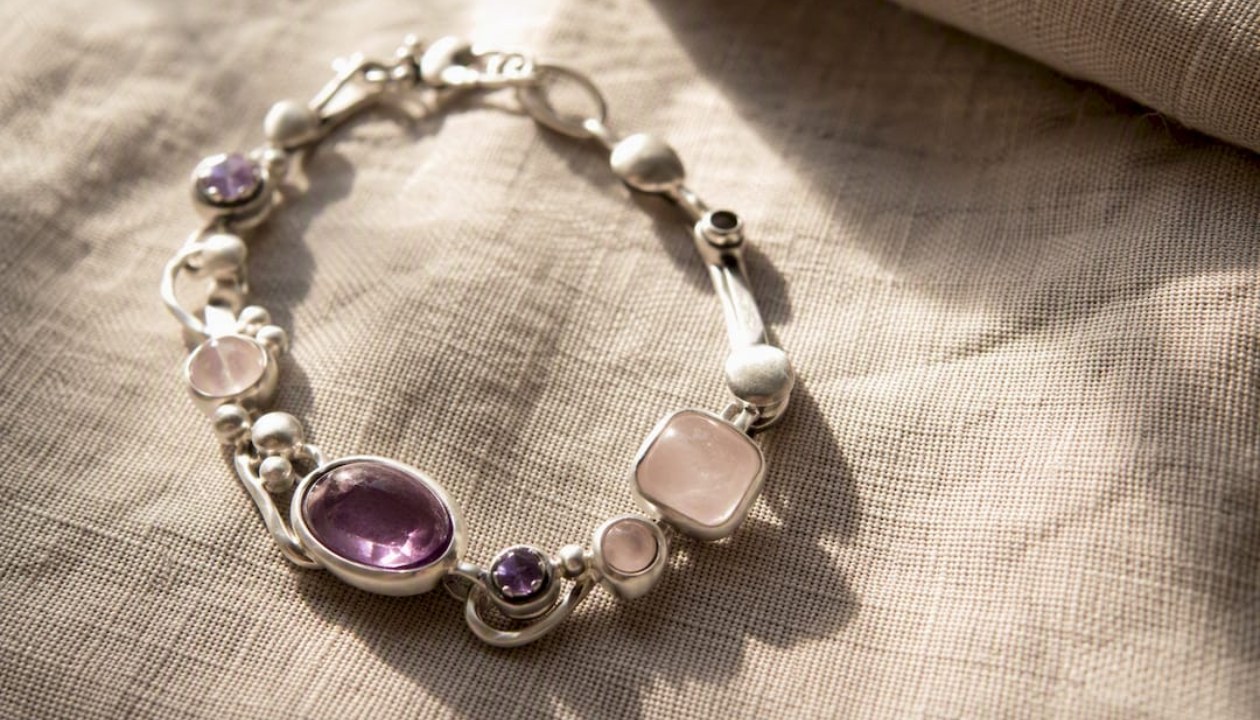
925 sterling silver jewelry from the Polcarat Design workshop
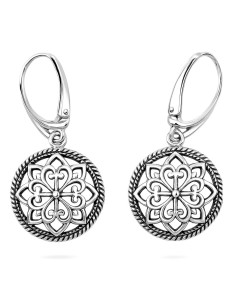
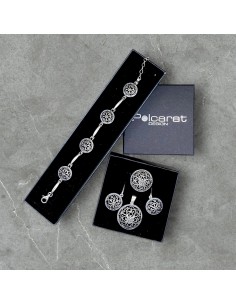
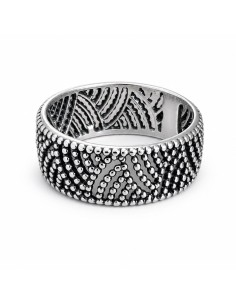
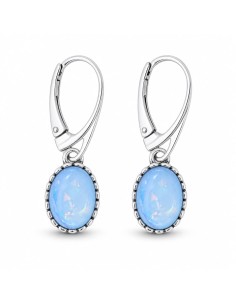
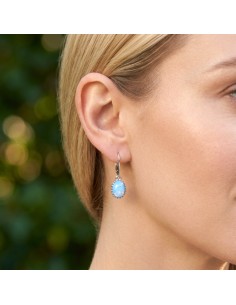
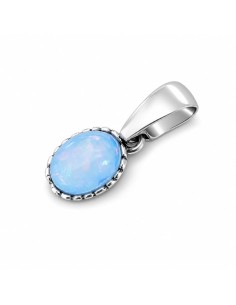
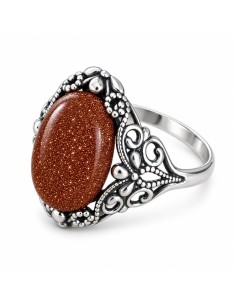
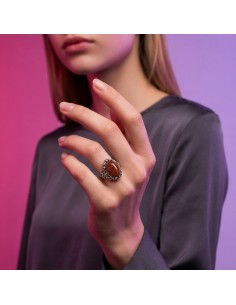
In our family workshop in Rumia, Poland, we have been making 925 sterling silver jewelry since 1984 — cast and then finished by hand. It’s this fineness that lets us create openwork settings, substantial signet rings and delicate earrings that keep their shape for years. Some designs are also oxidized to bring out the ornament, rhodium-plated for a lasting shine or gold-plated. In our store you’ll find sterling silver rings, earrings, bracelets and jewelry sets — both plain and set with gemstones.





Comments (0)