
TL;DR:
- The right jewelry depends on the material, the care it needs, your lifestyle and whether you prefer steel or silver. Silver needs regular cleaning because it tarnishes, gold is durable and stable, and surgical steel jewelry does not tarnish at all. Surgical steel is a practical option for everyday wear, resistant to scratches and corrosion.
When choosing jewelry, most of us go by looks and price. That’s natural. But silver vs gold vs surgical steel is not just a question of aesthetics — it is a choice that affects how long your jewelry lasts, how comfortable it is to wear and how much time you spend caring for it. Each material plays by different rules and works best in completely different situations. If you want to make a choice that truly fits your lifestyle, this article gives you the practical knowledge you need so you don’t buy jewelry blindly.
Surgical steel, gold and silver jewelry: key takeaways
| Topic | Details |
|---|
| Silver needs care; surgical steel is easy to maintain | Sterling silver 925 tarnishes when exposed to moisture and cosmetics, so it needs regular cleaning to keep its original look. |
| Gold holds steady value | Gold is durable, rarely irritates the skin and suits warm coloring, though surgical steel jewelry can be attractive too. |
| Surgical steel for every day | 316L steel resists scratches and corrosion, which makes it a great choice for daily wear. |
| Your coloring matters | Gold suits warm skin tones, while silver and surgical steel look better with cool skin tones. |
| Your needs decide | Consider your lifestyle, any metal sensitivities and the occasion before you decide which metal to choose. |
Silver jewelry: shine that needs care
Silver is one of the most popular jewelry metals. It has a special quality — a subtle luster that complements both everyday outfits and elegant evening wear. But behind that charm lie a few properties worth knowing in advance.
The composition of sterling silver 925
Silver jewelry is most often made from an alloy marked 925. This means that the alloy contains 92.5% silver and 7.5% other metals, usually copper. It is the copper that gives the metal the right hardness and allows it to be shaped into intricate designs. Without it, pure silver would be too soft for jewelry. At Polcarat Design, our sterling silver alloy contains no nickel.
Tarnish and care
Silver has one clear weakness: it reacts with sulfur and moisture, so it darkens over time. Sweat, perfume, body-care products and even the air itself cause tarnish, creating the characteristic dark patina. For some it is a flaw, for others an aesthetic asset that gives jewelry character. Either way, silver needs regular cleaning.
- Wash your jewelry in warm water with mild soap and a soft brush.
- Store it in airtight pouches or boxes with an anti-tarnish insert.
- Avoid wearing silver while bathing, swimming or exercising.
- Every few months, use a dedicated silver polish.
Skin sensitivity and comfort
Sterling silver 925 is generally well tolerated, although people sensitive to copper may react to it. If your skin is very sensitive, some people prefer rhodium-plated silver, as the plating adds a protective layer between the alloy and your skin.
Pro tip: Store your silver jewelry with a piece of chalk. It absorbs moisture and noticeably slows down tarnishing. It’s a simple trick that keeps your pieces shining longer without any extra chemicals.
Gold jewelry: prestige and durability
For centuries, gold has symbolized prestige, wealth and lasting value. As a noble metal, it resists corrosion, does not react with air or most chemicals, and its appearance stays unchanged for years. That makes it one of the best jewelry materials in terms of durability.
Silver vs gold: value and stability
When you compare the two metals in terms of value, the difference is clear. Gold is widely seen as a stable asset that responds mainly to macroeconomic factors, while silver is much more prone to market swings and can lose value sharply in a short time. That is why gold jewelry, especially in higher karats, is often treated as more than an ornament.
Gold colors and matching them to your coloring
Gold comes in three color variants, and each suits a different coloring:
- Yellow gold looks best with warm, golden and olive skin tones.
- White gold is an elegant choice for cool coloring. Surgical steel jewelry is a good alternative for people who prefer a cooler look — visually close to silver, but more durable.
- Rose gold suits delicate, fair complexions and adds a romantic touch to any outfit.
Your coloring influences the choice of metal in a way many buyers overlook. Yellow gold can look heavy against cool, pink-toned skin, while silver or white gold subtly brightens it.
When to choose gold
Gold is the choice for people who want long-lasting jewelry without compromising on looks. It rarely irritates the skin, needs practically no maintenance and looks as good decades later as on the day you bought it. If you want jewelry to give as a gift or pass down in your family, gold is exactly what you are looking for.
Pro tip: When buying gold jewelry, check the fineness. 14k gold (585) offers an ideal balance of hardness, durability and value and is better for everyday jewelry than softer 18k gold (750).
Surgical steel: durability without compromise — how much can it take?
Surgical steel is becoming more and more popular in jewelry, and for good reason. In many situations it beats both silver and gold on pure practicality. However, it is not a precious metal, and its value will never match that of silver or gold.
The composition and properties of 316L steel
316L surgical steel is an alloy of iron with chromium, nickel and molybdenum. This combination gives it exceptional resistance to corrosion, scratches and deformation. It is the same type of steel used in medical implants and surgical instruments — hence the name.
The advantages of surgical steel are well documented:
- Scratch resistance. 316L steel is much harder than silver, so everyday wear leaves no marks on it.
- No corrosion. You can wear it while swimming, exercising or bathing without worrying about damage.
- Skin tolerance. Most people wear it without any problems, but it does contain nickel, which can cause reactions in some people.
- Low cost. Compared with silver and gold, it is the most affordable option, which makes it attractive to anyone looking for durability on a budget.
The limitations of surgical steel
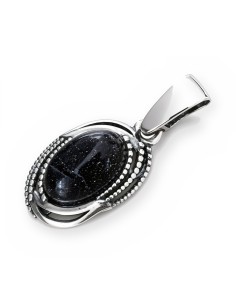
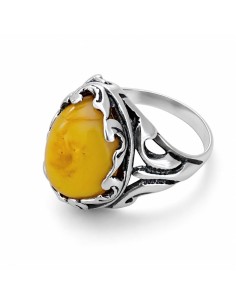
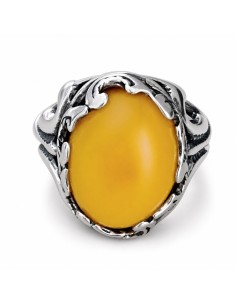
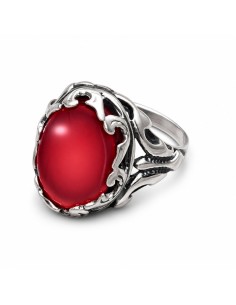
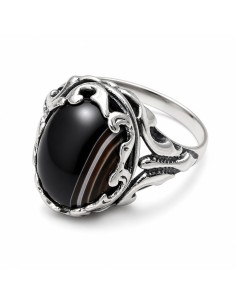
Despite these advantages, surgical steel has its limitations. It is harder to work and repair than silver, which means a steel ring practically cannot be resized after purchase. Steel jewelry also looks less refined than silver or gold. Its shine is cold and technical, and designs tend to be less detailed precisely because the material is hard to work with precision. If you love delicate ornamentation, openwork designs or jewelry with natural stones, silver or gold will give you far more aesthetic possibilities.




Comments (0)