Sterling silver allergy and other metal allergies — what you should know
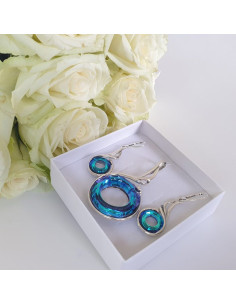
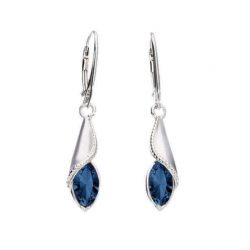
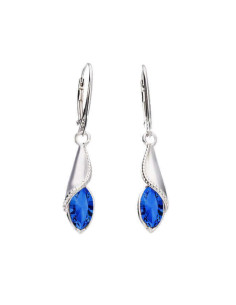
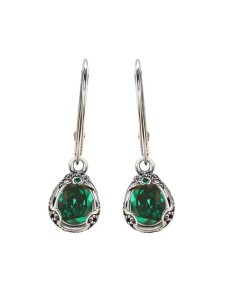
Metal allergies are common and affect many people. The metals most often behind reactions are nickel, chromium and copper, all of which are widely used in jewelry making. Silver and gold are precious metals, but jewelry made from them can also trigger a reaction — usually because of the other metals in the alloy. So what is behind a sterling silver allergy, and which jewelry can cause one? Any piece that touches the skin can be involved: a ring, a pendant or a pair of earrings. People with sensitive skin need to be careful to avoid problems such as contact dermatitis. If you react to metals, it pays to choose jewelry whose composition you know. At Polcarat Design, the silver alloy we use contains no nickel.
Which metals in jewelry cause allergies?
- Nickel: the most common allergen in jewelry. It’s often used in cheaper pieces, which raises the risk of a reaction. Direct contact with the skin is what triggers it.
- Chromium: often used in metal alloys and can irritate the skin.
- Copper: can cause allergic reactions, especially in jewelry made of rose gold.
Not every metal is a good choice for prolonged skin contact, so it’s worth being careful and choosing jewelry — including silver or gold earrings — whose metal composition is clearly stated.
Symptoms of a jewelry allergy
Allergic reactions to jewelry can show up in different ways. The most common symptoms are:
- Redness: where the jewelry touches the skin.
- Itching: discomfort that can lead to scratching.
- Rash: may take the form of small bumps or blisters.
- Swelling: in stronger skin reactions.
If you notice these symptoms, take the jewelry off right away and avoid contact with the metal that caused the reaction. If the symptoms are severe or don’t go away, see a doctor or dermatologist.
Why can sterling silver cause an allergy? Watch out for nickel
Pure silver itself rarely causes allergies. Most reactions are linked to the other metals added to silver to make it more durable. Some silver jewelry contains nickel, which can cause reactions in sensitive people.
What to check in a silver alloy
- 925 sterling silver: 92.5% silver, with the remaining 7.5% made up of other metals. If you have sensitive skin, what matters is what that 7.5% is — ask whether the alloy contains nickel. The alloy we use at Polcarat Design is nickel-free.
- Rhodium-plated silver: covered with a thin layer of rhodium. The plating wears over time, especially on rings, so it’s still worth knowing what alloy lies underneath.
How to reduce the risk of irritation from metal jewelry
To lower the risk of an allergic reaction, it’s worth following a few rules when choosing jewelry.
Choosing the right materials
- Know the composition: choose jewelry whose metals are clearly described by the maker. Platinum, palladium and surgical steel are often chosen by people with sensitive skin — but check the exact grade of steel, as many types contain nickel.
- Avoid nickel: check what your jewelry is made of and skip products that contain nickel.
Jewelry care
- Regular cleaning: keep your jewelry clean, as residue from cosmetics and sweat builds up on it over time.
- Storage: store jewelry in a dry place, away from moisture.