In short: a natural stone formed in nature, without being produced by people. A synthetic stone is created under controlled laboratory conditions — it has the same chemical composition and structure as its natural counterpart and differs only in where it was formed. A reconstructed stone is something else again: tiny fragments or powder of natural material bound together or pressed into a single block. Only gemological testing can tell you for certain which one you’re looking at — in everyday shopping, what counts is an honest description from the seller.
The words “natural,” “synthetic” and “reconstructed” appear in jewelry descriptions all the time, but it isn’t always clear what exactly they mean. Natural gemstones, synthetics and imitations sit side by side in jewelry, and each has different properties and a different value. Yet these differences determine how a stone looks, how durable it is and what you can expect from it. Below we explain natural vs synthetic gemstones and reconstructed stones, show you how to recognize them in practice and suggest what to ask before you buy.
Natural vs synthetic gemstones: what does “natural” mean in jewelry?
A natural stone is a mineral, rock or organic material formed by a geological or biological process without human involvement — it is mined from a deposit or, like amber, gathered from nature. This group includes classic minerals such as amethyst, agate and apatite, but also organic materials: amber, pearl and coral. Every natural stone has its own distinct features — a different pattern, shade and inclusions.
A natural stone can be treated and still remain natural. Cutting and polishing are standard. Other treatments — dyeing, heating or stabilization with resin — don’t take away a stone’s natural origin, but they do change its appearance, so an honest seller should disclose them.
A good description of a natural stone tells you:
- what the stone is and where it comes from (for example, Baltic amber from the coast of the Baltic Sea),
- whether the stone has been dyed or stabilized,
- for more valuable stones — whether it has been examined by a gemological laboratory.
You can read more about one of the most popular natural stones in our article on Baltic amber — 10 facts about the “gold of the Baltic”.
What is a synthetic stone?
A synthetic stone is a material made by people under laboratory conditions that has the same chemical and physical properties as its natural counterpart: identical composition, crystal structure and hardness. That’s the difference from an imitation: glass posing as emerald has nothing in common with beryl, while a synthetic emerald has the same structure as a stone mined from the earth. Synthetic rubies, sapphires and diamonds therefore differ from natural ones mainly in where and how quickly they formed — instead of millions of years deep inside the earth, a few hours, days or weeks are enough.
Synthetic gemstones are produced by controlled crystallization. Synthetic corundum — ruby and sapphire — is made using methods such as the Verneuil process or the Czochralski process, and synthetic alexandrite and spinel are produced in a similar way. That’s why a synthetic stone is hard to tell apart from a natural one without specialist testing.
It’s also why the terms “lab-created” or “lab-grown” are increasingly used instead of “synthetic.” Synthetic stones make it possible to achieve intense, consistent colors — as with synthetic opal, which shows a vivid play of color. We wrote about opal and the superstitions surrounding it in our article does opal bring bad luck?
When you shop, check whether the seller says “synthetic” or “lab-created” clearly rather than hiding it in the fine print. Synthetic stones usually have a noticeably lower market value than natural ones — and that’s perfectly fine, as long as the description is clear.
What does “reconstructed” mean, and how is it different from synthetic?
A reconstructed stone is a composite: tiny fragments or powder of natural material bound together with a binder (usually resin) or pressed into a single block under heat and pressure. It’s a completely different process from synthesis — a synthetic stone “grows” as a uniform crystal, while a reconstructed one is made up of many small pieces.
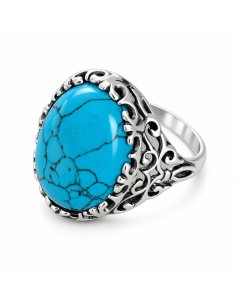
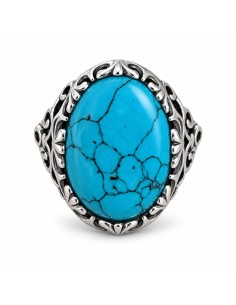
Typical examples are reconstructed turquoise, reconstructed malachite and pressed amber. Reconstruction makes it possible to use small pieces of raw material that couldn’t be cut into a single stone, and to achieve an even, saturated color. Such a stone may be less resistant to abrasion than a solid one, so it’s worth protecting it from friction and chemicals.
You can often recognize a reconstructed stone by a few features:
- very even color and pattern, without natural irregularities,
- a consistent look across a whole jewelry series,
- a lower market value than a stone cut from a single piece.
An honest seller names such a stone plainly: “reconstructed turquoise,” “reconstructed malachite,” “pressed amber.”
Synthetic stone vs imitation — what’s the difference?
Synthetic stones are often confused with imitations, but they are something entirely different. An imitation — also called a simulant or an artificial stone — only mimics the appearance of a natural stone, its color and luster, but has a different chemical composition and different physical properties. Gemstone imitations are most often made of glass, plastics or other materials.
A good example is cubic zirconia: a synthetic material that imitates diamond beautifully but isn’t diamond. Similarly, moissanite, an increasingly popular choice for engagement rings, looks like diamond even though its composition is entirely different. An imitation isn’t a fake as long as the seller names it honestly — it becomes a fake when it’s passed off as the real stone.
- Natural — a stone formed in nature,
- synthetic — the same stone, but made by people,
- imitation (simulant) — a different material that only resembles the original.
Comparison at a glance
| Natural | Synthetic | Reconstructed |
|---|
| How it forms | in nature | in a laboratory | from fragments or powder of natural material |
| Composition and structure | natural | the same as in the natural stone | natural material + binder |
| Appearance | every stone is different | intense, consistent color | even, saturated color |
| Examples | Baltic amber, amethyst, agate | synthetic opal | reconstructed turquoise and malachite |
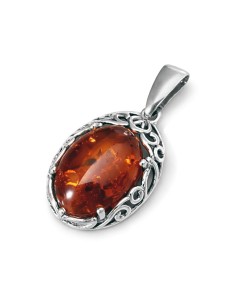
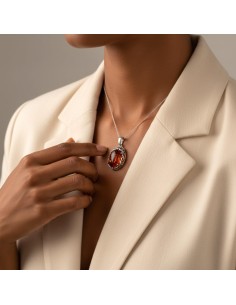
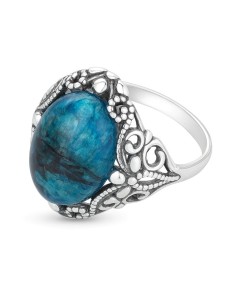
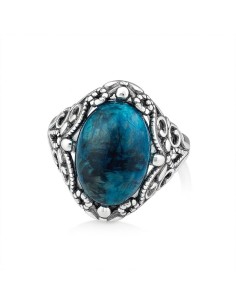
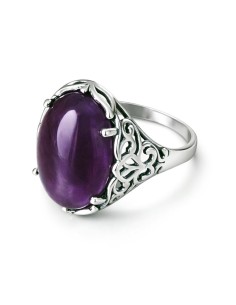
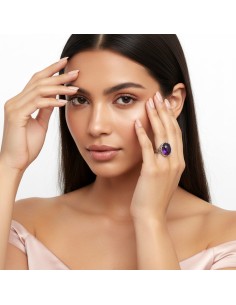
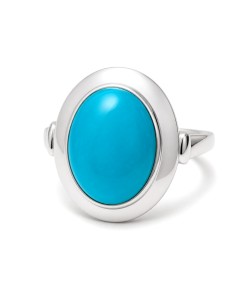
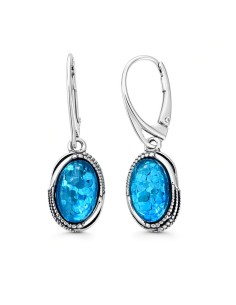
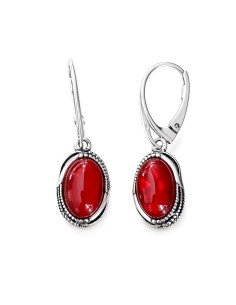
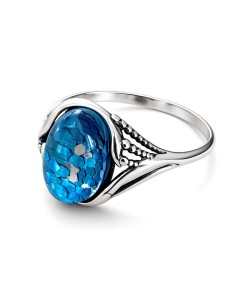
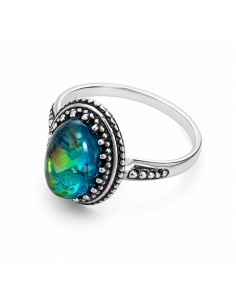
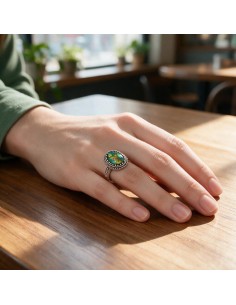
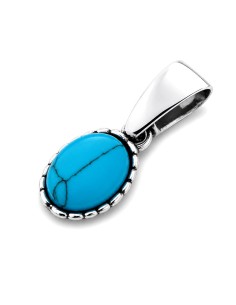
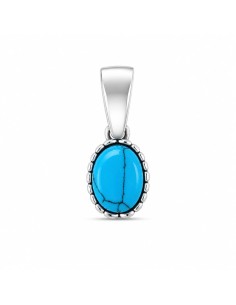
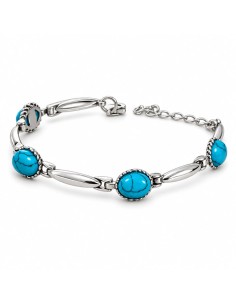
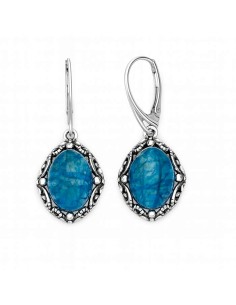
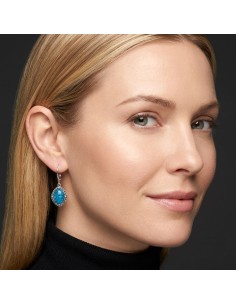
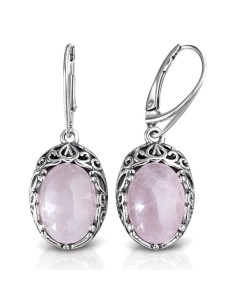
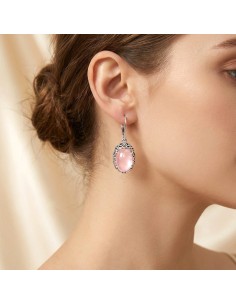
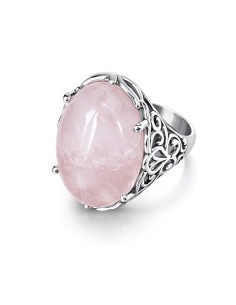
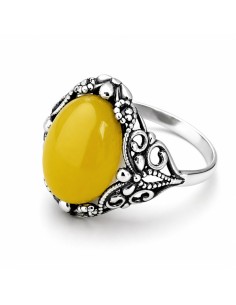
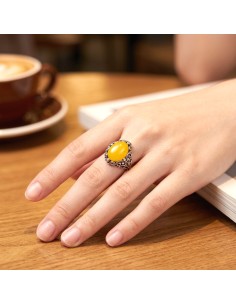
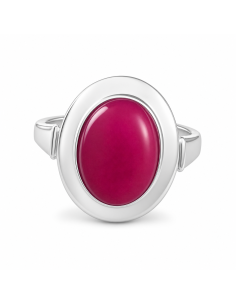
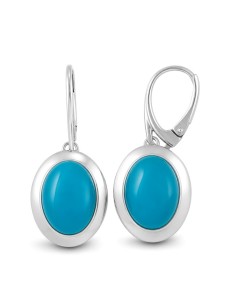
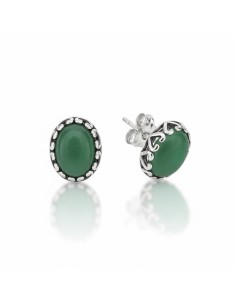
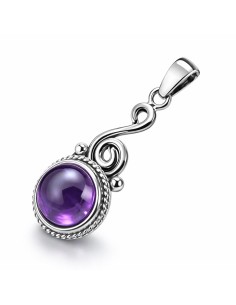
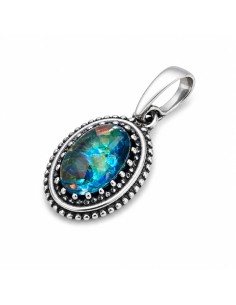
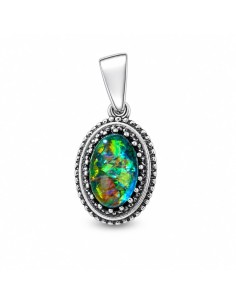
Below are examples of all three types of stones from our workshop — the type of stone is stated in the name of each of these designs.





Comments (0)