Oxidized silver — how oxidized jewelry is made
Oxidizing silver means deliberately darkening the surface of the metal. The piece is immersed in a solution of sulfur compounds — often gently warmed to speed up the reaction — and a thin, dark layer forms on the surface. Although the name suggests an oxide, what actually forms is a layer of silver sulfide. By adjusting the time and concentration of the bath, you can achieve different shades, from gray to deep black.
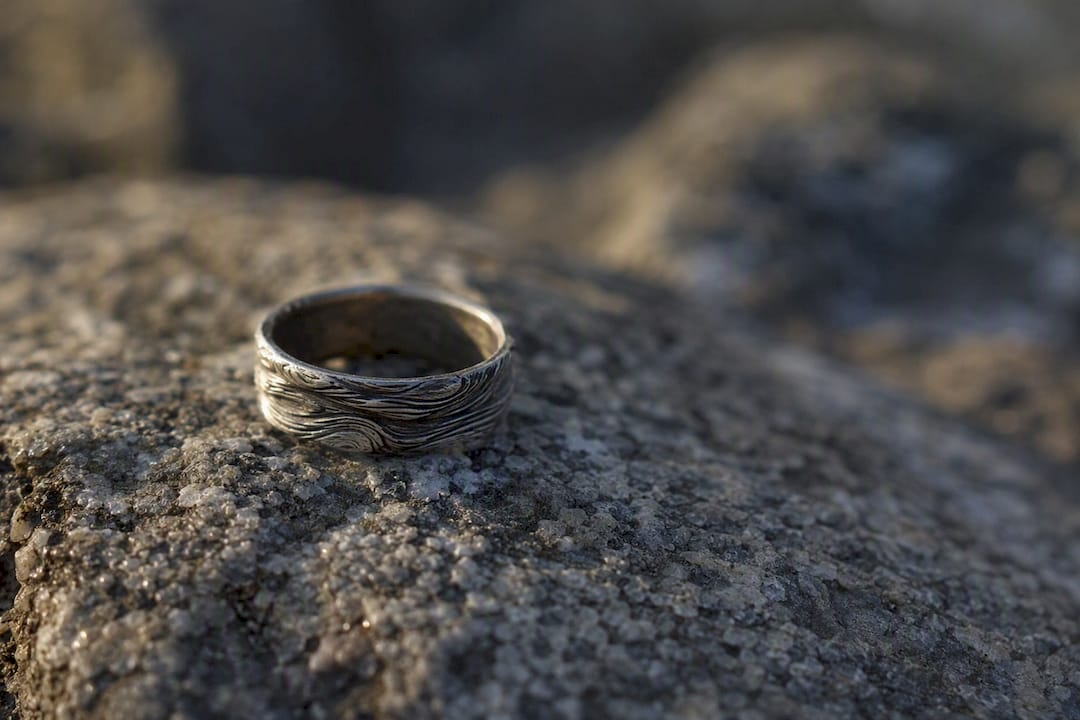
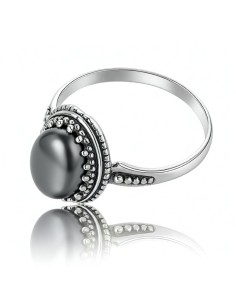
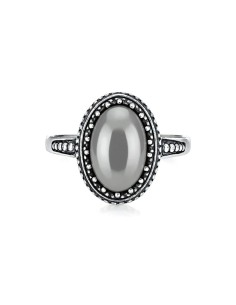
Then comes the most important stage: polishing. The dark layer is removed from the raised areas and left in the recesses. That creates the contrast between dark recesses and bright, shiny metal — details gain depth and the design becomes easier to read. The effect resembles the patina on old objects, which is why oxidized jewelry has a vintage, slightly antique character, as if it had been aged on purpose.
It’s worth distinguishing deliberate oxidizing from natural tarnish. Plain silver darkens on its own when it comes into contact with sulfur from the air, sweat or cosmetics — a kind of surface corrosion that appears unevenly. Oxidizing in the workshop darkens the silver in a controlled way, exactly where it should highlight the design.
Which stones look best with oxidized silver?
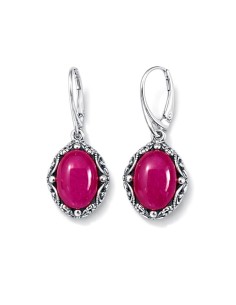
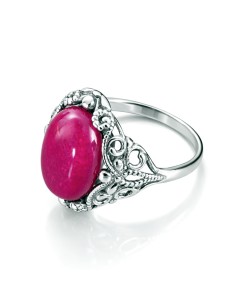
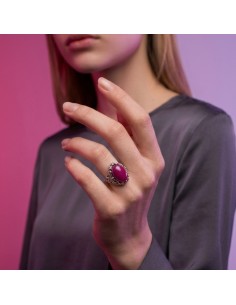
The dark background of oxidized silver brings out warm, saturated colors. Oxidized jewelry pairs beautifully with stones such as amber, turquoise, coral or malachite (the coral and malachite in our range are reconstructed), and with cultured pearls, which look even brighter against a dark background. An oxidized amber necklace, a turquoise ring or pearl earrings are vintage-style classics — and 925 sterling silver jewelry in this style works with a sweater as well as with an elegant dress.
How to choose a sterling silver finish: a pre-purchase checklist
Before you settle on a specific design, ask yourself a few questions:
- What style do you like? Shine and minimalism point to rhodium, contrast and detail to oxidized silver, and a warm gold color to gold plating.
- How often will you wear it? For everyday wear, especially rings and bracelets, rhodium-plated or oxidized silver works best.
- What kind of piece is it? Rings wear fastest, pendants and earrings slowest. That’s why gold-plated designs are best chosen among pendants and earrings.
- Are you often in contact with water, cosmetics and perfume? Gold plating suffers the most. If you wash your hands often or do manual work, think twice about a gold-plated ring.
- How much time do you want to spend on care? Rhodium needs the least, gold plating the most.
If you have sensitive skin, also read our guide can sterling silver jewelry cause allergies.
Tip: before you buy, check the product description to see which finish a design has. In the names and descriptions of our jewelry, we always state whether the silver is oxidized, rhodium-plated or gold-plated.
How to care for rhodium-plated, oxidized and gold-plated silver
Whatever the finish, silver is best stored in a dry place, in a closed box or pouch with limited air exposure. Avoid chlorine, harsh detergents and ultrasonic cleaners — they will damage any of the three finishes faster than you might think. You’ll find the general rules in our guide how to care for silver jewelry.
- Oxidized silver: simply wipe it with a soft cloth and wash it with mild soap. Avoid polishing pastes, dip cleaners and intensive polishing, which remove the dark layer unevenly. When the oxidation fades, a jeweler can renew it, because it’s a chemical process, not a layer that has to be replaced.
- Rhodium-plated silver: avoid aggressive polishing and abrasive pastes, which can wear through the rhodium layer. When the shine clearly dulls, a jeweler can re-plate the piece with rhodium.
- Gold-plated silver: friction, chlorinated water and perfume do the most harm. Apply perfume and lotion before you put on your jewelry, not after, and take gold-plated rings off to wash your hands.
If your plain silver is darkening, read why silver tarnishes and how to bring back its shine. You’ll also find more practical hygiene tips for jewelry worn close to the skin in this piercing aftercare guide.
Which finish is really worth it?
Many guides treat the choice of finish as a purely aesthetic matter. In reality, the deciding factor is your lifestyle, not just the style of the jewelry.
Rhodium is often presented as “the safe option for everyone,” but the people who benefit most are those who wear jewelry every day and don’t enjoy maintenance. Oxidation is sometimes wrongly seen as less durable, even though it’s a finish that changes with wear and can be renewed — not a coating that peels. Gold plating most often disappoints when we expect it to last like solid gold.
Ask yourself one question: how often, and in what conditions, will you wear this piece? The answer will tell you more than the product photo alone.
Silver finishes at the Polcarat Design workshop
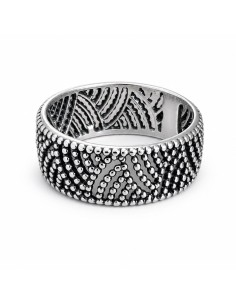
At our family workshop in Rumia, Poland, we have been making 925 sterling silver jewelry since 1984 — cast and then hand-finished, with stone setting, polishing and oxidizing done by hand. We oxidize many of our designs, because the dark tone brings out openwork, texture and stone settings — as in our oxidized silver band with granulated lace detail P-168. We rhodium-plate designs such as those with crystals and cubic zirconia, which gain extra sparkle from the bright shine — for example, the rhodium-plated pendant with Swarovski crystals W 2092. You’ll find a warm gold color in our gold-plated jewelry category, for example the gold-plated silver earrings K3 1162. The name and description of every design state its finish.







Comments (0)