- Silver Jewelry Tips
- 0 likes
- 101 views
- 0 comments
In short: handmade jewelry is made in a workshop where a craftsperson designs, makes and finishes each piece — one at a time or in short runs. You can recognize it by clearly stated materials (for example, 925 sterling silver and the name of the stone), by small differences between pieces and by the fact that you know who made it and where. Before you buy, check the metal purity, the type of stone (natural, reconstructed or synthetic), the clasp and the return policy.
“Handmade” is one of the most popular labels in fashion today — and one of the most overused. Handmade jewelry for women appeals with its character and quality, but to actually get it, it helps to know how it’s made, what it’s made of and how to tell real craftsmanship from mass-produced pieces. Below, we explain it step by step, from the perspective of a workshop that has been making silver jewelry since 1984.
What is handmade jewelry? Artisan craftsmanship in practice
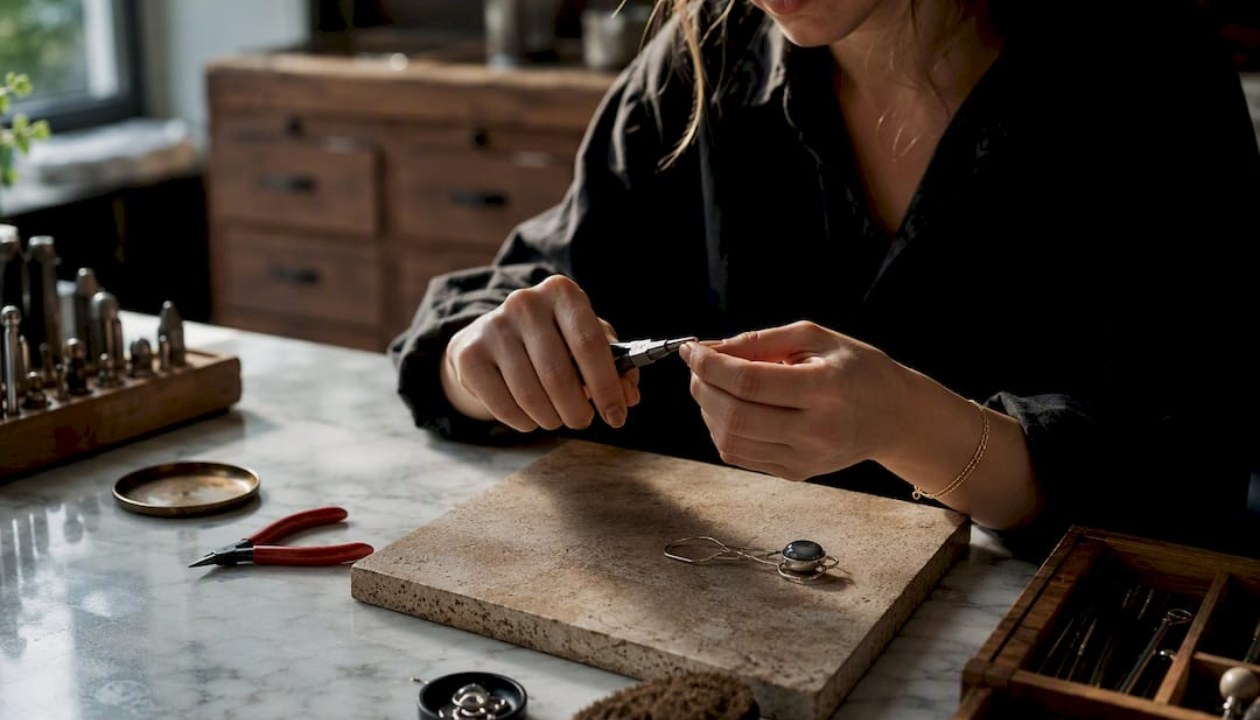
Handmade jewelry is jewelry in which the key stages — design, shaping the metal, setting the stones and finishing — are carried out by a person rather than an automated production line. The craftsperson uses tools, a torch and a polishing machine, but it is their hands and eye that determine the result. That’s why jewelry craftsmanship combines skill with an artistic element, and handmade art jewelry carries the mark of its maker — designer jewelry at its best.
In practice, you’ll come across two kinds of handmade jewelry:
- one-off pieces — each piece is made individually, and no two are identical,
- short runs — the same design is made several times, but each piece is finished by hand, so the pieces differ in small details, especially with natural stones.
Mass-produced jewelry is made differently: in thousands of identical units, often from cheaper plated alloys, with no craftsperson involved in finishing.

How is handmade silver jewelry made?
Every workshop has its own methods, but the path from idea to finished piece usually looks similar:
- Design — sketching the form, choosing the stone and the proportions of the setting, and deciding whether the piece should be light for everyday wear or bold for going out.
- Shaping the metal — cutting, bending, forging and soldering elements, or casting from a hand-made model if the design is to be produced in a short run.
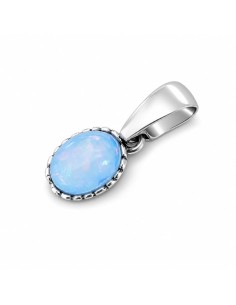
- Setting the stones — cabochons are usually set in a bezel made from a strip of sheet metal, while faceted stones are most often set in prongs; this stage determines whether the stone will stay secure for years.
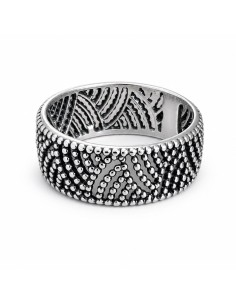
- Finishing — grinding, polishing and often oxidizing, which darkens the recesses of the ornament and brings out its pattern. Some designs are also rhodium-plated or gold-plated.
Hand finishing is the stage that machines can’t fully replicate. It is responsible for the depth of openwork settings, soft transitions between textures and a character that’s hard to describe but easy to see. Precision and experience matter here — every piece passes through a craftsperson’s hands.
Materials in handmade jewelry: what to look for
The material determines a piece’s durability, appearance and value. A good workshop states all the details clearly:
- 925 sterling silver — the standard in jewelry: 92.5% pure silver and 7.5% other metals, most often copper, which hardens the alloy. We explain what the numbers mean in our article on silver purity: 999, 925, 875, 830 and 800.
- Stones — natural, reconstructed or synthetic. Handmade jewelry with natural stones appeals with the individual patterns of each stone, but every type has its place in jewelry, and the seller should state clearly which one you’re getting. We describe the differences in our article on natural, synthetic and reconstructed stones.
- Pearls and mother-of-pearl — cultured pearls have natural irregularities and a delicate play of light, while mother-of-pearl is the layer from the inside of a shell with a milky, iridescent sheen.
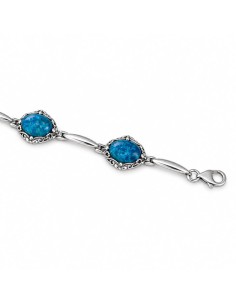
- Clasps and ear wires — small parts that decide whether earrings and bracelets stay secure. Ideally, they should be made of the same silver as the rest of the piece.
How to tell if jewelry is handmade — and not mass-produced
The “handmade” label is sometimes stuck onto mass-produced products. A few signs help you tell genuine craftsmanship from an ordinary, mass-made piece:
- You know who made it — the seller names the workshop and its location, not just “original design.”
- Materials are described specifically — silver purity, the name and type of stone, dimensions and weight.
- Pieces differ in small details — the pattern of the stone, the shade of oxidation, minimal differences in texture. That’s not a flaw but a trace of handwork.
- The finish is careful underneath too — the inside of a ring, the back of a pendant and the clasp are smooth, with no sharp edges.
- Photos show the real product — from different angles and in natural light, not just as a polished graphic.
- The price makes sense — silver jewelry with a natural stone priced below the cost of the raw materials should raise a red flag.
Benefits of handmade jewelry: why jewelry with soul is a great choice
Handmade jewelry is a great choice for anyone who values quality and originality. Its main benefits:
- Distinctive character — even in a short run, every piece with a natural stone is a little different, because stones vary in pattern and color. That is what makes handmade jewelry so special.
- Quality workmanship — the craftsperson controls every stage with attention to detail, so it’s easier to catch a flaw before a piece reaches the customer.
- Durability — 925 silver and a securely set stone can last for years, and if needed, the piece can be cleaned, polished or repaired by a jeweler.
- Smaller scale — a workshop makes as much as it realistically sells and supports local craftsmanship instead of mass overproduction.
- Self-expression — jewelry with soul lets you express your individuality better than a trendy accessory that will vanish from stores next season, and a favorite ring or pendant can feel like a talisman. It’s a way to express yourself without words.
Handmade jewelry styles: earrings, rings, necklaces and bracelets for every occasion
Handmade jewelry doesn’t have a single style — it ranges from rich ornament to minimalism. You’ll most often find:
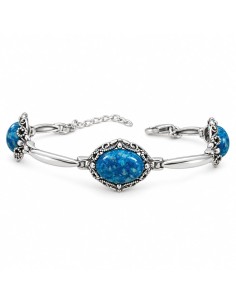
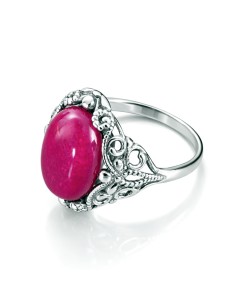
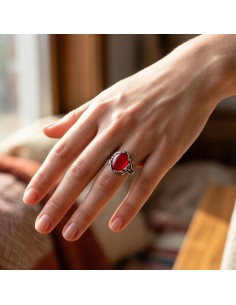
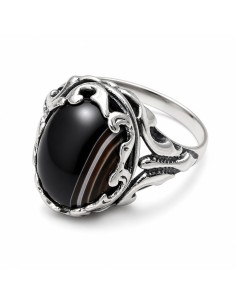
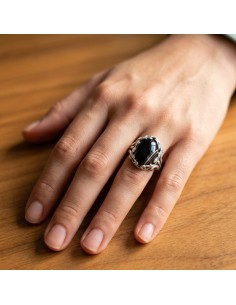
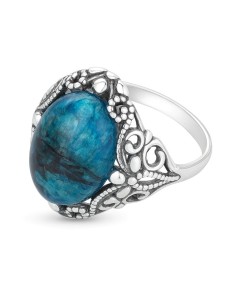
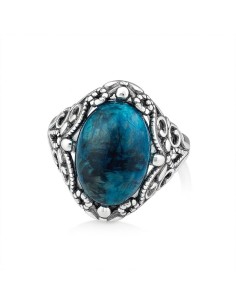
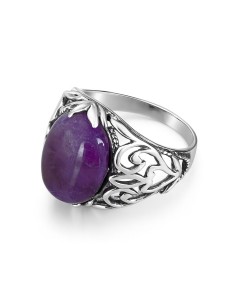
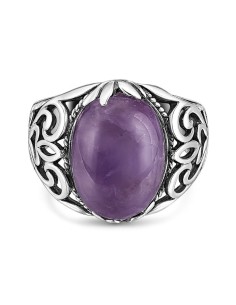
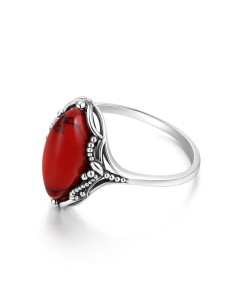
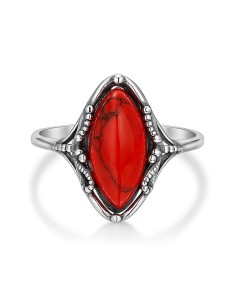
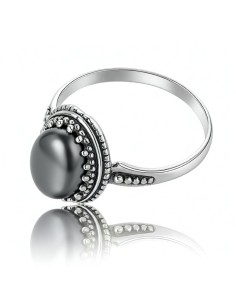
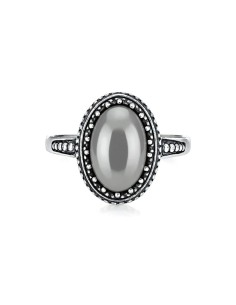
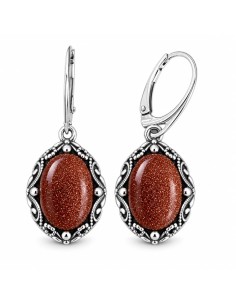
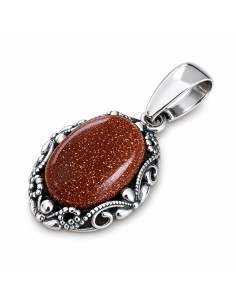
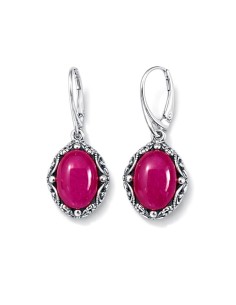
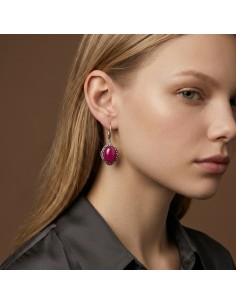
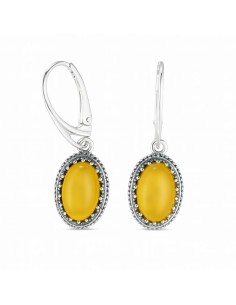
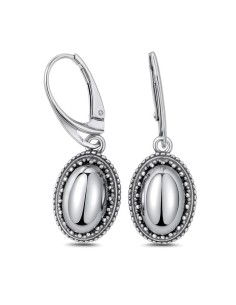
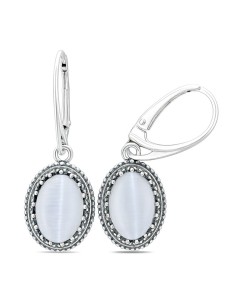
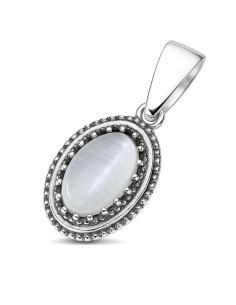
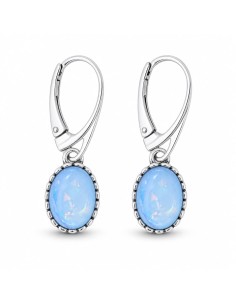
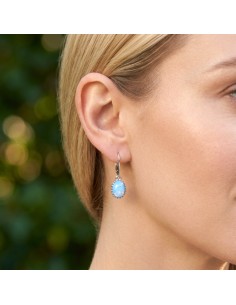
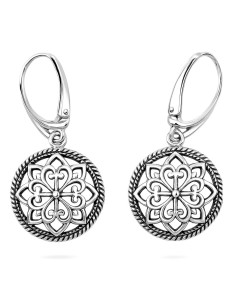
- Oxidized silver with ornament — openwork settings, botanical motifs and cabochons of natural stones such as labradorite, onyx or agate. An elegant choice for any occasion that fits fall and winter trends perfectly.
- Minimalism — smooth silver, simple forms and a single small stone. A stylish, minimalist accessory for work and every day — elegance without excess.
- Boho — larger stones, irregular forms and wearing several pieces at once.
- Retro — designs inspired by classic Polish silver; read more in our article on vintage jewelry from communist-era Poland.
If you’re looking for a gift, handmade earrings, a ring or a bracelet make a great present — for a birthday, an anniversary or Valentine’s Day.
For tips on pairing art jewelry with everyday outfits, see our guide to art jewelry vs everyday jewelry.
Cheat sheet
Before You Buy — Jewelry Checklist
What to check before you buy: a checklist
Handmade jewelry is worth choosing consciously — whether in a workshop, a jewelry store or an online shop. A short checklist makes it easier. Before you add a piece to your cart, check:
- Metal purity — stated clearly in the description, e.g., 925 silver.
- Type of stone — natural, reconstructed or synthetic.
- Dimensions and weight — a close-up photo can be misleading, but measurements aren’t.
- Type of clasp — especially for drop earrings and bracelets; we describe the options in our guide to types of earring backs.
- Return policy — check how long you have to return an online purchase; in the EU, consumers generally have 14 days to withdraw.
- Care instructions — a good workshop will tell you how to look after a specific finish and stone.
How to care for handmade jewelry and keep its character
Silver darkens over time, and a hand-oxidized finish needs gentle handling. Store your jewelry in a closed pouch or box, each piece separately. Take it off for bathing, cleaning and swimming. Clean it with a soft silver cloth and don’t polish oxidized recesses with paste — you’ll remove the intended effect. Read more about finishes in our article on rhodium-plated, oxidized and gold-plated silver.
Hand-finished women’s jewelry from the Polcarat Design workshop
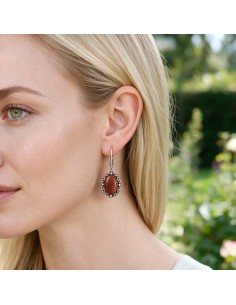
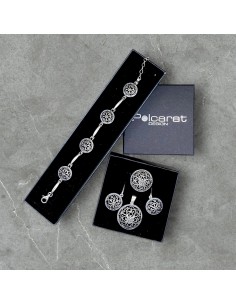
Polcarat Design is a family workshop in Rumia, Poland, where we have been making 925 sterling silver jewelry since 1984. Our designs are cast, and every piece is hand-finished with passion and attention to detail. Our silver jewelry is above all oxidized openwork settings with ornament and cabochons of natural, reconstructed and synthetic stones — we state the type of stone in every product description. Our range includes earrings, rings, bracelets, necklaces and pendants and brooches — carefully chosen stones in silver that help you highlight your own style and add elegance to any outfit.
Handmade jewelry FAQ
What does handmade jewelry mean?
Handmade means “made by hand.” It’s jewelry in which the design, shaping the metal, setting the stones and finishing are carried out by a craftsperson rather than an automated production line.
How is handmade jewelry different from mass-produced jewelry?
Handmade jewelry is made one piece at a time or in short runs and finished by hand, and its materials are described specifically. Mass-produced jewelry means thousands of identical units, often made from cheaper alloys.
Is every piece of handmade jewelry different?
One-off pieces — yes. In short runs the design repeats, but hand finishing and natural stones with varied patterns mean the pieces usually differ in detail.
Is handmade jewelry more expensive?
It usually costs more than mass-produced pieces, because its value includes the craftsperson’s work and carefully chosen materials such as 925 silver and stones. With proper care, it can last for years.
How can I tell if jewelry is handmade?
Check whether the seller names the workshop, the silver purity and the type of stone, look at photos from different angles and pay attention to careful finishing, including on the underside of the piece.
How do I care for handmade silver jewelry?
Store it in a closed pouch, take it off for bathing and cleaning, and clean it with a soft silver cloth. Don’t polish oxidized recesses with paste.
Comments (0)