In short: inherited jewelry from your grandmother or mother is above all a family memory — one you can wear without guilt if it brings you joy. Before you wear a piece for the first time, clean it gently with a method suited to the metal and stones, and have a jeweler check the clasps and settings. Treat superstitions as folk tradition, not rules — you decide when and how to wear family jewelry.
A jewelry box from a dresser drawer, your mother’s ring, a brooch you remember from the family photo album. Inherited jewelry is rarely just about material value — it is something that remembers a loved one’s hands, family holidays and important days. That’s why deciding whether to wear it, refresh it or put it away can be hard, especially when the question comes right after losing someone close. Below you’ll find calm, practical advice: how to care for family pieces, when to take them to a jeweler, where the superstitions come from and how to preserve the story behind them.
Should you wear inherited jewelry from your grandmother and mother?
Yes — if you feel like it. Wearing family jewelry is one of the simplest ways to remember: your grandmother’s ring on your finger or her brooch on your coat lets someone important keep you company on an ordinary day. For many people such a piece becomes a kind of personal talisman, put on before an exam, a wedding or an important conversation. There is no single right way, though, and no one should rush you.
Caring for heirlooms
How to Care for Family Jewelry
SilverLukewarm water with mild soap, a silver polishing cloth
Gold-platedGently only, no abrasive pastes
PearlsA damp cloth, never soak them
AmberNo alcohol, perfume or detergents
StorageSeparate pouches, dry and away from sunlight
HistoryWrite down who wore it and on what occasion
When wearing it feels good
A good sign is a smile, not a lump in your throat, when you pick the piece up. It also helps when:
- it brings back a warm memory — Sunday dinners, the scent of your mother’s perfume or your grandmother getting ready to go out,
- it suits your style — you wear it for yourself, not out of a sense of duty,
- it’s in good condition — the clasp holds and the stones sit securely in their settings.
When it’s better to put it aside for later
If the sight of a family ring brings sadness, anxiety or guilt, don’t force yourself to wear it. Losing someone close is a process, and everyone grieves differently. In a difficult time, it’s enough that the piece is safe in a jewelry box — you can come back to it in a month or in a few years. Putting it aside is also a form of care, not of forgetting.
How to safely refresh family heirlooms
Before you clean anything, find out what the piece is made of. Older pieces often carry a hallmark or a stamped number — we explain what fineness marks such as 925, 875 or 800 mean in our article on silver fineness and its marks. The rule is simple: start with the gentlest method and don’t experiment on the pieces that matter most to you.
The dark tarnish on silver jewelry is a natural reaction between the metal and sulfur in the air, and it can usually be removed. The safest approach is to wash the piece in lukewarm water with a drop of mild dish soap, dry it with a soft cloth and only then polish it. A baking soda and aluminum foil bath works for smooth pieces without stones, but it also strips the deliberate darkening known as oxidation. We describe more methods in our guide how to bring the shine back to tarnished jewelry. Rhodium-plated and gold-plated pieces have a thin coating — if a different color is already showing through, a jeweler can renew it. You’ll find the details in what rhodium plating is and how long it lasts.
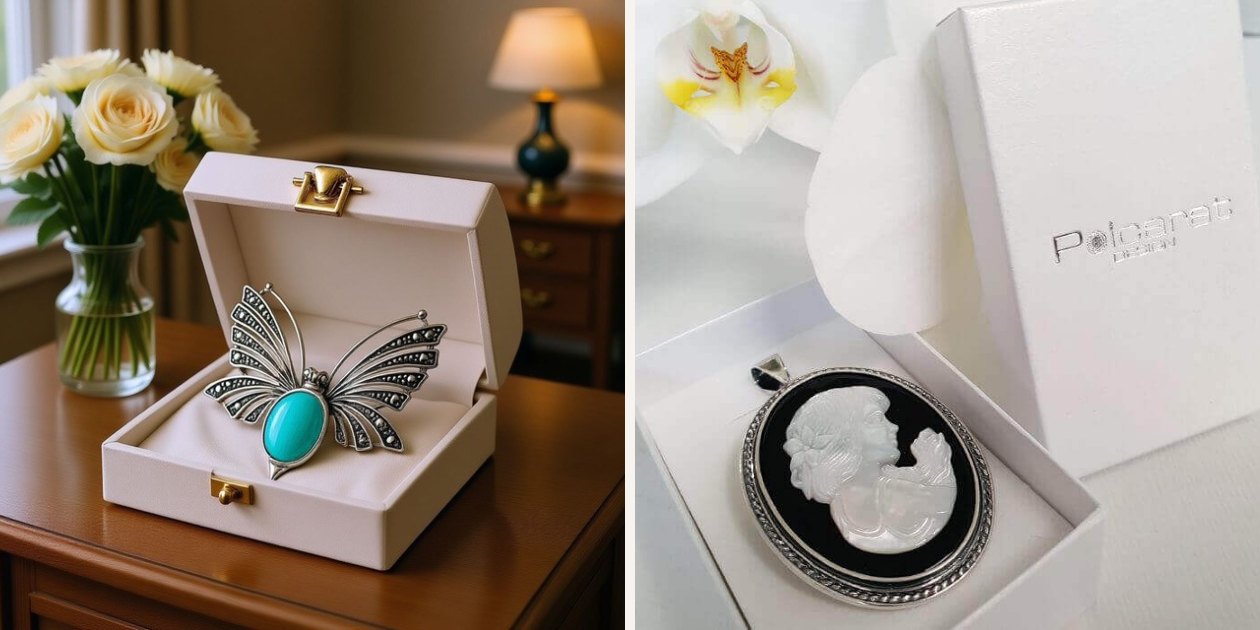
| What the piece is made of | How to refresh it | What to avoid |
|---|
| Silver without stones | lukewarm water with mild soap, a polishing cloth | toothpaste, scouring powders, abrasive sponges |
| Oxidized pieces | soapy water, a gentle wipe over the raised areas | baking soda baths, which remove the darkening |
| Rhodium- and gold-plated pieces | lukewarm soapy water, a soft brush | pastes, baking soda and vigorous polishing |
| Gold | warm soapy water, a soft toothbrush | chlorine and bathroom cleaners |
| Pearls | a wipe with a slightly damp cloth after each wear | soaking, perfume, lotions and hairspray |
| Amber | lukewarm water, drying with a soft cloth | alcohol, hot water and strong sunlight |
One rule applies to all jewelry: put it on last, after lotion and perfume, and take it off before cleaning, bathing and going to bed.
When to take family jewelry to a jeweler
Home cleaning won’t solve everything. It’s worth taking a piece that belonged to your mother or grandmother to a jeweler when:
- a stone moves — a loose setting is a common reason stones get lost,
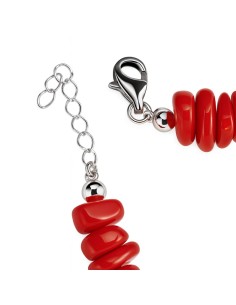
- the clasp doesn’t hold — especially on chains and old necklaces worn for years,
- the size is wrong — a ring or wedding band is too tight or too loose,
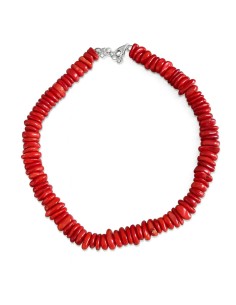
- a strand has stretched — the thread in strands of coral beads or stones stretches and weakens over time,
- you can see damage — cracks, dents or worn links.
Before your visit, photograph the piece from several angles and ask exactly what will be done. For items of great sentimental value, ask for the least invasive repair possible. Sometimes it’s better to leave small signs of wear that are part of the story than to polish the piece back to “new.”
Jewelry of a loved one who has passed: superstitions and folk beliefs
Among the personal belongings of someone who has died, jewelry holds a special place — it often stays in the family for years. No wonder Polish folk tradition has gathered quite a few beliefs around the belongings of the deceased. They’re worth knowing, because we often hear them from older relatives, but you don’t have to follow them — they are folk beliefs, not rules.
- A parent’s wedding band — some say it carries the fate of the marriage: if your parents were happy, it should bring you happiness, too. Others advise against wearing it so as not to “take on” someone else’s fate. Many people wear their mother’s or father’s wedding band on a chain close to the heart rather than on a finger.
- A waiting period — some families set a loved one’s belongings aside for the mourning period and reach for them only once it has passed.
- Passing it on with a kind word — it is believed that a piece given during the owner’s lifetime, with a blessing, brings luck to its new owner.
- The first wearing — some people first perform a symbolic “cleansing”: they wash the piece or put it away for a while. It’s a gesture that helps them come to terms with their emotions.
Similar beliefs surround the stones themselves — you can read where they came from in our article is opal bad luck? Jewelry superstitions explained. If one of them worries you, talk about it with your family. It usually turns out that the belief comes from care, not from an ill omen. What matters most is the feeling with which you put the piece on — wearing it with tenderness is a sign of respect for the person who has passed, not a lack of it.







Comments (0)